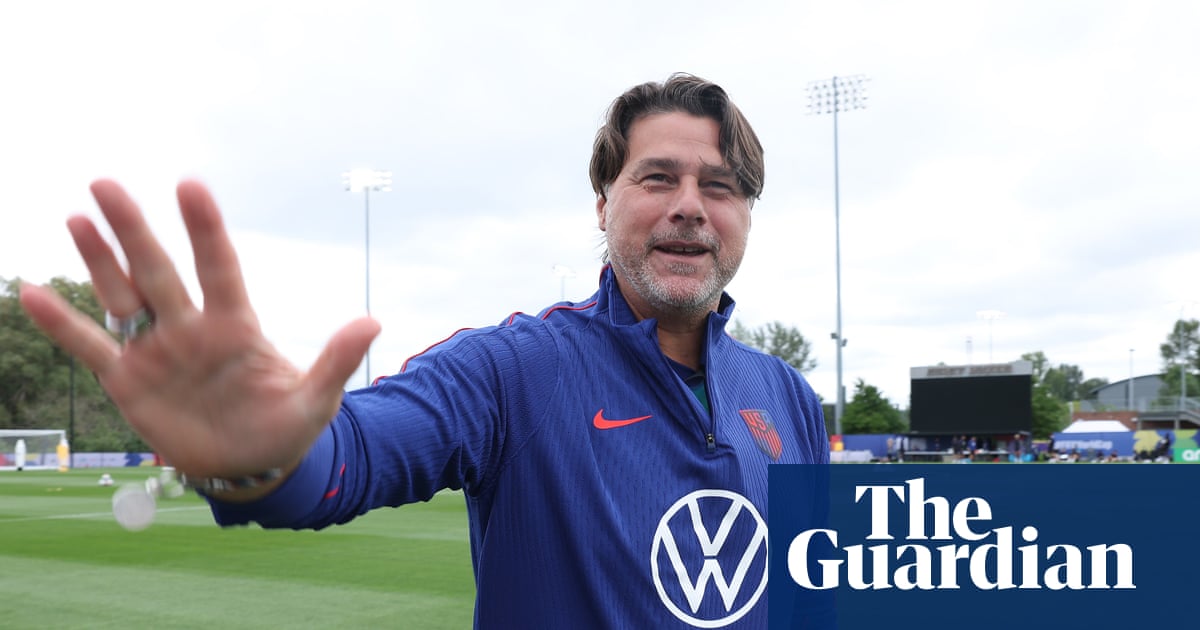
Every six months, another retired Premier League footballer sits before a podcast microphone to detonate an engagement bomb. The headline is engineered to send group chats into overdrive. Some veteran midfielder who survived North London looks at the host and claims that while Mauricio Pochettino and Jose Mourinho were brilliant, another manager was simply levels above both.
You can set your watch by the immediate fallout. Football social media erupts within seconds. Tottenham supporters start posting grainy training clips from 2016, while Chelsea fans fire up spreadsheets debating who left Stamford Bridge in worse shape.
It is the quintessential pub debate. In one corner, you have the romantic Argentine who transformed full-backs into track stars and believed emotional intensity could conquer Europe. In the other, you have the Portuguese siege master who weaponized pure spite to hoard trophies across three decades.
Behind the clickbait headlines lies an undeniable football truth. Players who lived through both regimes experienced the sharpest ideological clash in modern coaching. When those athletes point to a third manager, they are explaining why both men eventually lost their grip on elite football.
Pochettino and the Cult of Exhaustion
To understand why any player ranks another coach higher, look at the physical tax of playing for Mauricio Pochettino. During his peak at Tottenham, his football was an unrelenting physical war. He took a club known for soft midfields and turned them into a pack of pressing monsters.
That 2016-17 Spurs team was a domestic machine. They racked up 86 points, conceded just twenty-six goals, and played breathless football. Kyle Walker and Danny Rose operated like fighter jets on the touchlines, while Moussa Dembele shrugged off challenges like a bouncer at closing time.
However, running at full throttle brings an unavoidable biological bill. Pochettino subjected squads to the brutal Gacon test, a grueling series of interval sprints that left professionals vomiting on the turf. Double training sessions were mandatory, and rest days were treated like moral failures.
By March each season, his squads visibly ran on fumes. Muscle injuries piled up and the high press lost its venom. When Tottenham pulled off that miraculous 3-2 comeback against Ajax in Amsterdam to reach the 2019 Champions League final, they were surviving on pure adrenaline rather than structural control.
Pochettino also hit a glaring tactical ceiling. When opponents sat deep in a compact block and refused to sprint, his whiteboard went blank. He kept bowls of lemons in his office to absorb negative energy, which made fun profile copy but offered zero solutions against a stubborn defense in cup finals.
His spell at Paris Saint-Germain exposed those limitations. You cannot force Lionel Messi, Neymar, and Kylian Mbappe to chase full-backs for ninety minutes through sheer emotional willpower. Without a sophisticated plan in possession, his system disintegrated under pressure.

Mourinho and the Curdled Siege Mentality
Then came the polar opposite. When Daniel Levy sacked Pochettino in November 2019, he panicked and hired Jose Mourinho twelve hours later. Levy traded an idealistic developer for a mercenary winner, assuming trophies would magically follow.
In 2005, Mourinho was an untouchable tactical pioneer. His first Chelsea team conceded only fifteen league goals, setting a defensive benchmark that still stands. He was the master of low-block transitions, psychological manipulation, and grinding out results through collective paranoia.
By 2020, that playbook was collecting dust. Modern elite football had evolved into an obsession with positional rotations, synchronized passing lanes, and high-wire pressing traps. Mourinho offered none of those innovations.
His attacking strategy at Tottenham amounted to hoping Harry Kane and Son Heung-min produced magic on the counter. If those two did not manufacture brilliance, Spurs looked completely clueless in possession. They routinely sat on one-goal leads against relegation candidates, invited endless pressure, and conceded late equalizers.
Worse than the negative football was the locker room atmosphere. Mourinho manages through conflict, seeking scapegoats to deflect from his tactical stagnation. He publicly humiliated Tanguy Ndombele after the club spent £54 million to secure his signature.
He froze out Dele Alli, turned defenders against each other, and questioned the squad's desire after every dropped point. By the time Levy sacked him six days before the 2021 Carabao Cup final, the dressing room was exhausted by the drama. Playing under Mourinho felt like living in a bunker waiting for the roof to collapse.
The Tactical Masters Who Surpassed Both
This brings us to the third manager who clears both men. While podcast clips keep the name vague for social media traffic, players across these regimes point to a distinct profile. You do not have to search far to find coaches who mastered what Poch and Jose failed to balance.
Take Ander Herrera, who battled for Mourinho at Manchester United before playing under Pochettino in Paris. Herrera spent formative years at Athletic Bilbao under Marcelo Bielsa. Bielsa gave players the pressing intensity that Pochettino inherited, but paired it with microscopic detail on ball movement that Pochettino never replicated.
Then consider players who worked under Carlo Ancelotti. Ancelotti is the serene anti-Mourinho. He does not wage public feuds with players, nor does he run squads into the medical room.
Ancelotti wins European crowns by granting elite footballers freedom inside an intelligent framework. He trusts his stars, adjusts tactics quietly, and creates an environment where players perform with absolute confidence. That is why superstars speak about him with genuine affection rather than lingering fatigue.
And then there is Pep Guardiola. Guardiola took the high press that Pochettino popularized and gave it mathematical order. Under Guardiola, players do not press out of raw emotion; they press because every man already stands in the correct corridor to cut off the escape route.
Guardiola solved the riddle that broke Pochettino's teams. He proved that you can dominate possession, squeeze opponents into their box, and win trophies without shredding hamstrings by November. For any player experiencing both styles, the tactical gap is night and day.
How the Philosophy Shifted
The contrast between these coaching eras explains why modern player recruitment and tactical management underwent a massive revolution. Modern athletes crave sustainable structure rather than emotional extremes:
- The Physical Taskmaster: Demands total physical sacrifice, burns through player durability, and struggles to break down disciplined defensive blocks.
- The Reactive Siege Commander: Prioritizes defensive rigidity, relies on individual counter-attacks, and poisons team harmony through blame culture.
- The Complete Modern Architect: Builds repeatable passing automatisms, manages physical loads scientifically, and creates a culture of tactical empowerment rather than fear.
The Final Verdict from the Sports Bar
Footballers are not foolish. They know when a coach is masking tactical gaps with emotional speeches, and they know when a manager uses them as shields to protect his legacy. That is why these honest assessments surface on podcasts.
Pochettino gave his squads belief and relentless energy, but could never guide them over the finish line. Mourinho taught players how to be cynical, but his methods left fractured dressing rooms and broken confidence. Both men shaped memorable eras, but neither mastered the complete puzzle.
The manager who was better than both treated footballers as tactical instruments rather than pack mules or siege weapons. When an ex-pro claims a third coach was superior, believe him. Running until you vomit and picking fights will win headlines, but genuine tactical mastery wins history.