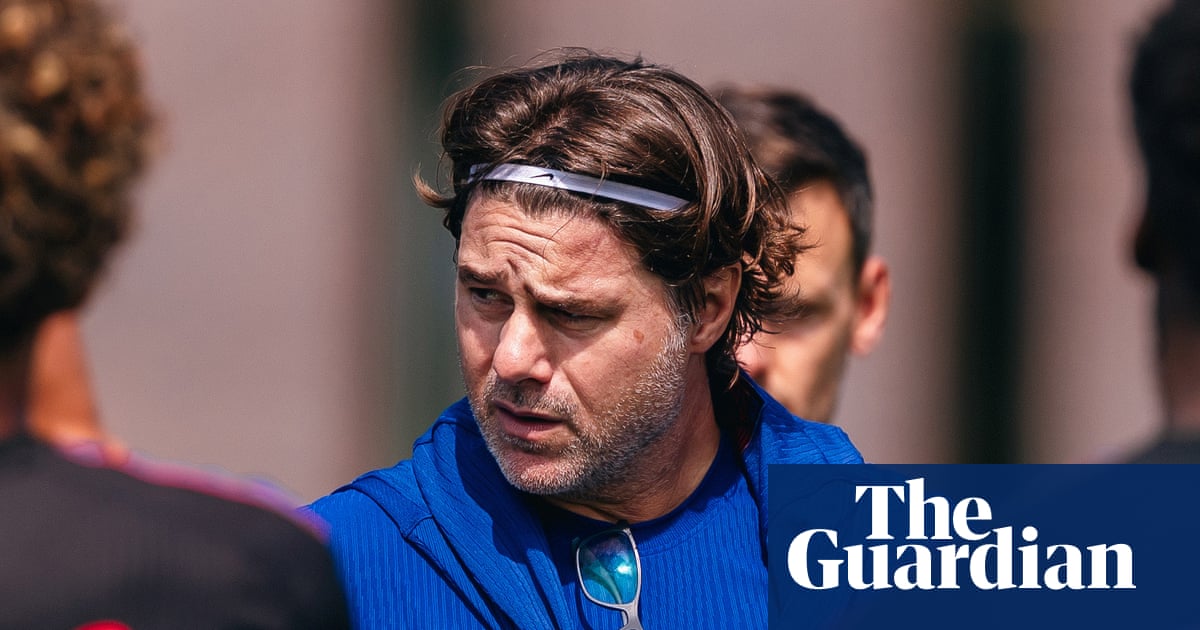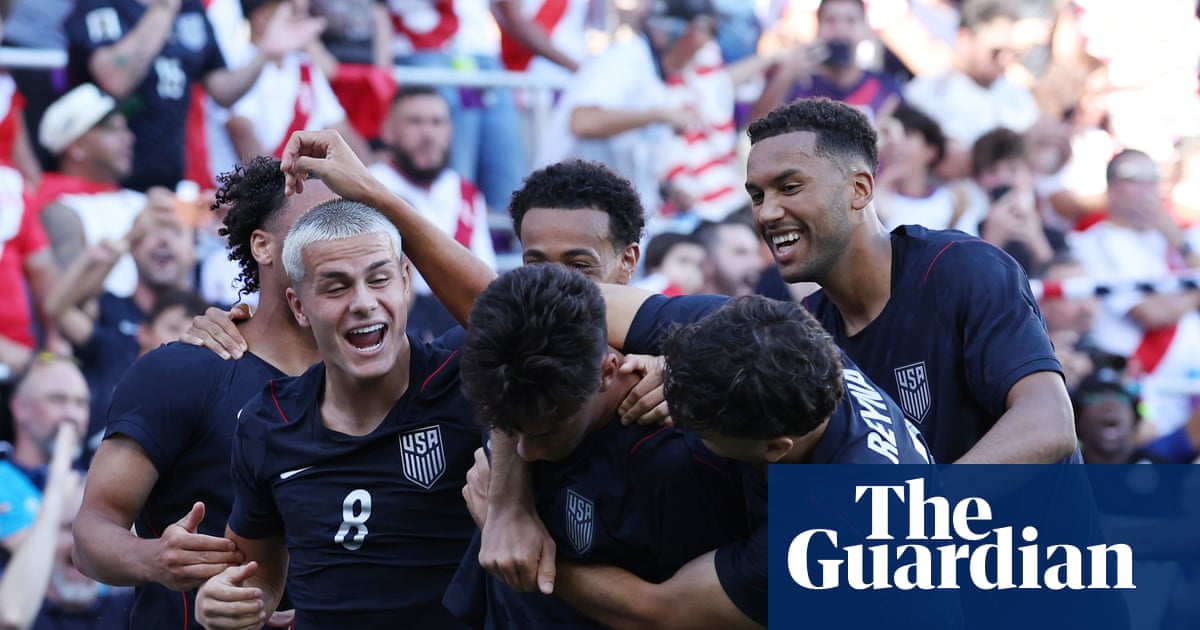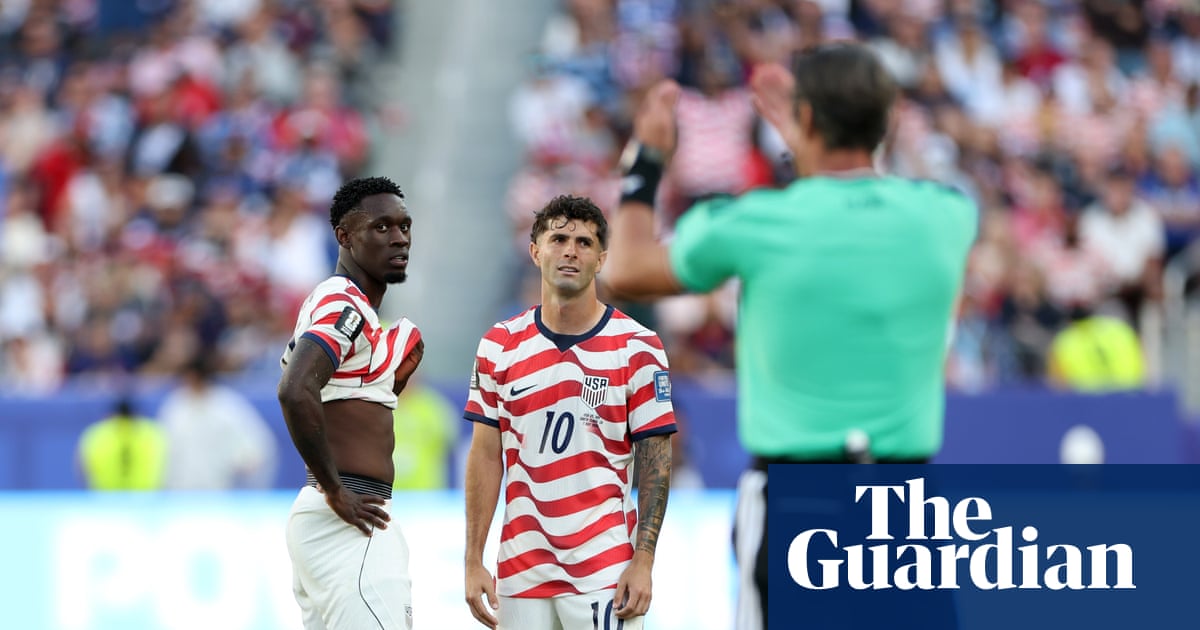
The US Men’s National Team is through to the World Cup Round of 16 after a wild 2-0 victory over Bosnia and Herzegovina on Wednesday, but head coach Mauricio Pochettino faces an immediate crisis. Folarin Balogun, the star striker who scored the opening goal at San Francisco Bay Area Stadium, was shown a straight red card in the second half, as The Guardian reported. The suspension is final, and US Soccer confirmed after the match that it cannot be appealed.
Balogun’s absence casts a shadow over the biggest US men's soccer victory in a generation. The Monaco forward is the offensive engine of this team, scoring three goals in the tournament. Now, Pochettino has less than five days to rebuild his attack before Monday’s clash with Belgium.
The Red Card Controversy
The match turned on a controversial decision in the 70th minute. Balogun went in for a 50/50 challenge with Bosnian defender Tarik Muharemović at the edge of the penalty area. As Balogun went to ground, his right foot planted on Muharemović’s ankle. Referee Raphael Claus originally seemed unfazed but was summoned to the monitor by the VAR team.
After reviewing the slow-motion footage, Claus brandished a straight red card for violent conduct. The decision stunned the US bench and the crowd of over 60,000 fans. Balogun, who had celebrated his goal with LeBron James's famous "Silencer" gesture, walked off the pitch with his head bowed, kicking a wall as he headed down the tunnel.
Former English Premier League referee Mark Clattenburg, speaking on the broadcast, criticized the decision. Clattenburg argued that the VAR team should never have intervened because the incident was an accident, not violent conduct.
“When you watch it in real time, you don’t see the ankle twist,” Clattenburg said. “It’s just that accident, as Balogun puts his foot down, he catches underneath his opponent’s foot. This is just an accident. It happens. You can see he’s upset by it. This doesn’t meet, for me, the criteria of a red card, and it certainly is going to change the course of the game.”
Clattenburg's analysis highlights a growing problem with VAR. By slowing contact to static frames, referees penalize the look of a challenge rather than intent. The contact was real, but there was no malicious intent from Balogun.
US midfielder Tyler Adams echoed these frustrations in the mixed zone, though he tried to avoid a fine from FIFA officials. Adams suggested that Claus should have stuck with a yellow card at most.
“You’re asking the wrong person with how I tackle,” Adams said, laughing. “I mean, I think it’s a yellow card. I think when you slow everything down, it is always going to look worse. I don’t want to say too much.”
Adams’ response was diplomatic, but his frustration was obvious. Losing the team's most potent attacker changes the entire tactical plan. The US spent the final twenty minutes defending in a low block, relying on a late Malik Tillman free-kick to seal the win.
Pochettino Blasts Referee Decisions
In his post-match press conference, a frustrated Mauricio Pochettino was direct in his assessment of the refereeing. The Argentine manager defended Balogun and criticized the referee's overall performance during the match.
“For me it is never a red card,” Pochettino said. “Watching after on TV, it was never the intention to step on the player. That was a normal action in football that happened by accident and was never intentional. That is why for me it is never a red card. I think today the 50/50 decisions were not good for us.”
Pochettino’s anger is justified given Balogun's importance. The striker's movement and finishing are the difference between a mediocre attack and a genuine threat. Without him, the US attack looks pedestrian and lacks verticality.
The manager also shared details about Balogun’s reaction in the dressing room. According to Pochettino, the young forward was devastated by the decision and the realization that his World Cup campaign might be over.
“He is disappointed, very disappointed,” said Pochettino. “Because it wasn’t intentional and he’s said. He is also happy because we qualified – but disappointed and sad because it was not his intention and we [can’t do anything] to change that feeling. But that is soccer, that is football and he needs to understand that these types of situations happen.”
Pochettino’s job now is psychological as much as it is tactical. He must lift a young squad that is celebrating a historic milestone but mourning the loss of their leader. The team cannot afford to carry this disappointment into the match against Belgium.
The Citizenship Context and US History
Balogun’s path to the US national team is unique, but the timing of Wednesday’s match added political irony. The game took place one day after the United States Supreme Court upheld birthright citizenship, rejecting executive challenges to the constitutional law.
As The Guardian's detailed background highlights, Balogun was born in Brooklyn in 2001 while his parents were visiting from London. His mother tried to fly back at seven months pregnant, but the airline barred her. The resulting birth on US soil granted Balogun the citizenship that allowed him to choose the US over England and Nigeria. Without it, he would not have been on the pitch on Wednesday.
Instead, Balogun entered the record books in a far more painful way. He is now the fifth American player to be sent off in a World Cup match, joining a notorious list of US soccer history.
The list of US players sent off in World Cup history includes:
- Eric Wynalda against Czechoslovakia in 1990
- Fernando Clavijo against Brazil in 1994
- Eddie Pope against Italy in 2006
- Pablo Mastroeni against Italy in 2006
Balogun is the first US player to receive a red card in two decades. This lack of discipline has historically cost the US team in knockout rounds, and history threatens to repeat itself on Monday.
Pochettino's Tactical Headaches for Monday
With Balogun officially out, Pochettino faces the most consequential selection decision of his tenure. He must choose between PSV Eindhoven forward Ricardo Pepi and Coventry City’s Haji Wright to lead the line against Belgium.
Pepi was subbed on for just two minutes on Wednesday, a clear sign that Pochettino did not want to disrupt the defensive shape. Pepi offers a traditional target-man profile, but he lacks the electric pace and pressing ability that Balogun provides. Wright offers more physical presence on the wing but is less refined in his central runs.
Pochettino was tight-lipped when asked about his plans for the Belgian defense, which will present a much tougher physical challenge than Bosnia.
“We will have different options,” Pochettino said. “We’ll have to see which one we take.”
Pepi has scored key goals off the bench, but starting a World Cup Round of 16 match is a different pressure. Whoever Pochettino selects, the US will have to alter their build-up play. The transition offense will need to be completely restructured.
The US achieved their first knockout victory in 24 years, but the locker room feels like a funeral. Without their star striker, Monday's match in Belgium will be an uphill battle.
Read Next
- Folarin Balogun just handed Mauricio Pochettino a massive World Cup nightmare
- Pochettino must solve the Balogun puzzle before USA face Belgium in Seattle
- Folarin Balogun's brain fade leaves USMNT short and Sassuolo scrambling
- Pochettino's asymmetric system is already suffocating Bosnia
- 🏆 World Cup 2026 — Full Coverage Hub
- 🇺🇸 USMNT World Cup 2026 — Team USA Coverage Hub
- 🇧🇪 Belgium World Cup 2026 — Red Devils Hub
- ⚽ MLS 2026 Season Hub — World Cup Year Guide