The Trap of the Tense Group Stage
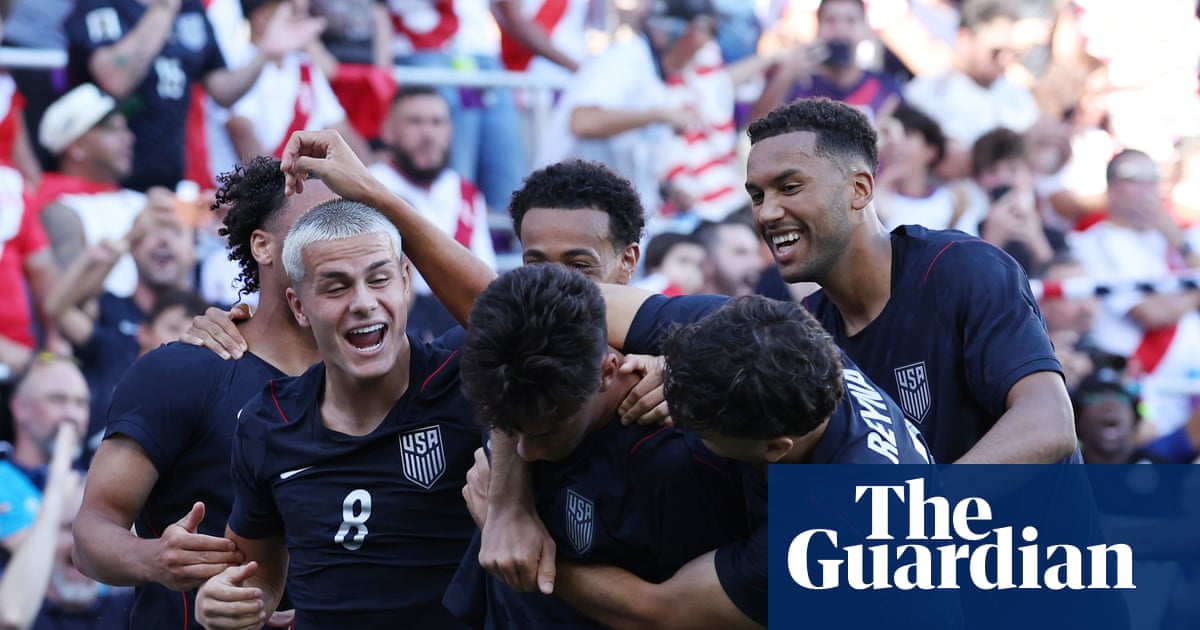
The World Cup knockout rounds do not care about your long-term project. For Mauricio Pochettino and the USMNT, tonight’s round-of-32 clash at Levi's Stadium is a sudden, sharp reality check. After three group matches that oscillated between dominant transitions and defensive collapses, the tournament has arrived at its first point of no return.
The group stage was technically a success, but the performance levels tell a more complicated story. The U.S. topped Group D with six points, but the final match was a jarring reminder of how quickly their defensive structure can dissolve. A rotated side fell 3-2 to an already eliminated Türkiye, prompting a post-match press conference that felt more like an interrogation than a celebration.
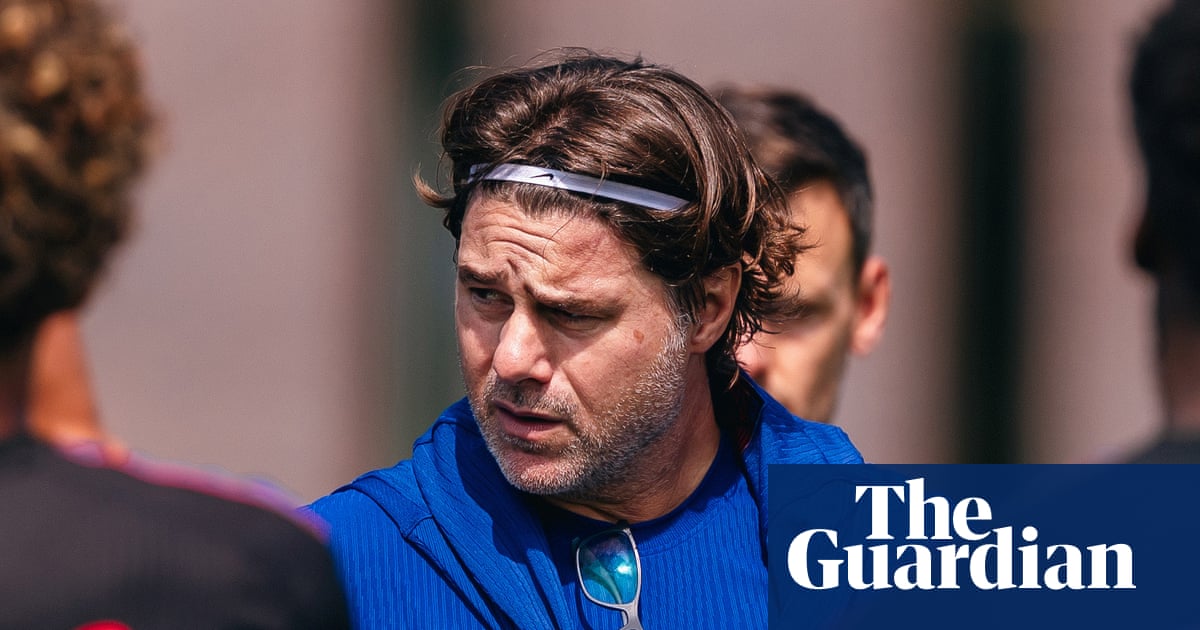
Pochettino was visibly annoyed by the local media's focus on the defeat rather than the group victory. He fired back, pointing out that his team had achieved their primary objective. Yet, the defensive vulnerabilities exposed at SoFi Stadium cannot be ignored as we head into the knockouts.
To understand where this team stands, we must look back to the opening match in Los Angeles on June 12. The 4-1 victory over Paraguay looked comfortable on the scoreboard, but it was aided by a Damian Bobadilla own goal in the 7th minute. Folarin Balogun’s double before halftime showed the vertical potential of Pochettino's central midfield passing lanes.
Weston McKennie’s ability to find Balogun in the half-spaces was the catalyst for their offensive production. However, Paraguay still managed to generate 11 shots and pull one back through Mauricio in the 73rd minute. The U.S. midfield block frequently failed to track runners from deep, a recurring issue that reappeared against Türkiye.
Against Australia in Seattle on June 19, Pochettino adjusted his shape to a 3-5-2, aiming for more control in wide areas. The wing-backs, Sergiño Dest and Antonee Robinson, pushed high to pin Australia's back five. The result was a 2-0 win, though the opening goal was another defensive mishap from the opponent, a Cameron Burgess own goal in the 11th minute.
Alex Freeman’s header from a Malik Tillman corner in the 43rd minute sealed the points. Statistically, it was a dominant display as the U.S. limited the Socceroos to very little threat. But the lack of fluid open-play creation remained a persistent criticism among analysts.
Then came the collapse against Türkiye on June 25. The U.S. conceded 1.84 expected goals (xG), their highest mark under Pochettino in a competitive match. Arda Güler’s 10th-minute opener exposed the spacing issues between Chris Richards and Tim Ream.
Barış Alper Yılmaz added a second in the 31st minute by exploiting the space left behind Sergiño Dest. McKennie’s passing accuracy in the final third dropped from 84% against Australia to 61% against Türkiye. While Auston Trusty and Sebastian Berhalter scored to keep the U.S. close, Kaan Ayhan’s 98th-minute winner was a direct result of transition failure.
The Vibes Deficit and the Turkey Tapes
This brings us to the core issue of Pochettino's tenure: the vibes. As Leander Schaerlaeckens argued in The Guardian, the USMNT job is fundamentally different from European club football. It is an environment where narrative and public engagement are almost as important as tactical periodization.
Pochettino diagnosed a "vibes deficiency" within the squad during the 2025 Nations League campaign. After listless losses to Panama and Canada, he realized the team was playing without joy or intensity. The transition from Gregg Berhalter’s rigid possession model to a more fluid, high-pressing approach required a mental reset.
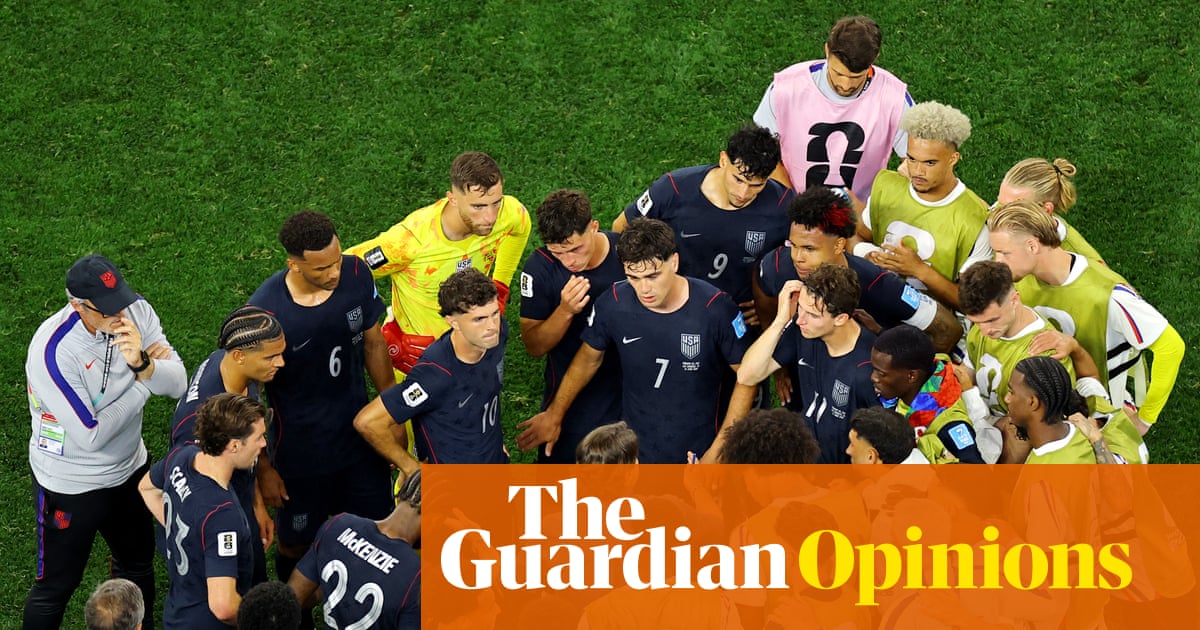
The press conference after the Türkiye defeat highlighted this tension. When questioned about the defensive errors, Pochettino responded with a dry, sarcastic retort.
maybe the vibes are like we go home tonight and Turkey stays, no?
It was a defensive response from a manager who knows the margin for error is gone. In the attention economy of American sports, the World Cup is a fleeting window. A defeat tonight would send the bandwagon fans packing and plunge the program back into familiar cynicism.
To keep the casual crowd engaged, the U.S. needs more than just a win. They need to display a level of dominance that justifies the pre-tournament hype. That begins with solving the tactical problems that have plagued them in defensive transitions.
Tactical Blueprint: Breaking Sergej Barbarez's Block
Tonight's opponent, Bosnia and Herzegovina, will not offer any gifts. Sergej Barbarez has organized his side into a stubborn defensive unit. They reached the Round of 32 by surviving a tough Group B, drawing 1-1 with Canada and beating Qatar 3-1.
Their only major slip was a 4-1 defeat to Switzerland, where they were overrun in the wide areas. Barbarez will almost certainly employ a low-block 5-4-1 formation tonight. The goal will be to deny Folarin Balogun space to run in behind and force the U.S. to play through the flanks.
The tactical battle will hinge on how the U.S. handles Bosnia's defensive transition. Sead Kolašinac and Nikola Katić are physical defenders who excel in aerial duels. If the U.S. relies on cross after cross into the box, Bosnia's back three will clear them all day.
Pochettino must focus on three tactical adjustments to break down this block:
- Central overloads in the half-spaces to drag Bosnia's wing-backs out of position.
- Aggressive counter-pressing triggers from Tyler Adams to prevent long balls to Edin Džeko.
- Dynamic vertical runs from deep by Weston McKennie to bypass the midfield line.
Malik Tillman and Giovanni Reyna must operate in the pockets of space between Bosnia's midfield and defensive lines. If they can turn and face the goal, they can slide passes through for Balogun and Ricardo Pepi. This requires quick, one-touch passing rather than slow lateral circulation.
We must also watch the movement of Edin Džeko. The veteran forward remains a major threat at 40 years old. His hold-up play against Qatar was masterclass, allowing Ermedin Demirović to run off him into the channels.
Chris Richards will have the primary responsibility of marking Džeko. Richards has struggled with physical target men in the past, and he cannot afford to get rolled. If Džeko is allowed to win first contacts, players like Benjamin Tahirović will pick up the second balls.
The U.S. midfield must show better discipline than they did against Türkiye. Tyler Adams will return to the starting lineup to provide screening in front of the back three. His presence is vital for stopping Bosnia's counter-attacks before they start.
Weston McKennie will have to balance his forward runs with defensive duties. When McKennie vacates his zone, the U.S. can look incredibly vulnerable on the counter. The spacing between Adams and McKennie will dictate the rhythm of the match.
There is also the question of the goalkeeper. Matt Freese got the start against Australia, but his positioning on Türkiye's goals was questionable. Pochettino has a decision to make between Freese and Matt Turner for the knockout stages.
A mistake in goal tonight will be fatal. Bosnia's shot map against Qatar showed a heavy concentration in the six-yard box, but they struggle to generate shots from distance. Against Qatar, they converted three of their five shots on target.
The pressure on this U.S. team is immense. The tournament is being hosted on home soil, and the expectations are sky-high. A Round of 32 exit to Bosnia would be viewed as an absolute disaster.
Yet, this pressure can also be fuel. If the U.S. can score early, they will force Bosnia to abandon their low block. Once Barbarez's side has to chase the game, the space will open up for Balogun and Reyna to exploit.
We saw this in the Paraguay match, where the U.S. was devastating once the game became stretched. The transition threat of this team is elite when they have room to run. The challenge is creating that room against a team designed to deny it.
Pochettino's system relies on intense counter-pressing to win the ball back high up the pitch. If the U.S. press is disjointed, Bosnia will play long balls to Džeko to bypass it entirely. The distance between the U.S. attack and defense must remain compact.
This is the tactical puzzle that Pochettino must solve. He came to the U.S. to prove he could build a team capable of competing at the highest level. Tonight is the first real test of that promise.
The U.S. has the superior talent, but tournament football is about execution under pressure. Bosnia will fight for every second ball and try to make the game as ugly as possible. The U.S. must match that physical intensity while retaining their technical composure.
The Prediction
My prediction is a tense, tactical match that will test the patience of the crowd. The U.S. will dominate possession, but they will find it difficult to break down Bosnia's back line in the first half. The breakthrough will come from a moment of individual brilliance in the second half.
Giovanni Reyna’s ability to unlock tight spaces will be the difference-maker. Expect a close 2-1 victory for the U.S. after some nervous late moments. The journey continues, but the vibes will need to improve if they want to go much further.
Read Next
- Pochettino's vibes-based USMNT face a defining test in Santa Clara
- The tactical trap waiting for the USMNT in Santa Clara
- Top 10: Top Moments of the 2026 World Cup's Opening Weeks
- Why Morocco vs Paraguay will be a brutal chess match in the Round of 16
- 🏆 World Cup 2026 — Full Coverage Hub
- 🇧🇦 Bosnia & Herzegovina at the 2026 World Cup — Full Coverage Hub