The blank slate of Nauru
In a global game where every grass patch from the Faroe Islands to tiny Pacific atolls has been mapped by scouts and governed by FIFA, Nauru stands as a statistical anomaly. It is the only sovereign nation on Earth that has never fielded an official international football team. For the average observer, this represents a void; for the local sporting enthusiast, it is a blank canvas.
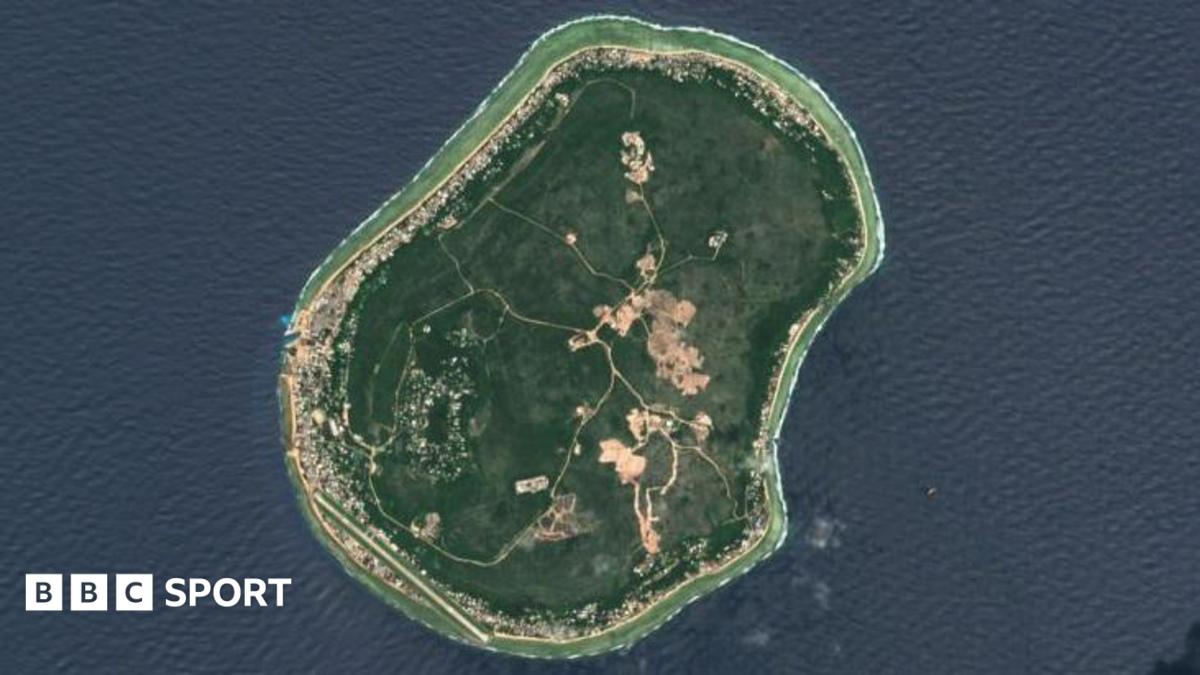
Reports suggest a push to establish a formal federation, though the logistical hurdles are immense. Nauru has a surface area of only 21 square kilometres and a population under 13,000. Scaling a professional operation requires more than just enthusiasm; it requires a viable pitch surface and a competitive league structure, neither of which currently exists in a formal capacity.
Tactical development from zero
How do you build a team when nobody plays the game professionally? In regions like the Oceania Football Confederation, the standard of play is typically dictated by physical endurance and direct, vertical transitions. If Nauru chooses to join this confederation, they won't have the luxury of slow-building from the back like a European side. They will need to identify athletic talent from other local sports—primarily Australian Rules Football—to even stand a chance at maintaining possession.
Training sessions would need to focus on fundamental technical work. With no heritage to rely on, the coaching staff will have to implement a rigid, zonal defensive structure to compensate for a likely lack of experience. Watching a team construct its identity match-by-match is a rare treat, but the risk of being on the wrong end of a 20-0 scoreline in a tournament like the Pacific Mini Games is high.
The infrastructure reality check
Journalistic curiosity often overlooks the harsh reality of resource management. As the BBC recently highlighted, Nauru’s lack of football heritage is not a lack of interest, but a lack of space. Developing a pitch in a nation dominated by phosphate mining history is an engineering challenge that requires significant investment.
We must also look at how this changes the regional map. Similar to the tactical shifts seen in other small-state football stories, the temptation will be to hire external consultants. That path rarely yields sustainable growth. If Nauru wants to play, they need to prioritize local coach education over high-profile vanity signings or short-term recruitment drives.
A prediction for the arrival
I anticipate that if Nauru manages to field a side within the next two years, they will operate as a pure 4-4-2 defensive block. Expect a low block and a reliance on set pieces, not because it is tactically sophisticated, but because it is the only way to shorten a match against superior opposition. They will likely lose their first five matches by an average of 4.5 goals. It will be ugly, poorly spaced, and entirely necessary if they want to join the international fold.