How Luis de la Fuente flipped the script
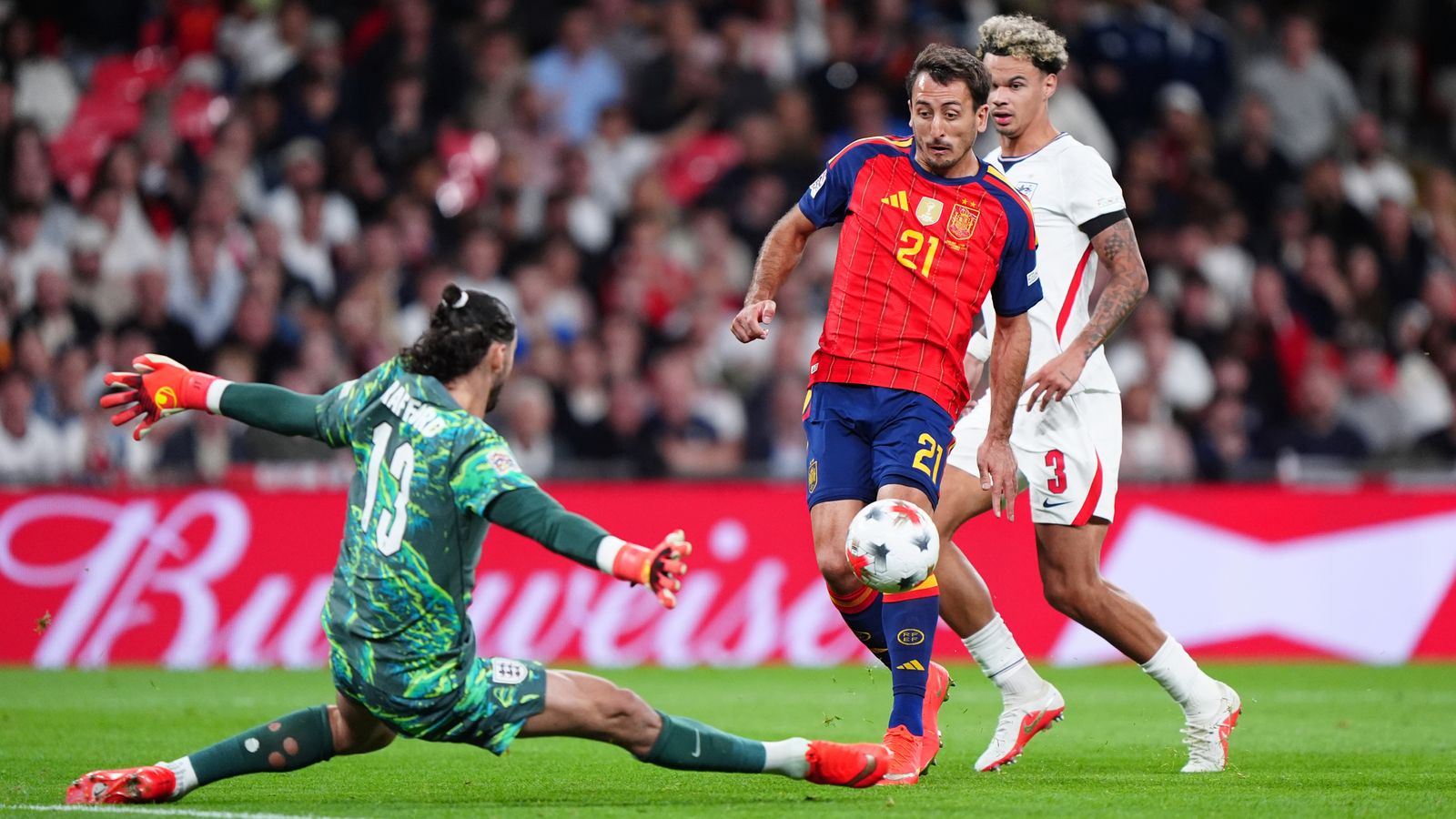
Sunday’s World Cup final featured a tactical austerity from Spain that would have been dismissed as heresy a decade ago. While the nation’s DNA remains tied to ball retention, this side has learned the value of verticality. The 118th-minute breakthrough came not from a twenty-pass sequence, but from a direct, abrasive transition triggered from the sideline.
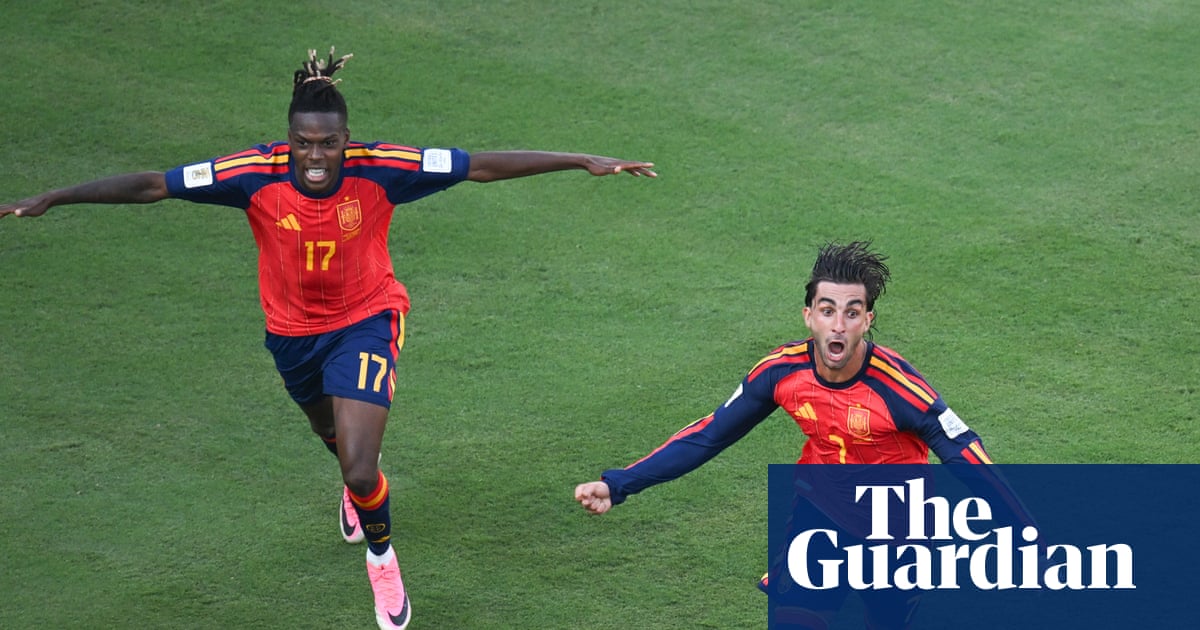
Luis de la Fuente identified the fatigue in Argentina’s defensive block early. By introducing Nico Williams and Ferran Torres, he provided a specific kind of physical profile that defenders cannot replicate in the dying embers of extra time. The goal was 1-0, a narrow margin that masked the structural shift implemented mid-match.
The mechanism of the final blow
The movement patterns were deliberate. Williams anchored the left flank, forcing the Argentine backline to expand their horizontal coverage. This created the necessary vacuum for Torres to drag his marker out of the central channel.
Watching the World Cup winning goal closely reveals the breakdown in communication between the Argentine fullbacks. When Williams carried the ball into the half-space at the 117-minute mark, the pressing trigger failed. Argentina retreated rather than shifting, granting Spain the space required to execute a precise final ball.
Flaws in the winning machine
Despite the trophy, not every tactical choice succeeded. Spain’s reliance on ball-playing midfielders left them vulnerable to the counter-press for much of the first half. In the 34th minute, Argentina generated an xG of 0.45 from a single turnover in the middle third.
Had the opposition been more clinical, the final could have tilted in the other direction. Spain often commits too many bodies forward during sustained possession, leaving their holding midfielders isolated. There were three distinct moments where a direct Argentine outlet pass bypassed the entire Spanish midfield, exposing their two center-backs.
Why this squad avoids the rot of the gold generation
Previous iterations of this Spanish team suffered from an obsession with aesthetics. This 2026 team prioritizes function over form. Their ability to bench established stars for the sake of specific tactical needs shows a level of maturity that was lacking in 2014 and 2018.
The integration of youth into a pre-existing defensive structure has been masterfully handled. By maintaining a 62 percent average possession rate while increasing their progressive pass frequency, they have achieved a high-wire balance. This is not a team of poets; it is a team of machines programmed to identify the exact weakness of an opponent.
Predicting the new era
Spain is now the team to beat for the next four years. Their depth chart is arguably the deepest on the continent. With younger profiles like Williams hitting their prime years concurrently with established leaders, the drop-off in talent is non-existent.
Expect this team to remain at the summit through the next qualification cycle. They are disciplined, tactically fluid, and ruthless when the transition presents itself. I predict they will dominate European qualifying with a winning percentage above 85% between now and their next major tournament outing. They aren't just winning games; they are proving that modern football is won in the margins of substitution and spatial awareness.
Read Next
- Nico Williams nursing high-grade ankle sprain following World Cup win
- Spain’s golden generation isn't slowing down after the Argentina triumph
- Spain’s World Cup triumph highlights a tactical shift in possession play
- Argentina's World Cup final collapse was written in the numbers
- 🇪🇸 Spain World Cup 2026 — La Roja Hub