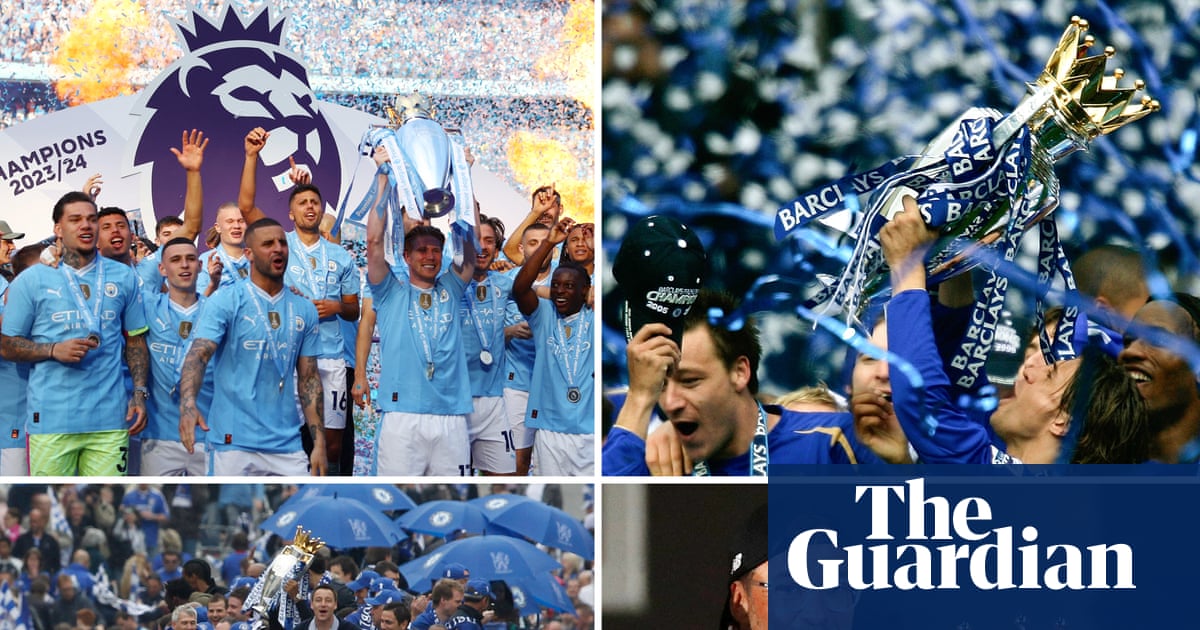
The shadow of the Guardiola era
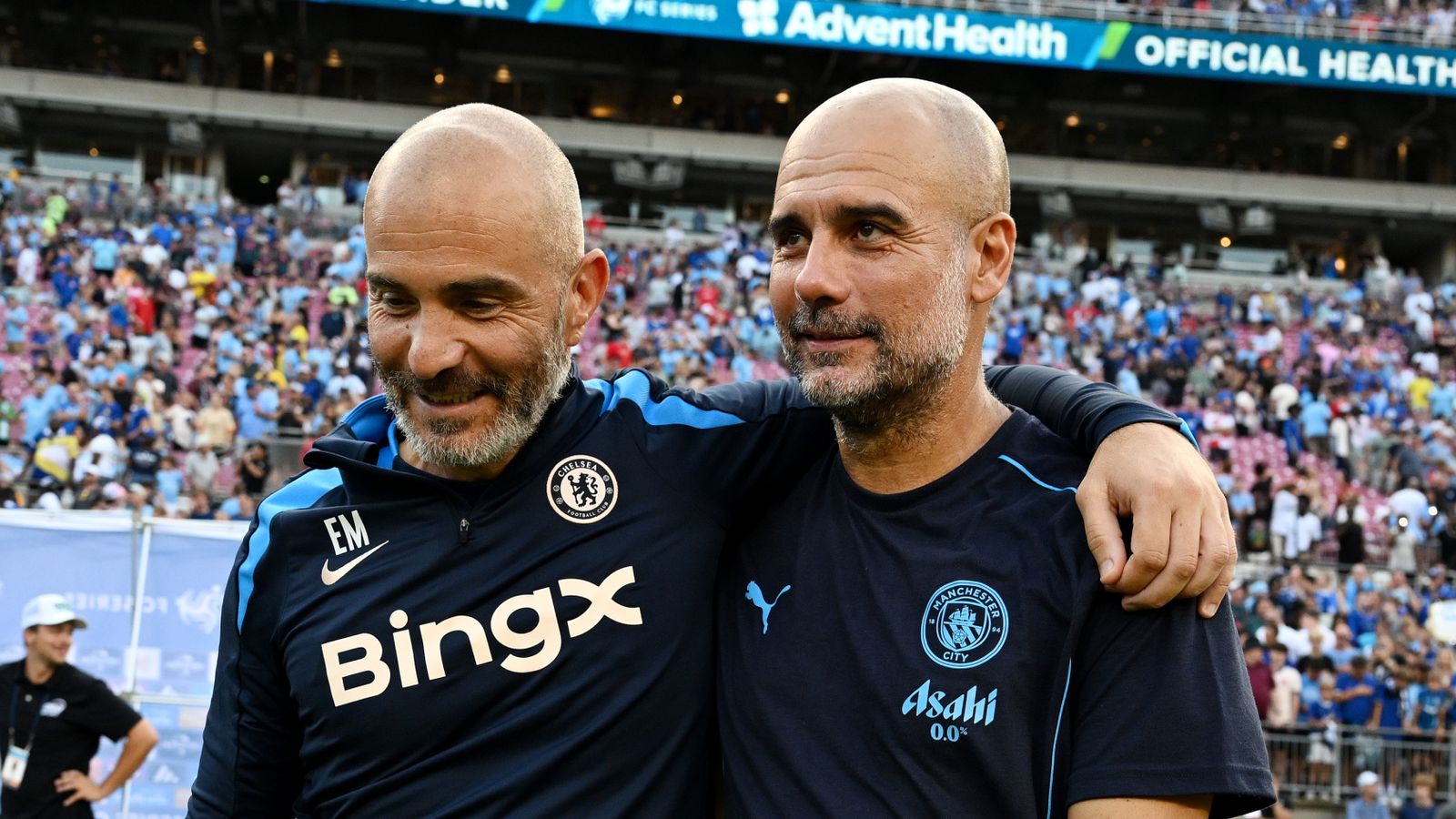
Stepping into the dugout at the Etihad is no longer just a management role; it is an exercise in managing a museum of past glories. Enzo Maresca returns to Manchester City not to innovate, but to maintain a machine that has forgotten how to be anything other than perfect. As Sky Sports noted, the scale of this task is heavily impacted by the club's rigid identity. Expecting a successor to replicate a decade of singular dominance is a recipe for tactical paralysis.
The defensive regression risk
Maresca’s track record involves a heavy reliance on high-possession structures that leave the backline isolated during transitions. At City, the defensive line is built on the premise of absolute pressure in the final third. When that pressing trigger fails—or when opposition midfielders bypass the first wave—the gap between the back four and the holding pivot widens significantly.
We saw this vulnerability in his previous tactical setups where the inverted full-back roles often left center-backs in 1v1 situations. If he forces this system upon a squad accustomed to the specific, nuanced positioning of the Pep Guardiola era, the drop-off in high-line security will show by the 15th minute of competitive play. The data suggests that city's defensive efficiency drops significantly when the counter-press is disconnected from the midfield transition.
Why the transition will fail
Maresca is tasked with evolving a roster that possesses high technical floors but aging biological ceilings. Keeping the core group engaged while integrating a new tactical vocabulary requires more than a shift in formation. I expect the first two months of the campaign to be defined by inconsistent output in the final third. The expected goals (xG) metrics from last year show a reliance on individual brilliance rather than systemic creation in tight spaces.
The lack of a secondary creative engine outside the main playmaker is a glaring hole. If the primary attacking outlet is neutralized, the fallback plan currently looks like a disjointed series of long balls into crowded zones. This is a negative observation, certainly, but it is supported by the lack of clear movement patterns in the secondary attacking phase seen during the preseason preparations.
Maresca will likely struggle to balance the dressing room hierarchy while trying to enforce his own discipline. When the first poor result arrives—and it will likely be a 1-2 defeat against a top-six side—the pressure to revert to the old ways will be immense. He will try to be his own man, but the club infrastructure is currently built to serve the ghost of the previous regime. The math just does not favor a smooth transition, especially when looking at the squad's average age profile. By the time the calendar turns to winter, the board will be questioning whether this appointment prioritized institutional comfort over genuine progression.
Read Next
- Reece James faces another nightmare hamstring layoff before new season
- Arsenal's panic move for John Stones has disaster written all over it
- Kevin Keegan’s legacy is more than just stats and haircuts
- Chelsea need Lacroix to solve their structural defensive mess
- ⭐ UCL 2026 — Champions League Quarter-Finals Hub