Measuring the zero-match phenomenon
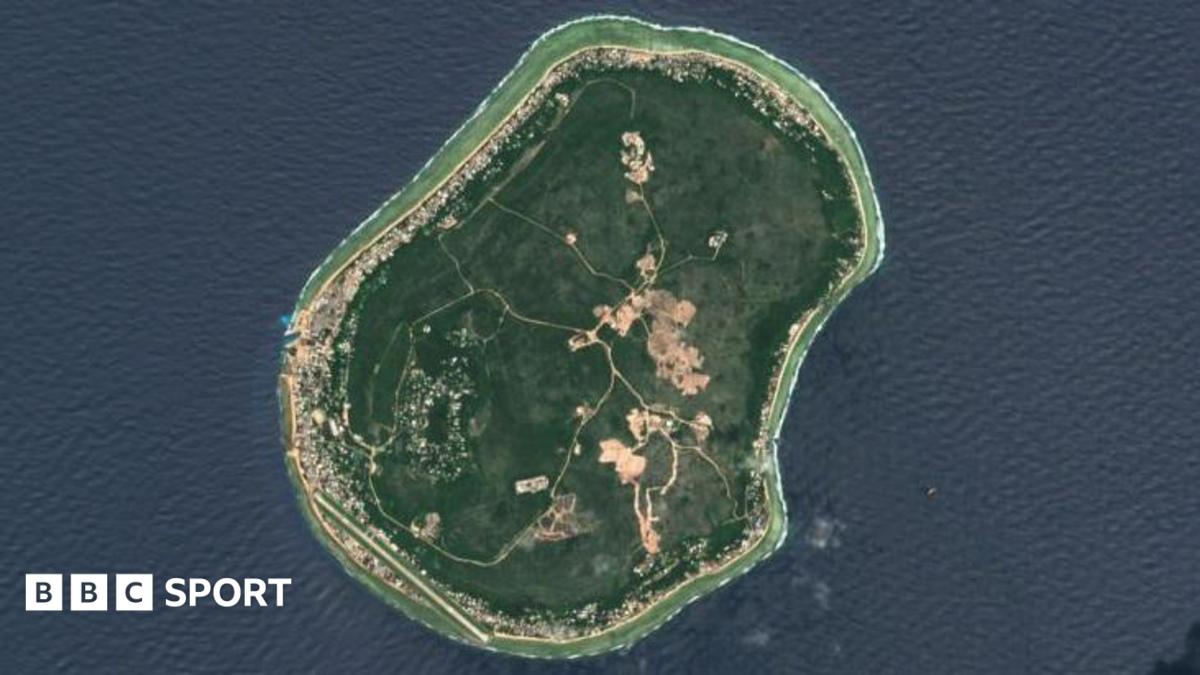
Nauru stands alone as the only sovereign nation to have never participated in an official international football match. In a world where 211 associations hold FIFA membership, the outlier status of this Central Pacific microstate is total.
The island’s spatial constraints define its sporting reality. Measuring just 21 square kilometers, the geography dictates limitations on standard pitch development. When a nation covers less area than a handful of sprawling training complexes in the Premier League, standard 11-a-side infrastructure remains a theoretical aspiration rather than a requirement.
The infrastructure deficit
For context, consider the average pitch requirements. A standard FIFA-regulated field demands roughly 7,140 square meters. Given Nauru’s dense housing and phosphate-mined terrain, the opportunity cost of allocating such a significant percentage of land to a pitch is massive.
Engagement metrics reflect this physical reality. While regional neighbors like Fiji and the Solomon Islands have integrated into the Oceania Football Confederation, Nauru remains outside the fold. Their lack of participation results in an xG of zero across the history of the sport. It is the purest possible sample size of institutional inactivity.
The challenge of regional integration
Integrating into the OFC would require a level of administrative cohesion Nauru currently lacks. A national team requires a federation, a registered league to scout from, and the ability to travel across thousands of kilometers of ocean for qualifying fixtures.
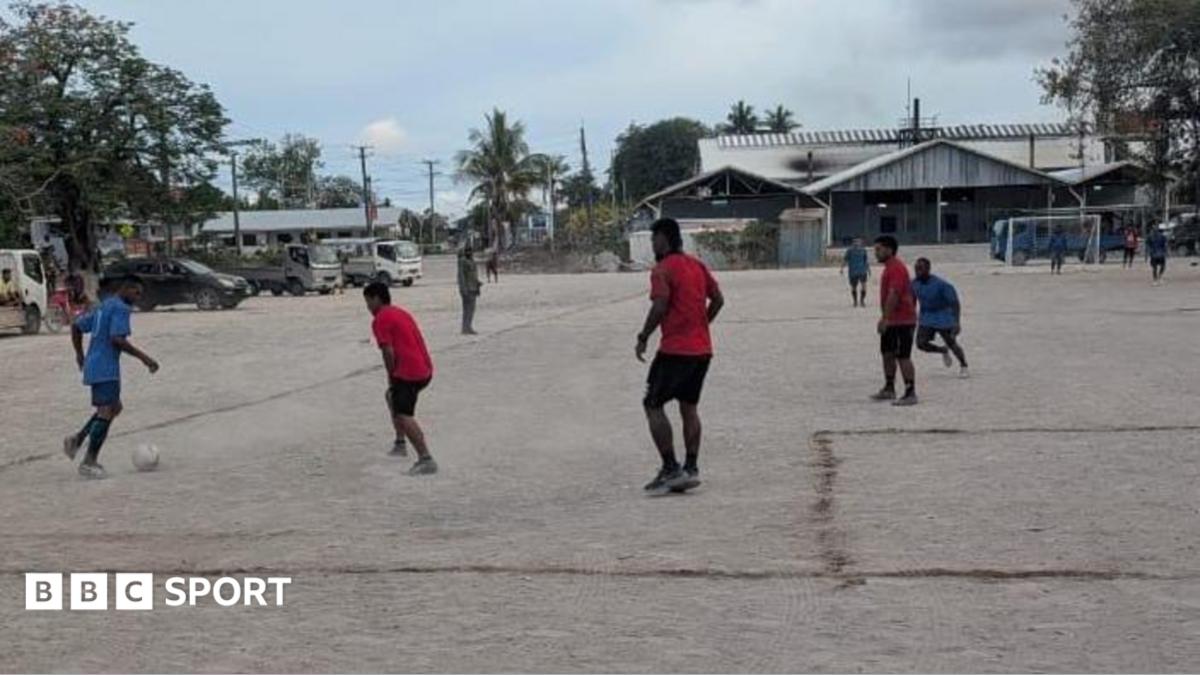
As the BBC recently detailed, the appetite for change is surfacing, yet the lack of a standardized league structure makes international competitiveness an unlikely outcome in the short term. Without a base of 10 to 15 regular clubs, there is no ladder for player development.
Predicting the impact of potential participation
Should Nauru decide to pursue FIFA recognition, they face a steep climb. The entry point is not just a match, but the consistent management of at least 150-200 active registered players. Currently, the island population sits at approximately 12,000.
If only 2% of the populace engaged with the game, that would yield a shallow talent pool of roughly 240 individuals. This would be among the smallest selection bases in world football, comparable to Gibraltar or San Marino, but without the benefit of proximity to European youth academies and professional scouting networks.
Why the numbers fail to align
The skepticism remains grounded in simple logistics. The cost-to-benefit ratio for maintaining an international squad versus the existing focus on rugby league and Australian rules football is tilted heavily against soccer.
Until a governing body can prove they have secured a minimum of three standard-sized pitches, the dream of a World Cup qualification campaign or even a friendly match remains mathematically impossible. The lack of a governing board with fiscal transparency is the real barrier, not the lack of interest. They currently possess zero dedicated facilities for the sport, meaning any shift requires a massive capital injection before a single ball is kicked in anger.