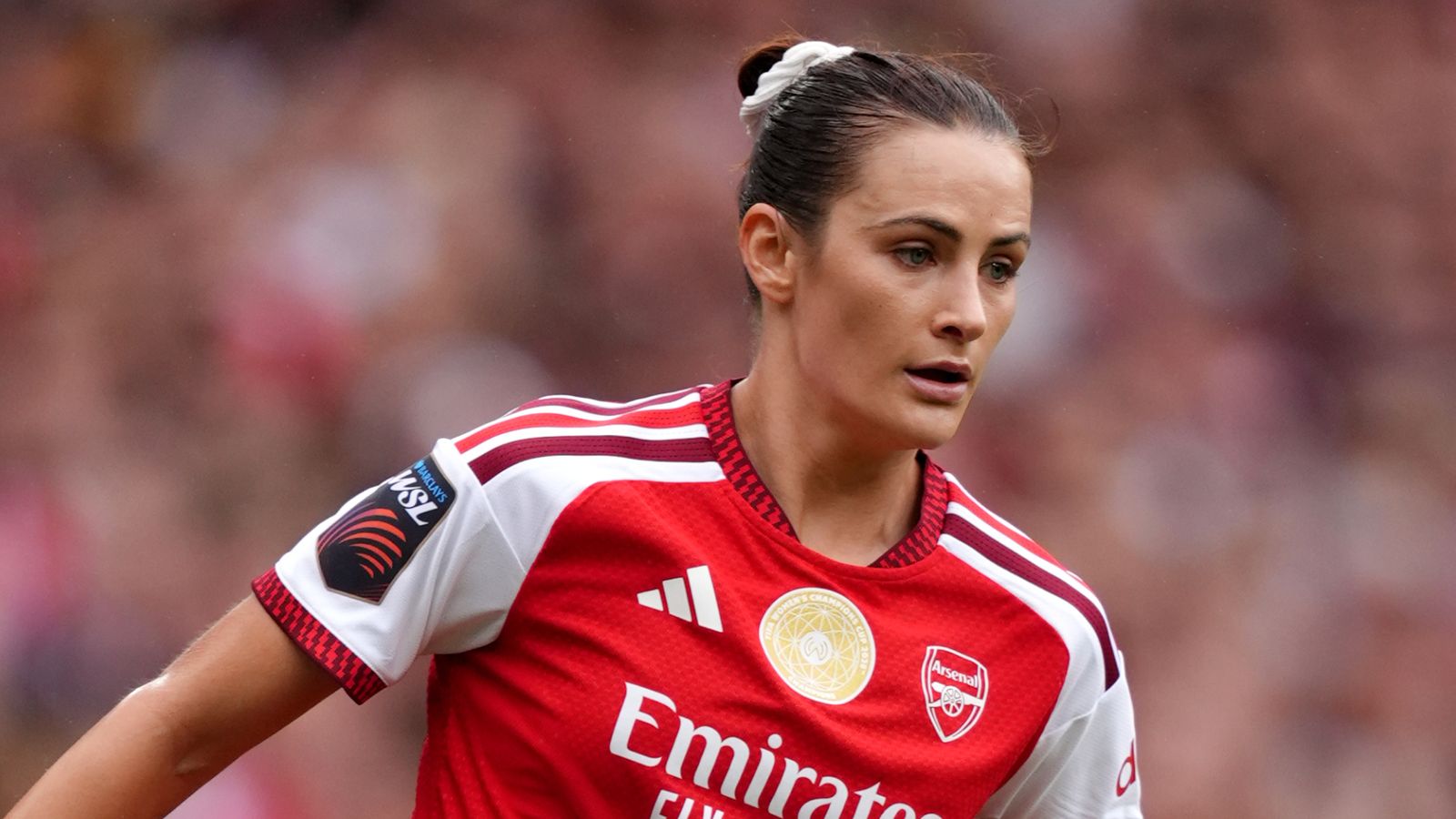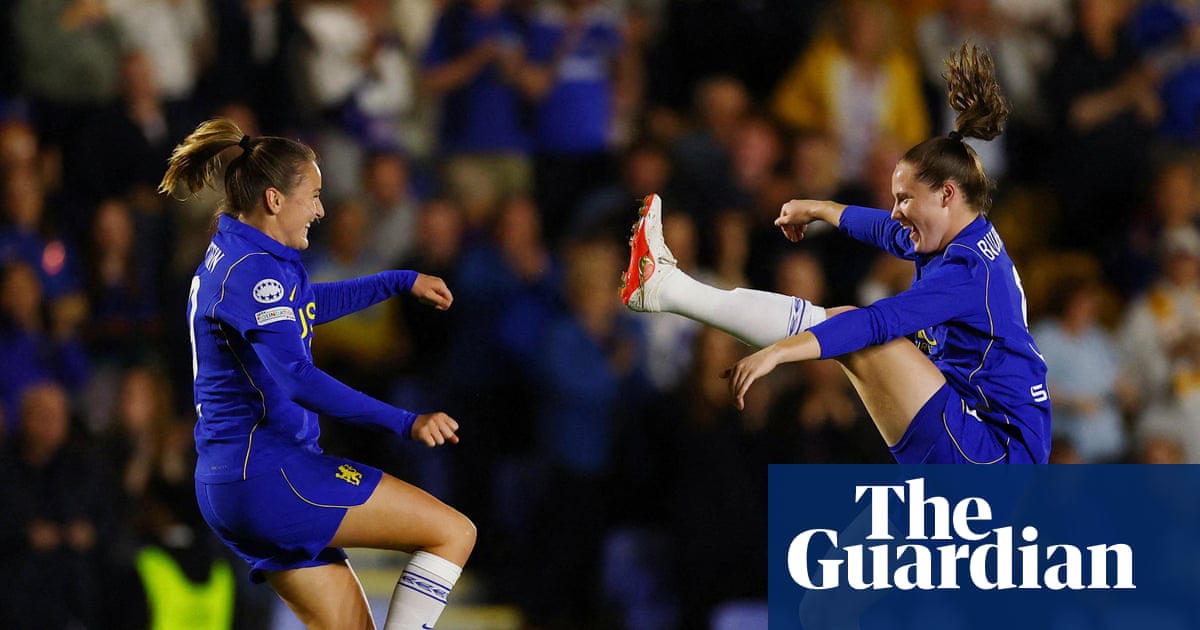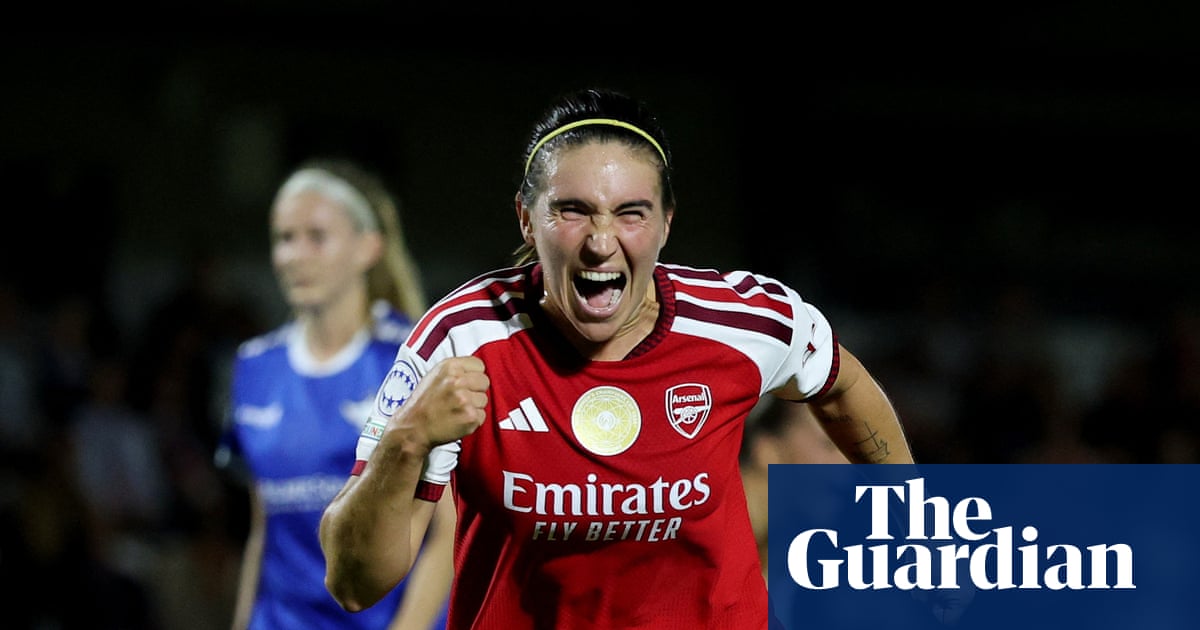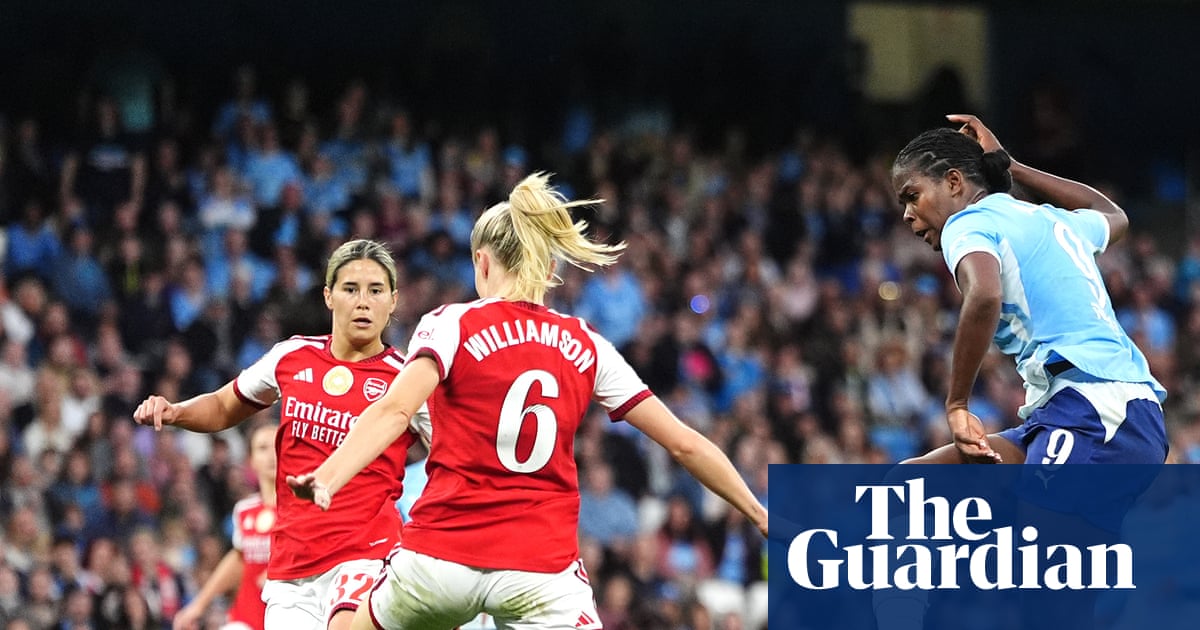
The Etihad collapse and Arsenal's worst start in a decade
Five matches into the Women's Super League season, Arsenal find themselves languishing in tenth place, trailing leaders Manchester City by 10 points. Sunday's 4-2 defeat at the Etihad Stadium was not a simple stroke of bad luck. It exposed a team suffering from structural breakdown, defensive confusion, and an alarming inability to protect a lead.
Renée Slegers watched her team take the lead twice against the defending champions. Yet they left Manchester empty-handed, extending their winless league streak to four matches. This represents Arsenal's poorest start to a WSL campaign since 2014, when they managed just four points from their opening five fixtures.
The atmosphere surrounding the fixture added extra intrigue to the on-pitch chaos. It was the first match at the Etihad Stadium since the Premier League published its guilty verdict against Manchester City regarding financial breaches. While a quiet mood hung over the stadium before kick-off, the traveling support of 2,500 Arsenal fans quickly made themselves heard by chanting about the 115 charges during the first half.
On the pitch, Arsenal benefited from an early refereeing oversight to take the lead. Lotte Wubben-Moy rose to meet a set-piece header, which City goalkeeper Ayaka Yamashita could only parry. Summer signing Lisa Baum reacted fastest to poke home the rebound, though replays clearly showed Baum was in an offside position when the initial header was struck.
City responded before the break when Lauren Hemp gathered space outside the penalty area and saw her deflected strike loop past Anneke Borbe. Despite that setback, Arsenal emerged for the second half with renewed intensity and regained control of the tempo.
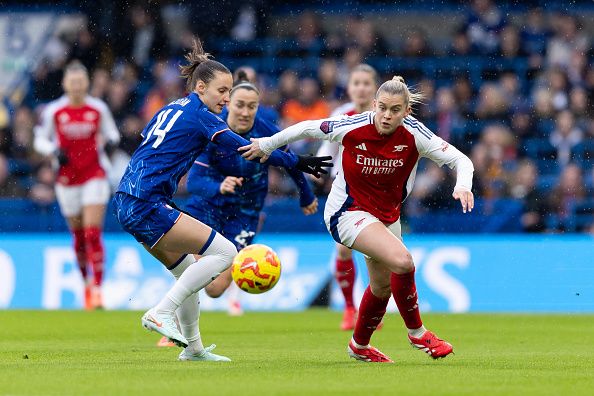
In the 49th minute, Yui Hasegawa committed a costly error inside her own box by spilling possession under pressure. Alessia Russo pounced instantly, curling a fine finish into the far top corner for her first league goal of the campaign. At 2-1 up, Arsenal appeared positioned to reignite their season. Twenty minutes later, their tactical shape had completely dissolved.
Jeglertz's tactical shift exposed Arsenal's structural flaws
City head coach Andrée Jeglertz altered the momentum of the contest with a decisive triple substitution. His key move was deploying 26-year-old Kerstin Casparij as an inverted full-back. That simple spatial tweak completely unpicked Arsenal's defensive block.
Casparij drifted inward into the central half-space, finding vast pockets of space between Arsenal's midfield and defensive lines. Unmarked on the edge of the area, she collected a loose ball and curled a brilliant equalizer into the far corner to make it 2-2. Arsenal's central unit failed to adjust to her movement, leaving critical central zones unprotected.
City struck again almost immediately as Arsenal's composure shattered. Hemp sliced down the left flank, exploited static defending, and slipped a neat finish through Borbe's legs for 3-2. The contrast in body language across the pitch was sudden and brutal.
Khadija Shaw put the match beyond reach by latching onto an exquisite through-ball from Aoba Fujino, driving forward and sliding a low finish into the bottom corner. City's central defensive pairing of Jade Rose and Alex Greenwood handled Arsenal's desperate late long balls with ease. Meanwhile, Arsenal looked physically drained and tactically disorganized.
To make matters worse for Slegers, injuries continue to erode her tactical options. Midfielder Mariona Caldentey was forced off in the second half with a suspected hamstring injury. As The Guardian reported, her potential absence adds another severe complication to an attacking unit that has struggled for rhythm all autumn.
Midfield disarray and the pattern of throwing away leads
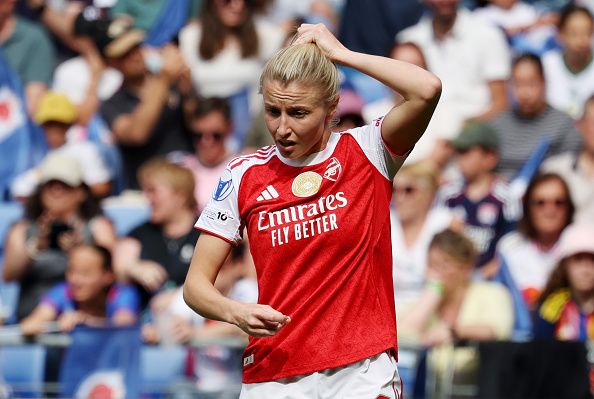
Arsenal's collapse in Manchester was not an isolated incident. Just four days earlier, Slegers saw her side throw away a 2-0 lead against Paris FC in the Women's Champions League, settling for a disappointing 2-2 draw. A costly defensive blunder by Leah Williamson gifted the French team a route back into that contest.
That European setback caused significant tension within the camp. Slegers was so frustrated following the final whistle in Paris that she skipped post-match media duties entirely, choosing instead to remain inside the dressing room with her players. Repeatedly throwing away leads across multiple competitions points directly to flawed game state management.
Earlier domestic draws against Crystal Palace and Manchester United set the foundation for this current crisis. Arsenal entered the summer window intent on solving their historic slow starts. High-profile additions Georgia Stanway and Ona Batlle joined early alongside Baum, with players returning to pre-season training in mid-July.
Despite that investment, the central engine room remains dysfunctional. Former Scotland international Rachel Corsie noted on Sky Sports that while Arsenal played with effort against City and Chelsea, their early dropped points against lower-ranked opposition created immense psychological pressure. The squad is now playing with visible anxiety.
Pundit Isobel Christiansen highlighted the core tactical imbalance during match analysis. Christiansen emphasized that Kyra Cooney-Cross must become an ever-present fixture in midfield to provide press-resistance and defensive discipline. Currently, Stanway has struggled to find her positional footing, leaving Kim Little forced to cover unsustainable amounts of ground.
A fanbase divided and a manager backing her process
At the final whistle on Sunday, Slegers gathered her dejected players into a tight huddle in the center circle. She then led the squad over to the away end to acknowledge the 2,500 traveling supporters who had made the trip to Manchester. Rather than venting fury, the away fans applauded the manager and broke into a stirring rendition of "North London Forever."
That show of unity offers Slegers temporary breathing room, even as discontent grows across social media. Speaking to Sky Sports, Slegers delivered a remarkably blunt evaluation of Arsenal's domestic standing.
"At the moment we're not in the title conversation, no."
Slegers confirmed that the upcoming international break will be spent conducting an extensive review of all operational and tactical setups. The review will scrutinize training methods, physical conditioning, and tactical preparation. She insisted that she retains full energy and feels strong support from the club hierarchy.
Defender Wubben-Moy reinforced that message of internal solidarity, while acknowledging the gravity of their situation. Speaking after the game, she stressed that the squad remains united behind their head coach.
"This is an unprecedented position for Arsenal to be in. It’s up to us to get ourselves out of it."
City manager Jeglertz also offered public support for his counterpart. He expressed confidence that Arsenal possess enough individual quality to recover by spring, predicting they will still feature in the top-three picture. However, warm words from opposing managers will not improve Arsenal's dismal return of 5 points from five league fixtures.
The verdict: Why the title is gone and what Slegers must fix
Let's be clear about the reality facing Arsenal: their WSL title hopes are effectively over before mid-October. Manchester City are operating with flawless consistency, while defending champions Chelsea continue to grind out victories. Overturning a 10-point deficit against two elite setups is an impossible task in a 22-game league season.
Arsenal's focus must shift immediately from title fantasies to securing Champions League qualification. To achieve that, Slegers must make immediate tactical changes when domestic action resumes. Continuing with a expansive, loosely guarded midfield structure is recipe for disaster against fast counter-attacking sides.
Slegers needs to institute a disciplined double-pivot featuring Cooney-Cross alongside Stanway. This configuration would screen Williamson and Wubben-Moy, preventing central runners from driving straight at Arsenal's backline. Furthermore, Slegers must utilize Ona Batlle's overlapping width more effectively to stretch stubborn low blocks.
According to BBC Sport, club executives maintain their backing for Slegers, who signed a contract extension through summer 2029 in January. Slegers previously delivered the 2025 Champions League trophy, earning significant goodwill. Yet goodwill vanishes rapidly when a squad with two wins in seven matches across all competitions stalls in tenth place.
My prediction: Slegers will survive the upcoming international review and stabilize results enough to secure a top-three finish. But Arsenal's domestic title drought—stretching back to 2019—will extend into another year. Unless Slegers fixes her team's mid-block vulnerability, her long-term project at Arsenal will remain on extremely thin ice.
Read Next
- Arsenal Women are spiraling and Sunday at Man City could get ugly
- Arsenal need an instant response against Leeds after the Brighton disaster
- London City's Spurs blowout and Chelsea's win set a fiery WSL pace
- Why Scotland will finally break their goal drought in Skopje tonight
- ⭐ UCL 2026 — Champions League Quarter-Finals Hub