Messi battered as Argentina survives Cape Verde scare
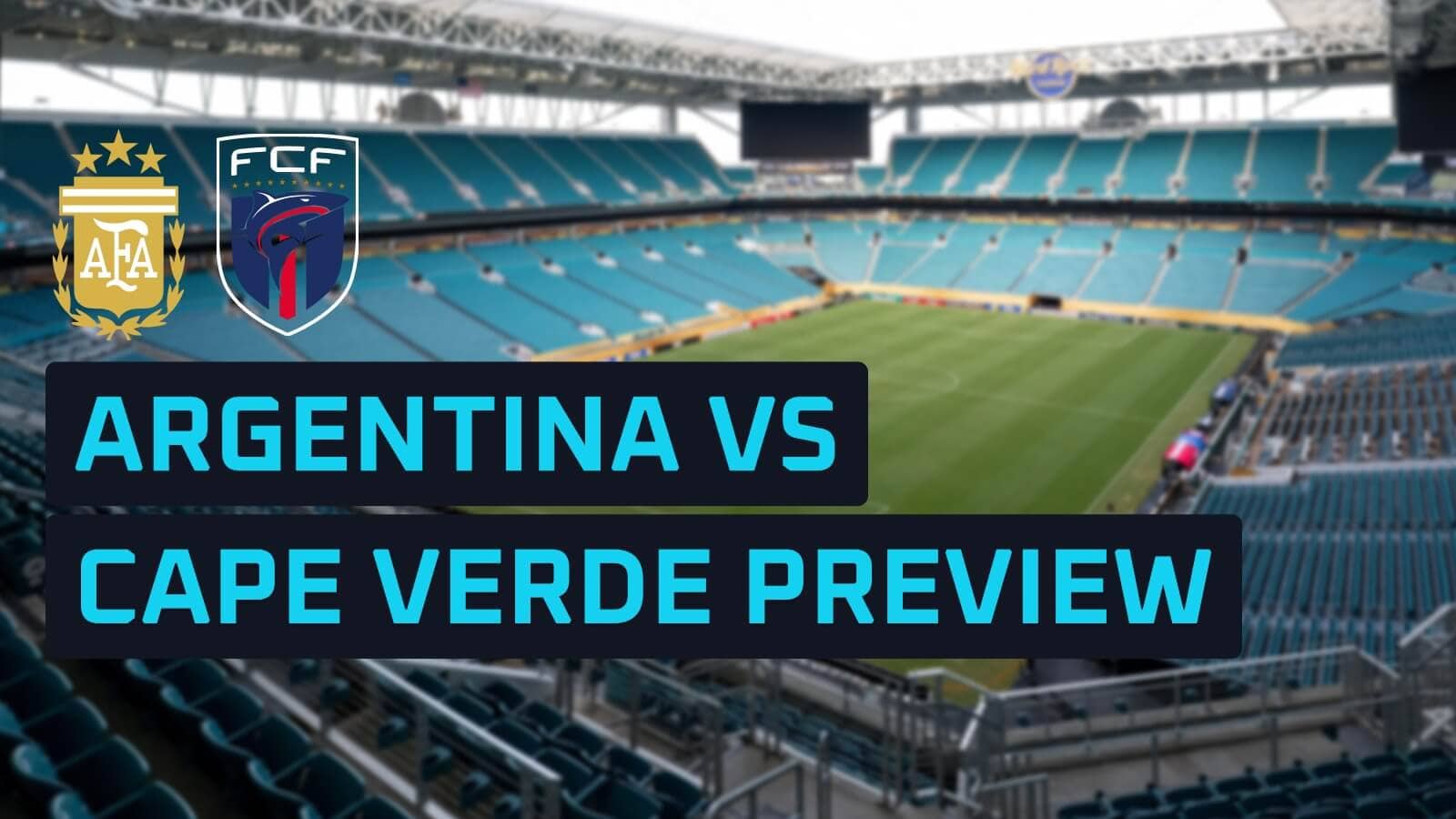
Lionel Messi left the pitch in Miami with a massive, swelling knot on his forehead and a ticket to the Round of 16. Argentina survived a near-disaster against Cape Verde, winning 3-2 after extra time. The 39-year-old captain played all 120 minutes despite taking a hard blow to the skull late in the match, as Daily Mail reported from Miami. Argentina escaped. But the cost remains unknown.
The injury occurred during second-half stoppage time of a furious, physical contest. Messi went down in a crowd of defenders and took a direct hit from a Cape Verde defender's knee. The impact was immediate, leaving a prominent, purple bump just above his left eye.
Medical staff rushed to the touchline, holding an ice pack to Messi's head during the brief break before extra time. Remarkably, manager Lionel Scaloni did not make a change. Messi remained on the field, watching his side scrape through via a 111th-minute own goal.
Argentina's survival ensures a date with Egypt on Tuesday, July 7, in Atlanta. However, the physical toll of this Round of 32 battle raises serious questions about Argentina's ability to defend their title. Messi was hacked, shoved, and bruised for the entire match.
While Messi did score a sublime opening goal to set his 20th career World Cup goal, his team looked sluggish. The Albiceleste lacked ideas and energy, relying on their aging star to pull them through. Cape Verde exposed massive gaps in Argentina's defensive transition and midfield cover. The pre-tournament expectations of a comfortable Argentine victory, as pre-match analysis suggested, dissolved into a chaotic struggle.
The medical reality of Messi's head blow
No official concussion protocol update
As of Sunday morning, the Argentine Football Association has released no official update regarding concussion testing. Messi was seen showing off the large bump to reporters post-match, downplaying the severity of the contact. Yet, the lack of an immediate medical substitution has drawn sharp criticism from player safety advocates.
Under current FIFA rules, teams have access to additional permanent concussion substitutions. Scaloni chose to ignore this option, keeping his captain on the pitch despite the visible swelling. It was a massive gamble. The safety of the game's greatest asset was secondary to the result.
The Christoph Kramer precedent
In past tournaments, similar head impacts have led to immediate removals. During the 2014 World Cup final, Germany's Christoph Kramer suffered a head blow and played on briefly before collapsing. Argentina's decision to leave Messi on the pitch suggests a desperation that overrides medical protocol. Player safety comes last when survival is on the line.
Head trauma is unpredictable, and symptoms of a concussion can take 24 to 48 hours to fully manifest. The medical staff must monitor Messi closely over the next 48 hours in Atlanta. If he experiences dizziness, headaches, or light sensitivity, he will be ruled out of the Egypt clash.
Argentina's staff has a history of playing their stars through physical pain, but head injuries are different. With only three days of rest between the Cape Verde battle and the Round of 16, recovery time is dangerously short. Messi will likely train away from the main group on Monday to minimize further contact.
Egypt watches as Argentina's dependency deepens
Egypt's coaching staff will have analyzed the tape of Cape Verde's aggressive approach. The African side showed that physical pressure can disrupt Argentina's build-up play and isolate Messi. By packing the midfield and using tactical fouls, they limited Messi's space after his initial goal. Egypt will be ready.
If Messi is playing at less than full fitness, Argentina's offensive plans fall apart. Scaloni's side has failed to develop a secondary creative outlet, leaving them entirely reliant on their captain. A compromised Messi makes Argentina look remarkably ordinary, as Cape Verde proved for long stretches.
Egypt will likely deploy a similarly physical defensive scheme in Atlanta. Their central defenders will look to test Messi's mobility and willingness to engage in aerial duels early in the match. The Egyptian team has the defensive discipline to frustrate this fragile Argentine squad.
Argentina's midfield, which looked slow in Miami, must offer better protection. Players like Rodrigo De Paul and Enzo Fernández failed to control the tempo against Cape Verde. They allowed the African side to launch rapid counter-attacks that repeatedly caught the Argentine defense off guard.
Scaloni must decide whether to adjust his tactical setup to shield his captain. If he continues with the same system, Messi will face another 90 minutes of heavy contact. Argentina cannot afford to let their star player take another blow to the head.
Broadcasters, sponsors, and FIFA's public bias
The relief at FIFA headquarters following the 111th-minute own goal was almost audible. A World Cup without Argentina and Messi in the Round of 16 is a commercial nightmare for broadcasters and sponsors. Ticket prices for the match in Atlanta would have collapsed if Cape Verde had pulled off the upset. The relief was audible.
FIFA President Gianni Infantino did little to hide his preferences after the final whistle. Infantino delivered a highly public, gushy message of congratulations to Messi and his teammates. The move was widely criticized by neutral fans who felt it showed a clear lack of impartiality. The tournament's integrity took a hit.
Cape Verde supporters were left furious, claiming their team was robbed by a series of questionable refereeing decisions, as reports detailed the backlash. Several key calls went in favor of the defending champions during extra time. The perception of bias only grew after Infantino's public display of affection for the Argentine team.
Broadcasters like Fox and Telemundo rely heavily on Argentina's progress to drive television ratings. Messi is the single biggest draw of the tournament, and his absence would cost media companies millions in advertising revenue. The economic machinery of the World Cup demands that Argentina remains in the competition.
This commercial pressure puts additional strain on the medical team. There is immense financial incentive to clear Messi for the Egypt match, regardless of his actual health. Player safety must not be sacrificed to protect television ratings and sponsor agreements.
A dangerous precedent for the aging captain
Messi's longevity is unprecedented, but his body is showing signs of wear. At 39, he can no longer recover from matches as quickly as he did during the 2022 campaign. The decision to keep him on the pitch for 120 minutes against Cape Verde was short-sighted.
During the group stage, Scaloni had opportunities to rest Messi but chose to play him. This lack of squad rotation has left the team fatigued and vulnerable to injuries. The forehead bump is a direct consequence of a tired player reacting a split-second too late to a challenge.
If Argentina is to reach the final, they must learn to win without Messi playing every single minute. The supporting cast must step up and take responsibility for creating chances. Lautaro Martínez and Julián Álvarez need to find their scoring form to ease the burden on their captain.
The match in Atlanta against Egypt will be a true test of Argentina's championship credentials. If Messi is ruled out or limited, the rest of the squad must prove they can win a knockout match on their own. Otherwise, the defending champions will face an early exit from the tournament.
For now, the focus remains on the medical room in Atlanta. Fans and media will be watching the training pitch closely for any signs of Messi's condition. The forehead bump is a visible reminder of how thin the line is between World Cup glory and disaster.
Read Next
- Argentina are sleepwalking into a World Cup disaster
- Top 10: Top Moments
- Argentina's walking icon and Cape Verde's three-point miracle collide in Miami
- Argentina's midfield stagnation is a gift for the Netherlands
- 🏆 World Cup 2026 — Full Coverage Hub
- 🇦🇷 Argentina World Cup 2026 — Defending Champions Hub