Praia Turns Blue: World Cup Heroes Return to Cape Verde
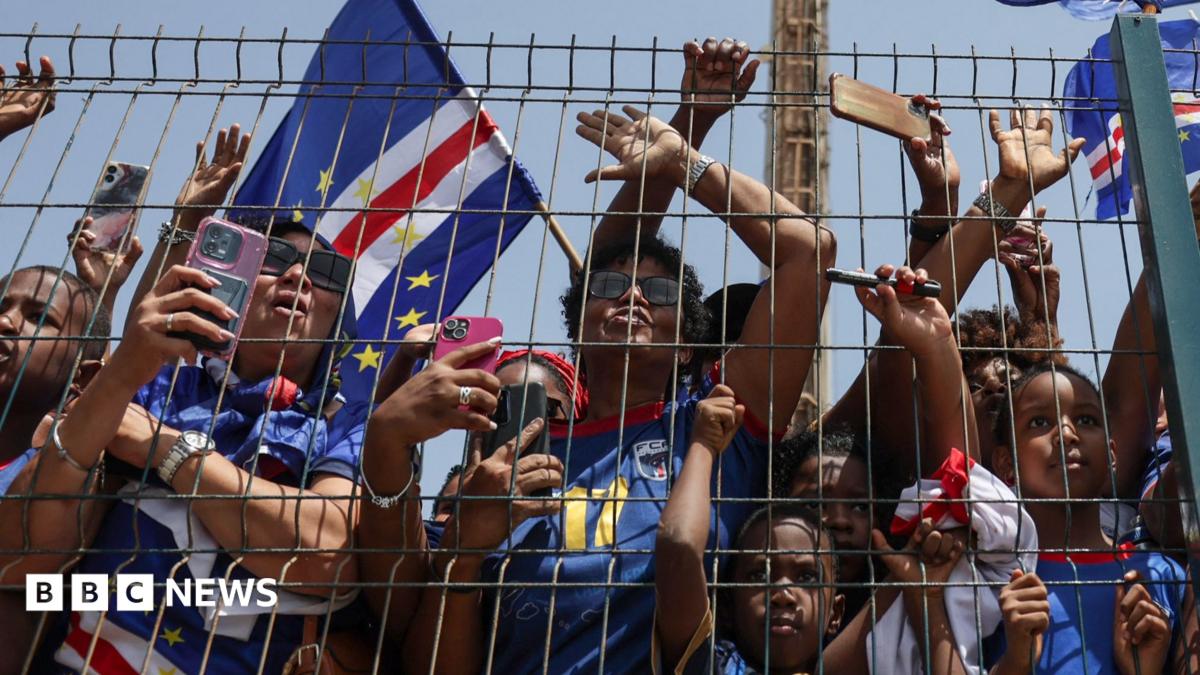
The Cape Verde national football team touched down in Praia on July 5, 2026, to a greeting normally reserved for rock stars. Tens of thousands of fans gathered at Nelson Mandela International Airport, turning the capital into a massive block party. The arrival coincided with the country's 51st Independence Day, sending the national mood to an all-time high.
The squad returned home after their historic run at the 2026 FIFA World Cup came to an end. Waving blue flags, the local population blocked the roads around the airport for hours. Drum beats filled the air, and fans danced on top of cars to catch a glimpse of goalkeeper Vozinha and his teammates on their open-top bus.
This homecoming is the culmination of a tournament that changed how the world views Cape Verdean football. The West African island nation entered the competition as massive underdogs, yet they forced the defending champions to the absolute limit. For a country of just over 500,000 people, it was a historic achievement.
A Double Celebration in Praia
The celebration was not just about football. The return of the squad on July 5, 2026, perfectly aligned with the country's Independence Day. The convergence of sporting pride and national identity created a unique atmosphere, with fans singing patriotic songs alongside chants honoring head coach Bubista.
Security personnel struggled to keep the runways clear as the charter flight arrived from Florida. The airport gates were swamped by supporters wearing the national shirt. From the airport, the team began a slow parade through the main avenues of Praia, heading towards a reception with government officials.
Defying the Giants: The Group Stage Run
No one expected Cape Verde to survive the group stage, let alone finish it undefeated. Drawn into a difficult group with Spain, Uruguay, and Saudi Arabia, Bubista's side was tipped to exit early. Instead, they built a defensive wall that the world's best attackers could not penetrate.
The match against Spain will go down in Cape Verdean folklore. The Blue Sharks held Spain to a 0-0 draw, frustrating a star-studded attack. Goalkeeper Vozinha, at the age of forty, put on a masterclass, making seven saves to earn Player of the Match honors.
Subsequent draws against Uruguay and Saudi Arabia proved the Spain result was no fluke. Bubista organized his team in a disciplined 4-1-4-1 formation, shutting down the half-spaces and forcing opponents wide. The midfield work rate of Deroy Duarte kept the team compact, allowing the smallest nation by population to reach the knockout rounds.
The Vozinha Sensation
At the center of the defensive solidity was Josimar José Évora Dias, known simply as Vozinha. The veteran goalkeeper became the oldest debutant in World Cup history. His performances in the group stage made him an overnight celebrity, causing his social media following to explode.
Vozinha finished the tournament with 18 saves across four matches. His presence in goal gave the backline confidence to absorb heavy pressure. His leaping save to deny Spain in the dying minutes set the tone for the rest of the adventure.
The Miami Heartbreak: Pushing Argentina to the Brink
The journey ended in the Round of 32 on July 3, 2026, at Miami Stadium in Florida. Facing defending champions Argentina, Cape Verde refused to play the role of sacrificial lamb. What followed was a five-goal thriller that pushed Argentina to the edge, with the Blue Sharks equalizing twice in a memorable display.
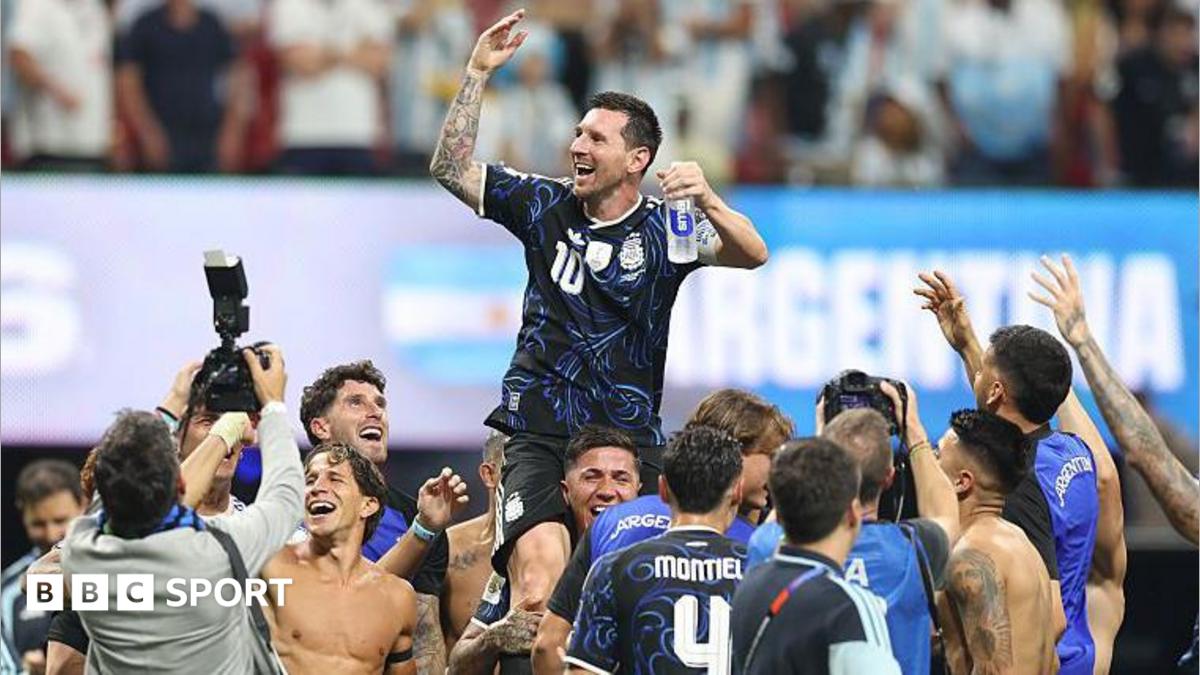
Lionel Messi opened the scoring in the 29th minute, latching onto a Lisandro Martínez pass. Most teams would have collapsed, but Cape Verde fought back. In the second half, midfielder Deroy Duarte found space in the box and fired home the equalizer, silencing the Miami crowd and forcing extra time.
In extra time, Lautaro Martínez restored Argentina's lead, capitalizing on a defensive lapse. Again, Cape Verde responded. Sidny Lopes Cabral scored a spectacular goal to level the match at 2-2, sending the bench into wild celebrations before the physical toll of matching the world champions took over.
The Diney Borges Own Goal and Tactical Breakdown
The heartbreak arrived in the 111th minute of extra time. A sharp, curling corner from Lionel Messi caused chaos, forcing defender Diney Borges to accidentally turn the ball into his own net. The own goal broke Cape Verde's resistance, sealing a 3-2 victory for Argentina.
While the performance was heroic, the final goals exposed clear tactical vulnerabilities. Borges was caught flat-footed on the decisive corner, a product of mental fatigue after defending for over a hundred minutes. Bubista's delayed substitutions in extra time left a tired defensive line exposed, showing that elite opposition will always punish minor errors.
The physical fatigue was obvious in the final minutes of extra time as the Blue Sharks struggled to maintain their defensive shape. Argentina controlled possession to kill the game. Despite the errors, the squad left the pitch in Miami to a standing ovation from both sets of fans.
Scouting the Diaspora: The Blueprint for Success
Cape Verde's success is the result of a deliberate scouting strategy. Lacking a fully professional domestic league setup, the football federation has focused on the global diaspora. Many of the squad's key players were born or raised in Portugal, the Netherlands, and France, allowing the nation to field a competitive team on the global stage.
Players like Duarte and Cabral bring European tactical discipline to the national team. The football federation, led by Mário Semedo, has worked hard to recruit players from the diaspora. The World Cup run proves that this model works, but it also highlights the need for domestic development to reduce dependence on foreign academies.
The challenge now is to sustain this momentum by using tournament payouts to improve local facilities. While the diaspora remains a vital source of talent, long-term success requires a solid foundation at home. This generation has shown what is possible, setting a new standard.
What Lies Ahead for the Blue Sharks
As BBC reported, the reception in Praia was a tribute to a team that surpassed all expectations. The players will meet with government leaders to discuss the future of the sport in the country. The immediate focus will turn to the upcoming Africa Cup of Nations qualifiers, where Cape Verde is no longer an underdog.
The football world will no longer underestimate the Blue Sharks after their performances in Miami. The task now is to ensure this tournament is the beginning of a consistent presence on the world stage. The party in Praia will end, but the impact will be felt for years.