The Miami Stagnation Trap
Winning matches in June is the bare minimum for any side with designs on the gold trophy. Argentina's final Group J game against Jordan was less a celebration of their progression and more of a structural warning sign. For sixty minutes, Lionel Scaloni's rotated side passed the ball in sideways U-shapes, unable to break a block that Qatar had dismantled four years prior.
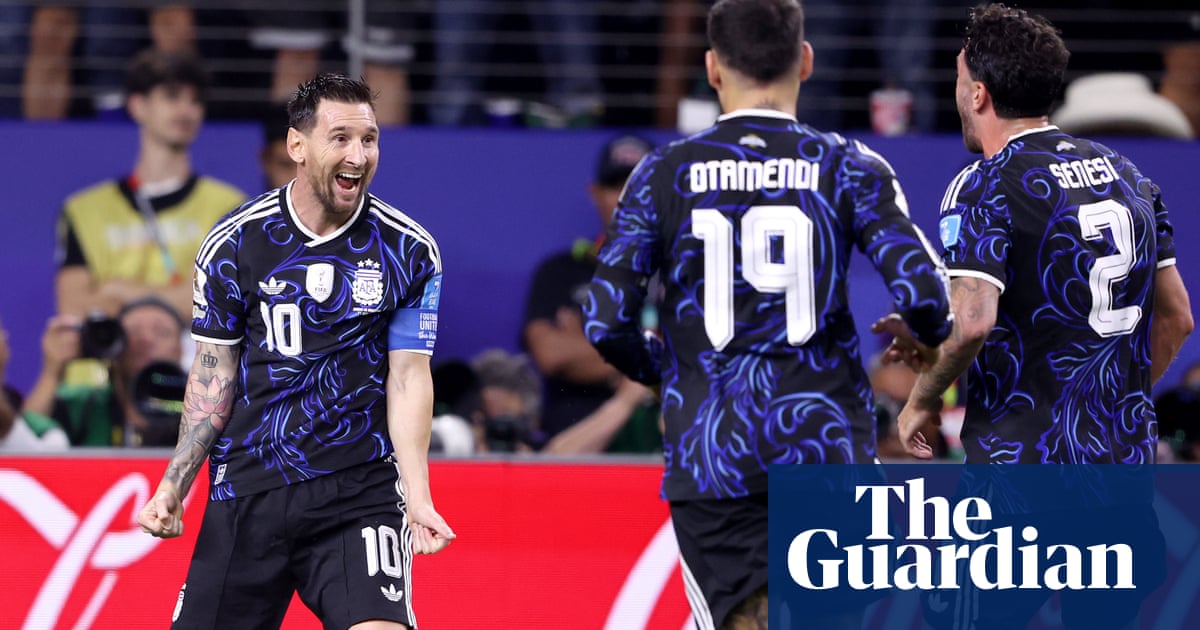
Without Lionel Messi on the pitch, Argentina fell back into their worst habits. They dominated possession but lacked any vertical intent, circulating the ball slowly between central defenders and deep midfielders. As The Guardian reported, the low stakes of the match were reflected in both the tempo and the ambience under the Dallas roof.
Giovani Lo Celso's curling free-kick in the 19th minute and Lautaro Martinez's penalty in the 31st minute gave them a cushion. Yet, the performance remained disjointed, characterized by a lack of coordination between the midfield lines. When Mousa Al-Tamari scored in the 55th minute, it exposed Argentina's slow defensive transition and lack of midfield pressure.
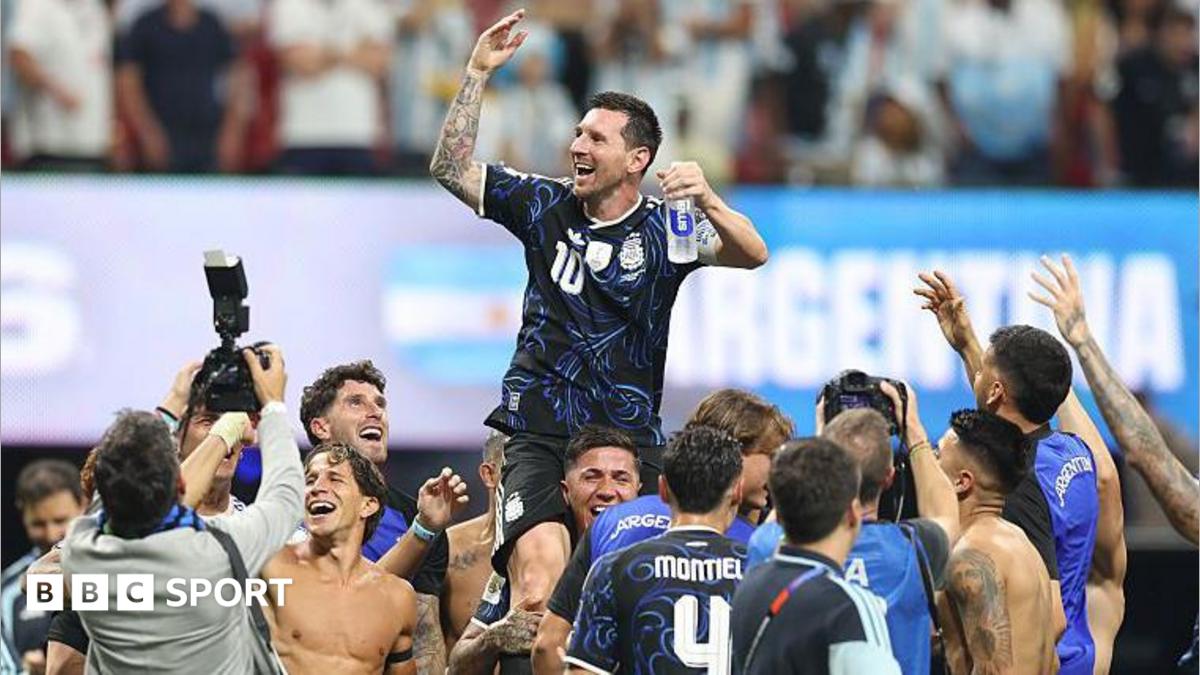
Only the introduction of Messi in the 60th minute restored order. His 80th-minute free-kick sealed a sluggish 3-1 victory, bringing his World Cup goal tally to 19. But the tactical lesson was clear: without their captain, Argentina's build-up is vulnerable to stagnation.
Bubista’s Blue Wall
The block Spain could not break
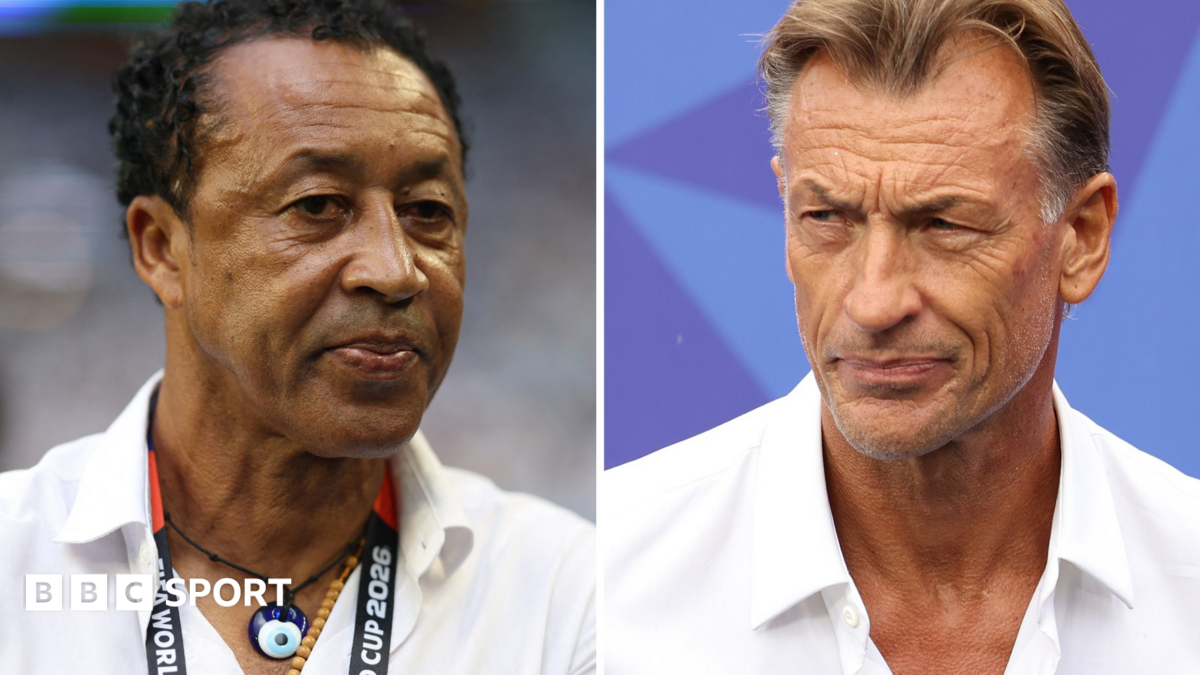
Cape Verde's presence in the Round of 32 is no fluke. Under the guidance of Pedro Leitão Brito, known as Bubista, the Blue Sharks finished undefeated in Group H. They constructed a defensive wall that resisted Spain, securing a historic 0-0 draw despite conceding 72 percent possession.
Bubista's defensive scheme relies on a compact 4-5-1 shape that compresses the space between the lines. The defensive midfielder, Kevin Pina, acts as a screen in front of the center-backs, tracking runners into the half-spaces. Spain's interior players repeatedly ran into a wall of five midfielders who refused to drag out of position.
When Spain tried to play through the middle, they found their passing lanes blocked by Deroy Duarte and Jamiro Monteiro. Out wide, Cape Verde's wingers drop deep to support their fullbacks, creating a temporary six-man defensive line. This structure denies opponents the space to overlap or underlap in the final third.
Logan Costa and the air defense
Uruguay also struggled against this block, settling for a 2-2 draw. In that match, Cape Verde proved they are not just defensive stoppers but also highly efficient transition threats. Kevin Pina's direct free-kick in the 21st minute and Helio Varela's opportunistic strike in the 61st minute exposed Uruguay's defensive complacency.
The central defensive partnership of Logan Costa and Roberto Lopes has been the foundation of their success. Logan Costa, in particular, has excelled in aerial duels, winning 84 percent of his contests in the group stage. He acts as the primary protector of veteran goalkeeper Vozinha, who at 40 years old has shown sharp reflexes.
The Half-Space Stagnation
The fullback positioning problem
For Argentina, the primary challenge in Miami will be creating dynamic space. Against Jordan, Lo Celso and Alexis Mac Allister frequently occupied the same horizontal zones. This lack of vertical spacing made it easy for Jordan to maintain their mid-block without shifting their defensive lines.
When Lo Celso dropped deep to collect the ball, Lautaro Martinez was left isolated against three central defenders. Argentina's fullbacks, Nahuel Molina and Marcos Acuña, pushed high but rarely made runs behind the defensive line. Instead, they received the ball in front of the opposition block, leading to predictable cross attempts.
Against Cape Verde, this lateral circulation will play directly into Bubista's hands. The Blue Sharks want their opponents to pass wide and slow, allowing them time to slide their defensive block across the pitch. Once the ball is forced to the touchline, Cape Verde triggers a two-man press to trap the fullback.
To counter this, Scaloni must introduce positional rotations in the midfield. Mac Allister must make runs from deep to drag Kevin Pina out of the center, opening space for Messi or Lo Celso to receive between the lines. If Argentina's midfielders remain static, they will find themselves passing in front of a blue wall for ninety minutes, making their progress dependent on three tactical battles:
- Rest defense organization: Argentina must keep a three-man cover to restrict Ryan Mendes on transitions.
- Half-space rotations: Lo Celso and Mac Allister must coordinate their movements to pull the Cape Verde midfielders out of shape.
- Set-piece execution: Cape Verde's aerial power and direct free-kicks are a major threat that Romero and Otamendi must counter.
Transition triggers and Mendes
Cape Verde's transition threat is built around captain Ryan Mendes and the pace of Jovane Cabral. During their group stage matches, Cape Verde showed a clear transition trigger. As soon as Kevin Pina wins possession, he looks to play a direct vertical pass into the channel for Livramento.
This directness will test Argentina's rest defense, which was exposed against Jordan. In the 55th minute of that match, Jordan won the ball in their own third and transitioned with three passes. Mousa Al-Tamari's goal was the result of Nicolas Otamendi being dragged out of the defensive line, leaving space behind him.
Romero and Otamendi cannot afford to be passive when Cape Verde wins the ball. They must step up immediately to disrupt the first forward pass, preventing Mendes from turning and running at the backline. If Cape Verde is allowed to transition cleanly, their vertical speed will cause serious problems in Miami.
Furthermore, the lateral spacing of Argentina's fullbacks will be critical. If Molina and Acuña push forward simultaneously, Argentina's center-backs will be isolated in two-on-two situations. Scaloni must instruct one fullback to remain deep during possession phases, creating a back three to secure the rest defense.
A Blunt Reality and Prediction
The Miami factor
The match in Miami will be played under conditions that favor Cape Verde's physical style. The summer humidity in Florida has already impacted several teams in the tournament, slowing down the tempo of games in the second half. A slower game suits a team that defends deep and relies on sporadic, high-intensity transitions.
Argentina's players showed signs of fatigue during the final thirty minutes against Jordan. Their pressing intensity dropped, allowing Jordan to possess the ball in Argentina's half. Against a physically imposing Cape Verde side, any drop in work rate will be punished.
Bubista will likely use his substitutes early to maintain the intensity of his midfield press. Players like Telmo Arcanjo and Stopira offer fresh legs and tactical discipline off the bench. Scaloni, conversely, must manage Messi's minutes carefully, knowing that his captain cannot be expected to carry the defensive load.
The verdict
Argentina enter this knockout round as heavy favorites, but their path is filled with tactical traps. The perfect group stage record hides the structural issues that Jordan exposed. Midfield stagnation and slow defensive transitions are flaws that a disciplined side can exploit.
Cape Verde represents the ultimate test of Argentina's patience. If the champions search for early, low-probability passes through the middle, they will play into the hands of Bubista's block. Patience, lateral shifting, and rapid counter-pressing will be required to break down the Blue Sharks.
If Argentina fail to adapt, they could find themselves in a grueling penalty shootout or worse. The defending champions have the superior talent, but tournament football is decided by tactical execution. Miami will show whether Scaloni has found the solution to his midfield puzzle.
Do not expect a high-scoring spectacle in Miami. Cape Verde will drop into their compact low block from the opening whistle, challenging Argentina to find a way through. Scaloni will start Lo Celso and Mac Allister, but the breakthrough will require Lionel Messi's introduction in the second half.
Cape Verde will frustrate the champions for the first hour, maintaining their shape and restricting Argentina to low-quality shots from distance. The deadlock will finally be broken in the 71st minute when Messi, coming off the bench, curls a pass behind Stopira for Lautaro Martinez to finish. A late counter-attack goal from Julian Alvarez will seal the 2-0 victory, sending the champions through despite another unconvincing performance.
Read Next
- Why Portugal will end Luka Modric's World Cup run next Friday
- Lionel Messi gets benched while Manchester United enters transfer panic mode
- Enzo Fernandez faces a Miami pressure cooker with Mourinho watching
- Heavy rotation is already threatening to derail the USA and Australia
- 🏆 World Cup 2026 — Full Coverage Hub
- 🇦🇷 Argentina World Cup 2026 — Defending Champions Hub