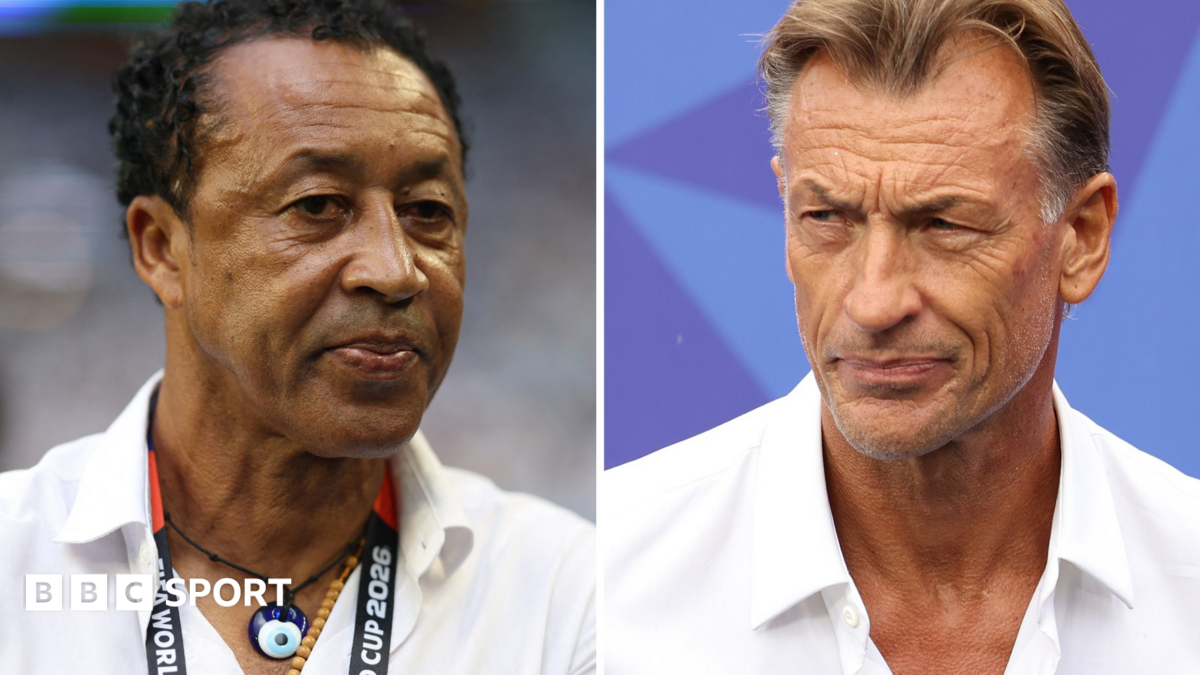
The white shirt returns to Abidjan
Herve Renard is back in the Ivory Coast dugout, and the timing tells you everything about where the African champions currently stand. Fresh off another managerial pivot, the Elephants have turned to the two-time Africa Cup of Nations winner to steady a ship that always seems to hover between genuine dominance and structural chaos. Meanwhile, across West Africa, Bubista's resignation from Cape Verde following their round-of-32 exit at the World Cup marks the end of one of the continent's most impressive tactical blueprints.
Renard's return isn't born out of romantic nostalgia; it is a cold, calculated move by the Ivorian federation. When Renard led Ivory Coast to AFCON glory in 2015, his side conceded just two goals in six matches during the tournament proper. That defensive solidity was built on a pragmatic 3-4-3 shape that compressed the central midfield channel and forced opposition wingers into low-percentage crosses. Returning to that exact tactical baseline is priority number one, especially given how chaotic their transition defense looked during recent international windows.
Tactical shifts and the Cape Verde vacuum
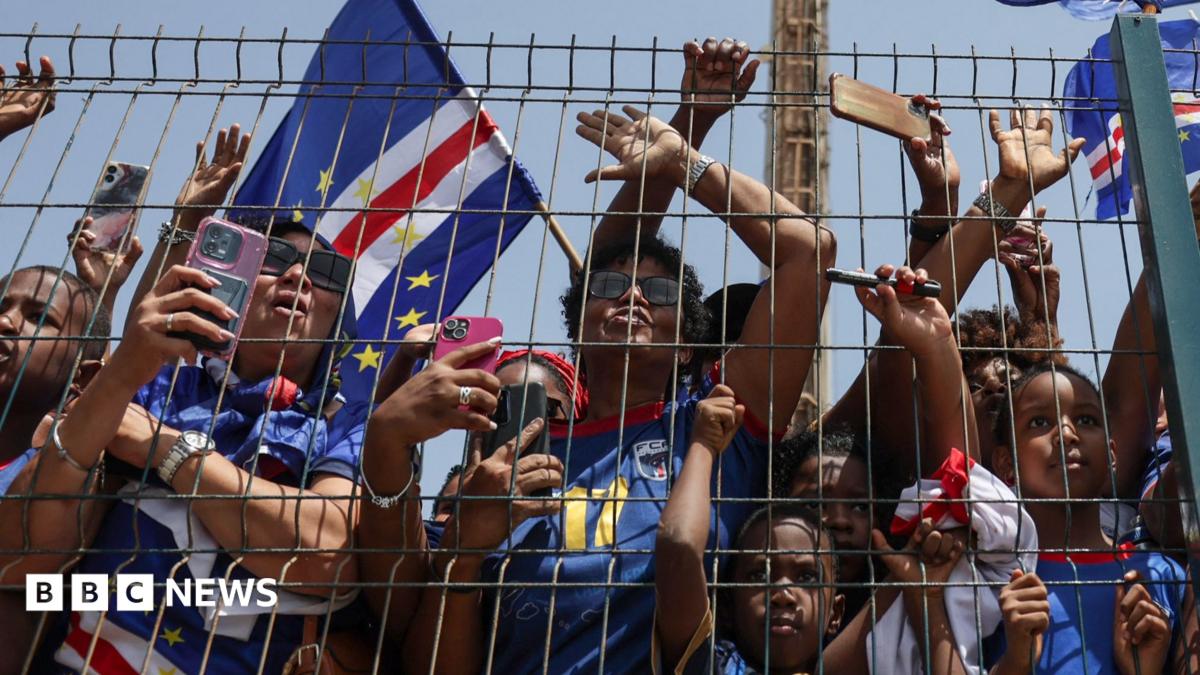
While Ivory Coast secure a proven tournament strategist, Cape Verde find themselves at a major crossroad. Under Bubista, the Blue Sharks defied their size by implementing a surprisingly fluid 4-3-3 pressing system that prioritized mid-block turnovers. Their run to the last 32 of the World Cup wasn't luck; it was driven by a central pressing trigger that targeted opponents' defensive midfielders whenever they turned back toward their own goal.
Replacing that level of tactical discipline is virtually impossible overnight. Bubista's exit leaves Cape Verde vulnerable to structural regression just as rival West African nations are re-tooling. For the Ivorians, Renard's immediate task will be re-establishing structural compactness without sacrificing the vertical speed of their wide forwards. In his previous stint, Renard demanded that his wing-backs cover an immense amount of ground, averaging over 11 kilometers per 90 minutes to maintain defensive width.
What to watch for in the upcoming cycle
The contrast in direction between these two nations couldn't be starker. Ivory Coast are doubling down on elite international management to maximize a golden generation's closing window. Cape Verde are forced to rebuild their entire coaching setup after reaching an unprecedented ceiling on the global stage. Renard's second act will be judged purely on whether he can instil the same defensive ruthlessness that delivered silver in 2015.
My call: Expect Ivory Coast to immediately tighten up their back line under Renard, reverting to a heavy mid-block that grinds out 1-0 and 2-0 results. Cape Verde, on the other hand, face a steep drop-off in systemic consistency while they hunt for Bubista's successor.
Read Next
- Gianni Infantino is running out of allies at FIFA
- Gianni Infantino is losing his grip on FIFA as the numbers expose his isolation
- Pochettino faces a high-stakes USMNT reality check this September
- Liverpool fans are overreacting to a glorified training session
- 🇨🇮 Ivory Coast World Cup 2026 — Les Éléphants Hub
- 🇪🇸 WC 2026 Group H — Spain, Uruguay, Ivory Coast