The shadow over an empty training pitch
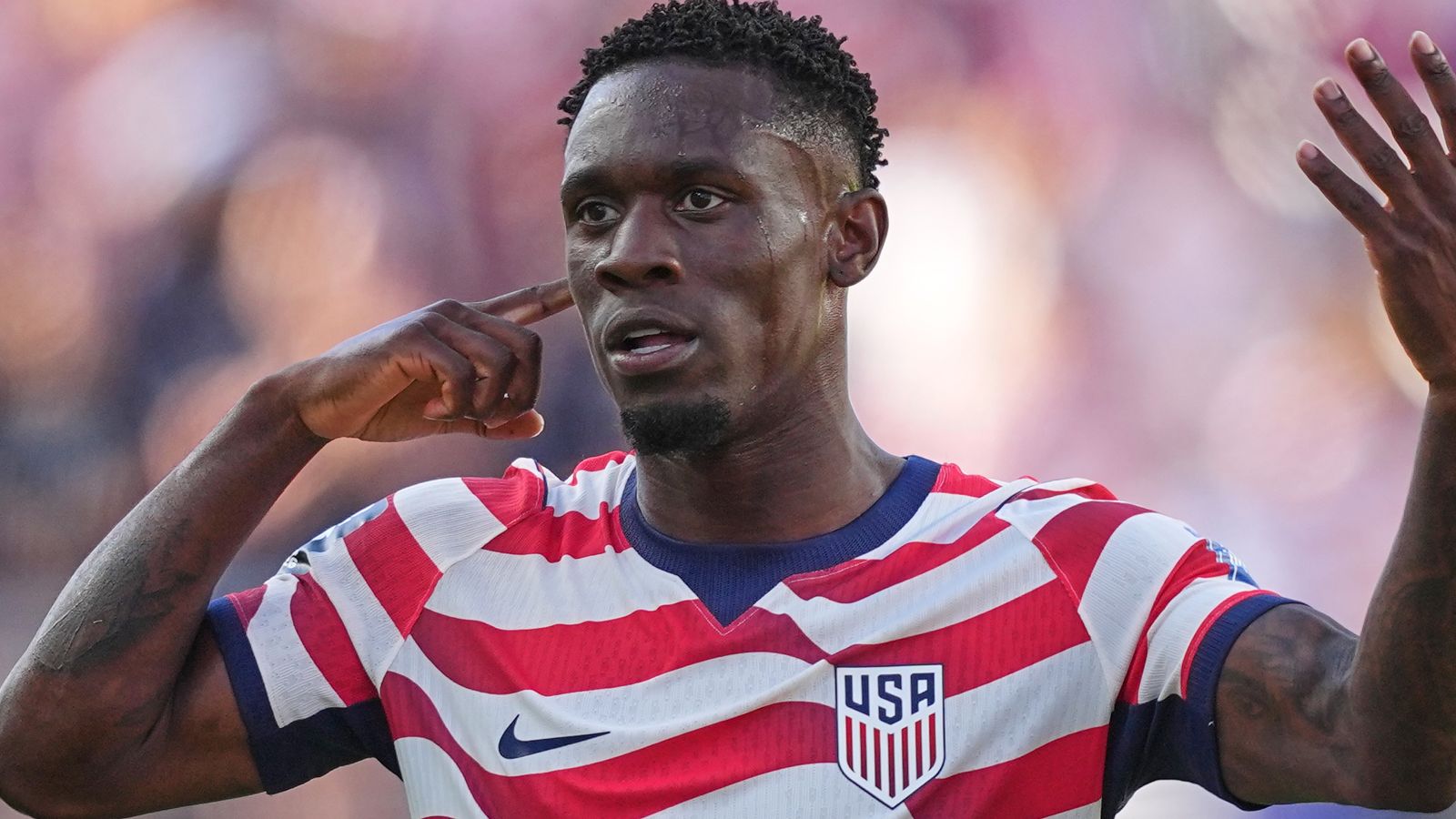
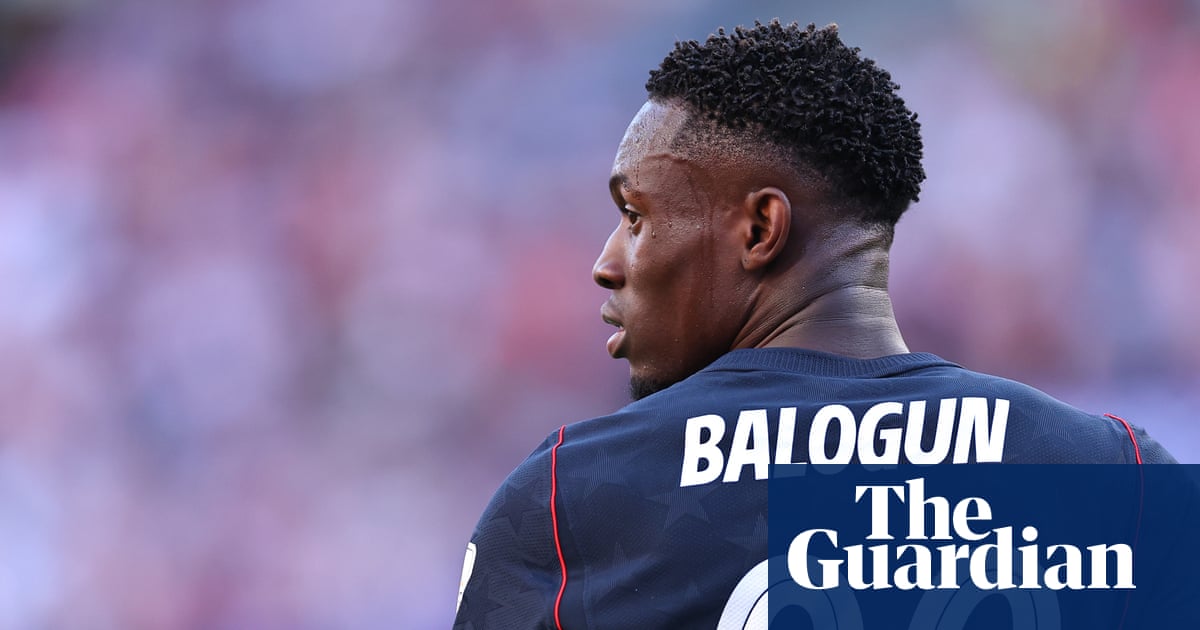
Folarin Balogun has finally addressed the political firestorm that derailed the United States’ World Cup campaign. Speaking to reporters on July 14, 2026, the Monaco striker admitted that the sudden reversal of his suspension created an impossible environment for the squad. What should have been a preparation period for a round-of-16 tie against Belgium instead transformed into a media circus.
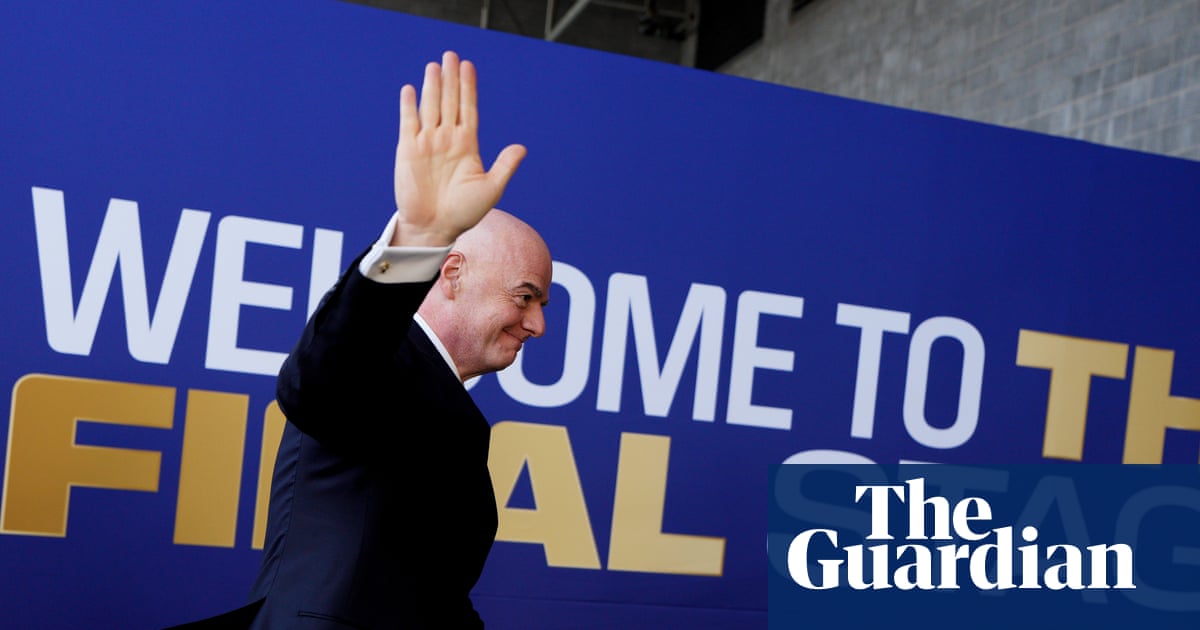
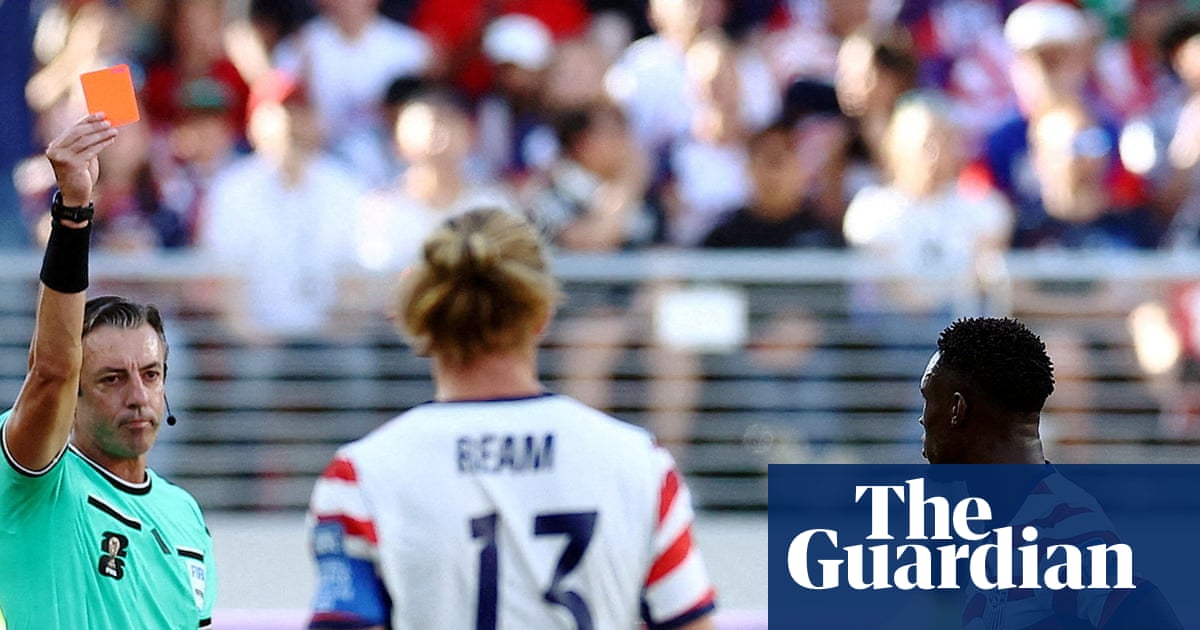
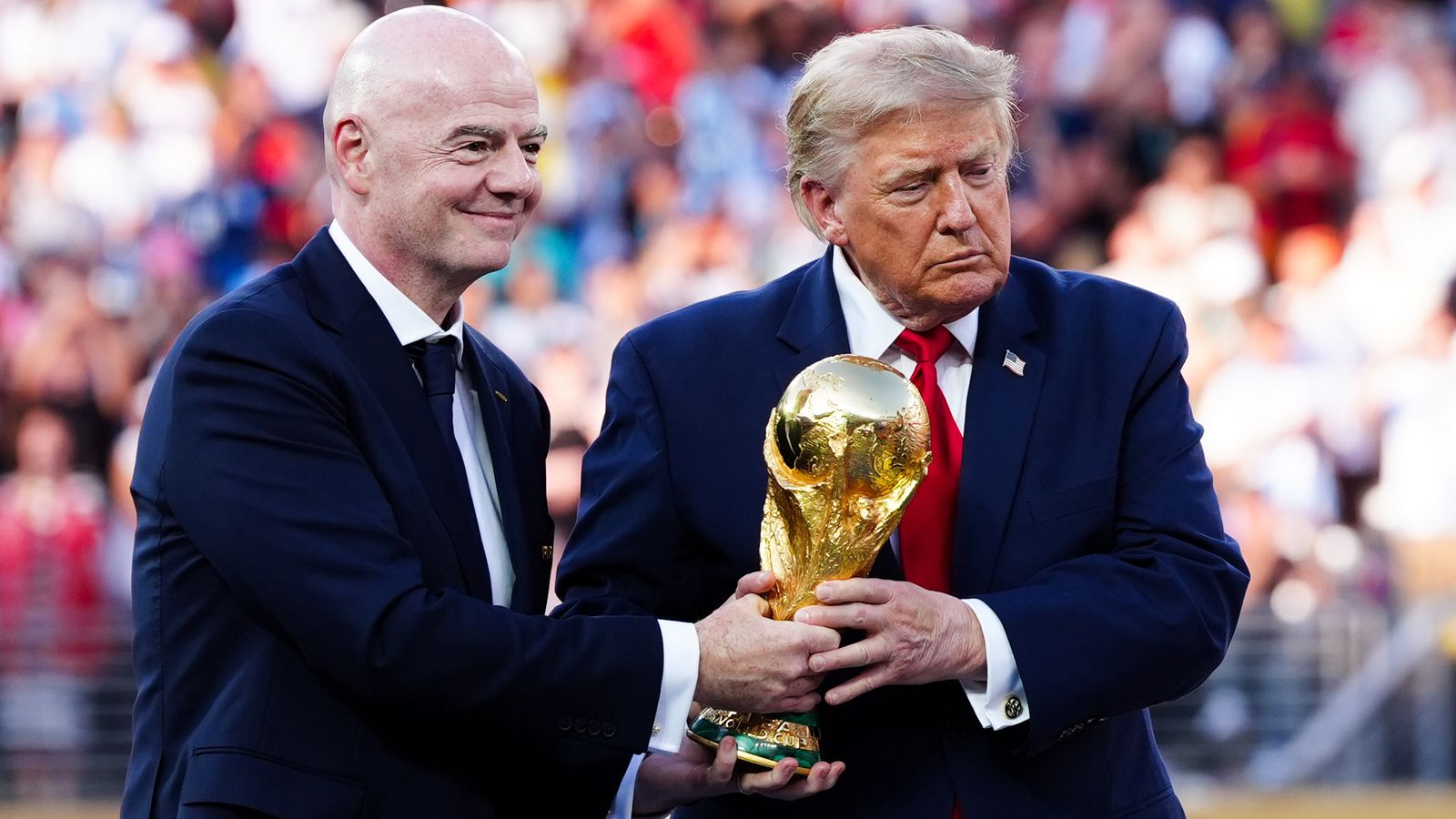
The suspension followed a red card issued in group play, which FIFA officials initially upheld. However, intervention from President Donald Trump reportedly bypassed standard disciplinary channels, allowing Balogun to take the field. This breach of protocol directly sparked the ethics complaints currently surrounding the FIFA president.
Balogun addresses the noise
Balogun did not shy away from the reality of the situation during his media availability. He acknowledged that the distraction wasn't just internal, but a massive weight hanging over the team's professional focus.
I predicted it would cause a lot of controversy. That kind of outside noise is hard to avoid when you are supposed to be focused on your job.
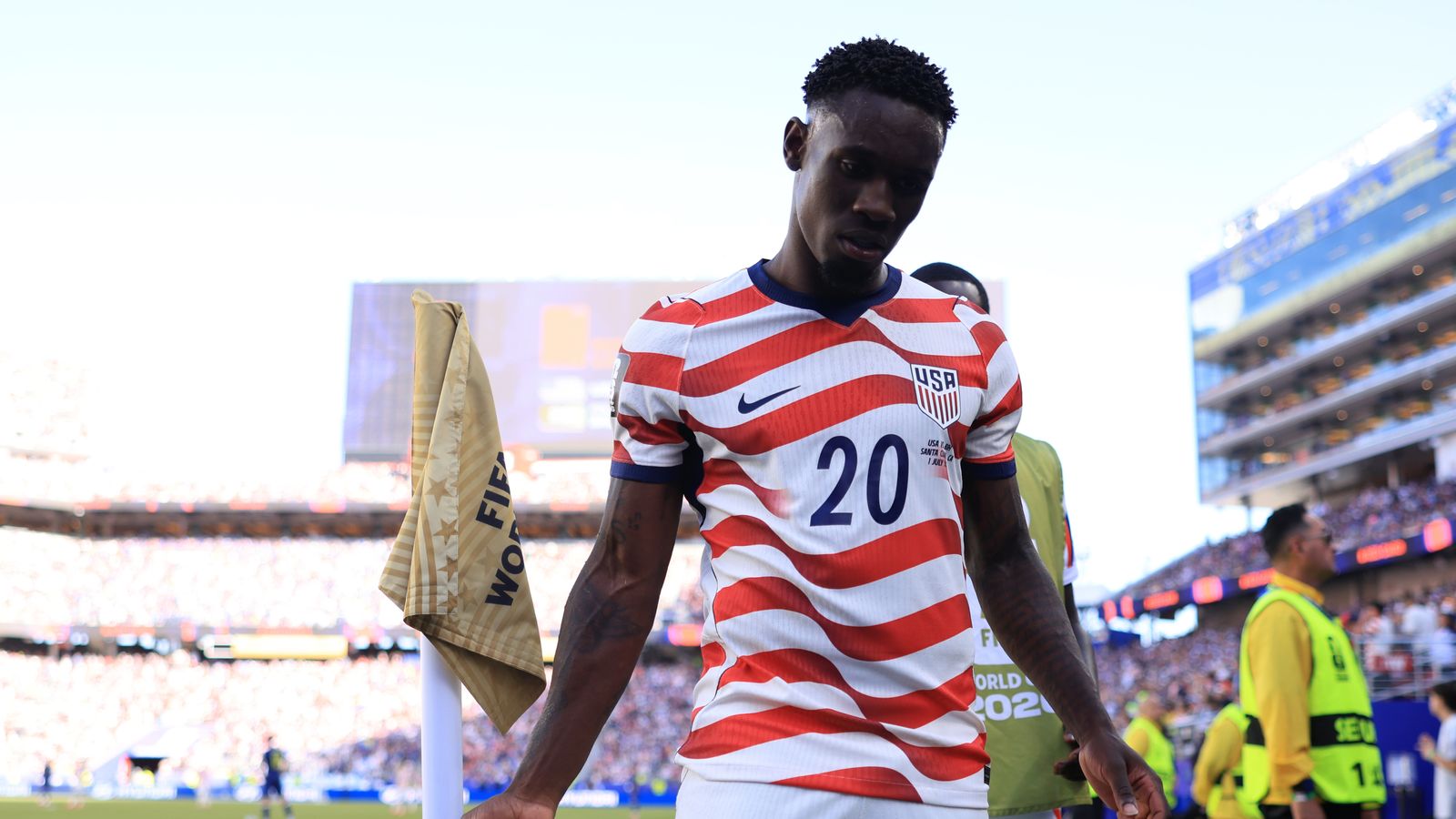
The striker’s comments confirm that the locker room was painfully aware of the optics. While he was physically cleared to play, the psychological toll was evident as the team stumbled toward a lopsided loss against Belgium. The intervention did not provide a competitive advantage so much as it stripped the team of their competitive rhythm.
The political cost of playing
The decision to overturn the ban has left the U.S. national team in a precarious position regarding international perception. FIFA is now facing significant pressure as The Guardian reported, with many member nations questioning the integrity of the tournament’s disciplinary committee. The irony is not lost on observers; the goal was to keep the star striker on the pitch, but the outcome was a degraded performance under extreme scrutiny.
As noted by the Mirror, the distraction fundamentally altered the team's preparation. By effectively bypassing the rules, the governing body signaled that political leverage could supersede match officials. This sets a dangerous precedent for future tournaments where neutral ground is supposed to be the priority.
Tactical failure meets structural chaos
Beyond the political circus, the tactical reality for the United States was grim. Having your star forward involved in a federal-level dispute does not exactly foster cohesion, and the result against Belgium proved it. The team looked disjointed, failing to capitalize on the reprieve they were granted by the intervention.
The defensive lapses against Belgium were a direct reflection of a squad that had lost its tactical compass. When the headlines move from high-press systems to high-level diplomatic phone calls, the game plan on the pitch inevitably suffers. It is difficult to maintain tactical discipline when the integrity of the competition is being debated in real time.
An ethical stain on the tournament
The ethics complaints lodged against FIFA are not minor. They represent a fundamental challenge to the organizational structure of international football. If executive decisions can be swayed by exterior state actors, the authority of the referees is permanently hobbled.
As Sky Sports observed, the conversation has moved entirely away from the quality of play. There is no recovery from this level of scrutiny in the middle of a World Cup. The tournament is meant to be the pinnacle of sporting neutrality; instead, it has become a case study in how to lose control of your own event.
Ultimately, Balogun was left to answer for a mess he did not create. His candor shows a player who understands that professional sports cannot exist in a vacuum, no matter how much those in power want them to. He played the matches, but the damage to the team’s spirit was already done before kickoff.
The 0-3 defeat to Belgium stands as a testament to the fact that money and politics cannot score goals or command a defensive line. The team needed tactical stability, and instead, they received a headache that crippled their tournament run. It serves as a sharp reminder that when the administration becomes the story, the players are the ones who pay the price on the scoreboard.