The shadow over the World Cup
Gianni Infantino is entering the final stretch of the tournament under a cloud of fresh controversy. The FIFA president has been formally reported for his conduct during the lead-up to the England match. This development marks another layer of scrutiny for the global governing body as they attempt to maintain control of the event's narrative.
The details regarding the specific nature of the complaints remain under wraps, but the movement against his conduct is documented. This is not the first time Infantino has faced backlash for his public-facing duties, yet this specific filing comes at an inopportune moment. The pressure on the FIFA leadership was already present; this elevates the stakes significantly.
What this means for the governing body
Infantino has consistently placed himself at the center of the World Cup experience. By frequently interjecting in event matters, he invites this level of external oversight. The formal reporting process suggests that delegates or officials have reached a breaking point with his management of tournament optics.
If the ethics committee finds merit in these reports, it could derail his long-term power consolidation. FIFA has long operated with a reputation for shielded personnel, but public complaints of this magnitude eventually force a response. It forces the organization to choose between defending their figurehead or prioritizing the integrity of their internal processes.
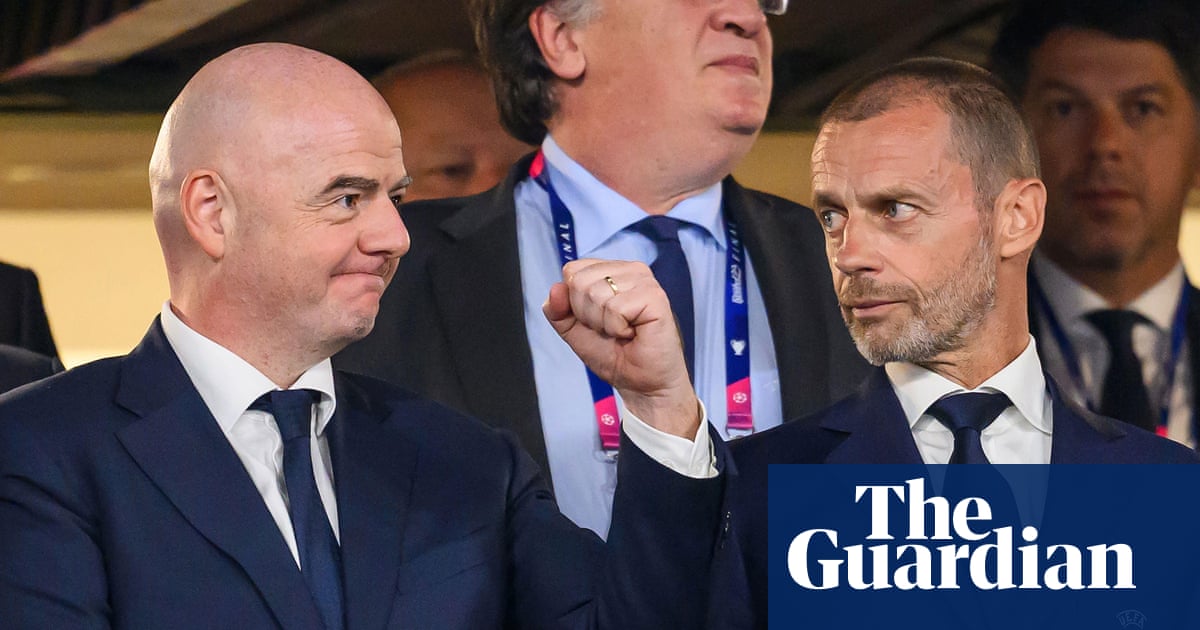
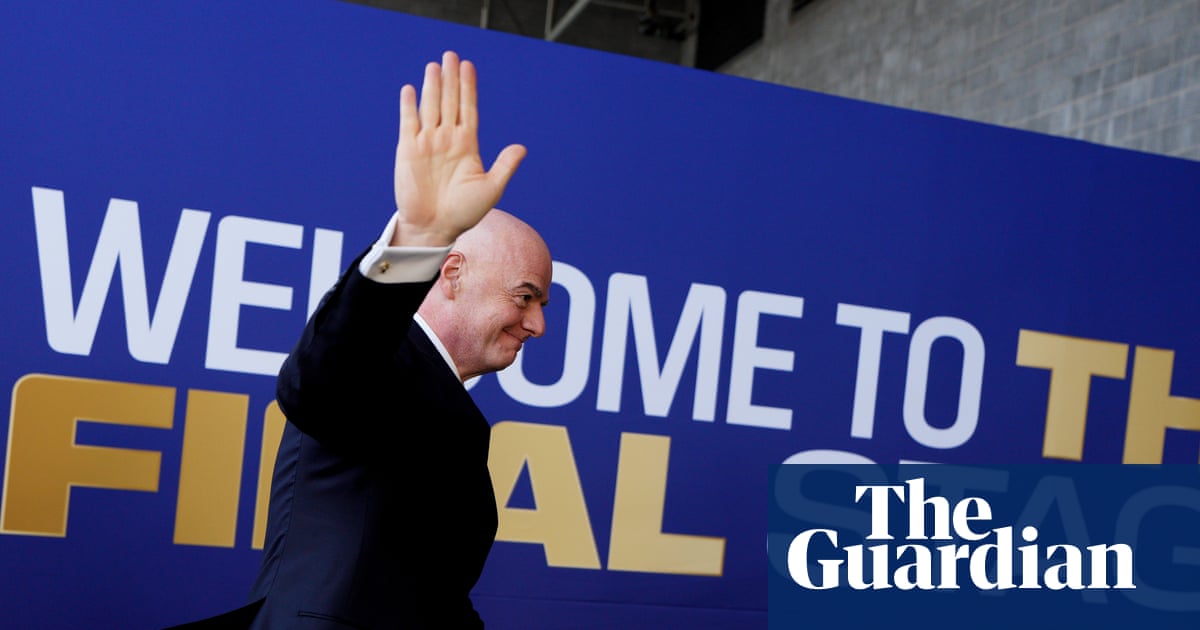
FIFA president Gianni Infantino has been reported for his World Cup behaviour.
This situation adds a layer of tension that filters down to the pitch. When the head of the organization is the story, the players and managerial staffs are forced to navigate PR mines during pre-match interviews. It becomes an unnecessary distraction for the national teams involved, especially those eyeing the knockout stages.
We have seen Infantino survive scandals before by leveraging his base of support among smaller football associations. This time, however, the visibility of his behavior in a high-pressure environment makes it harder to hide behind bureaucracy. The report creates a paper trail that members of the FIFA executive committee can no longer easily ignore.
Tracking the fallout
Observers should watch how other high-ranking officials distance themselves from the controversy in the coming days. If the usual allies stay quiet, it signals that the mood is shifting. Silence from the executive suite is rarely a sign of loyalty; it is often a sign that a transition or a disciplinary measure is in the works.
Looking at the match schedule, there is little room for distractions. The Mirror reported that the complaint reached officials just as the England squad was finalized. Having the architect of the tournament under fire right before a primary fixture puts the organizers on their back foot.
The optics of a FIFA president under investigation by his own ethics board are inherently damaging. It suggests a lack of alignment at the top. When the administration stops functioning as a cohesive unit, the entire tournament structure suffers. We are currently seeing the consequences of a leadership style that favors personality over standardized oversight.
This is a tactical failure in crisis management. Rather than letting the football take center stage, FIFA has again allowed the spotlight to drift back to the executive box. It is a recurring mistake that the governing body seems incapable of fixing. Whether this report leads to meaningful sanctions or is buried by internal maneuvering is the next question.
Keep an eye on the press conferences over the next 48 hours. If the standard talking points are ditched in favor of neutral jargon, expect the situation behind the scenes to be more severe than the official statements imply. Infighting at the top of the pyramid is rarely solved through public apologies. It is usually settled by the removal of the asset causing the friction.
This case is a test of the organization's appetite for reform. If they hold Infantino to the same standards they impose on clubs and players, there might be a legitimate shift in governance. If they offer blanket immunity or dismiss the claims, it confirms that the culture of impunity remains entrenched. The clock is ticking on how FIFA handles this grievance before the next round of matches begins.
The total lack of administrative discipline shown here is striking. You would expect a tighter ship with this much revenue at stake, yet here we are. It is yet another chapter in the decline of traditional oversight within the sport's highest office. The implications for future tournaments are obvious.
The verdict from the stands
The fans care about the game, not the boardroom politics, but they are not blind. When the leadership becomes a lightning rod for bad press, it sours the experience for the traveling supporters. The governing body effectively turns its brand into a target with these kinds of lapses.
If the investigation moves forward, we can expect a scramble for control. Infantino is not the type to bow out gracefully, which means this could get messy for the organization. They are facing a significant credibility deficit, and these complaints only tighten the noose on their current leadership model.