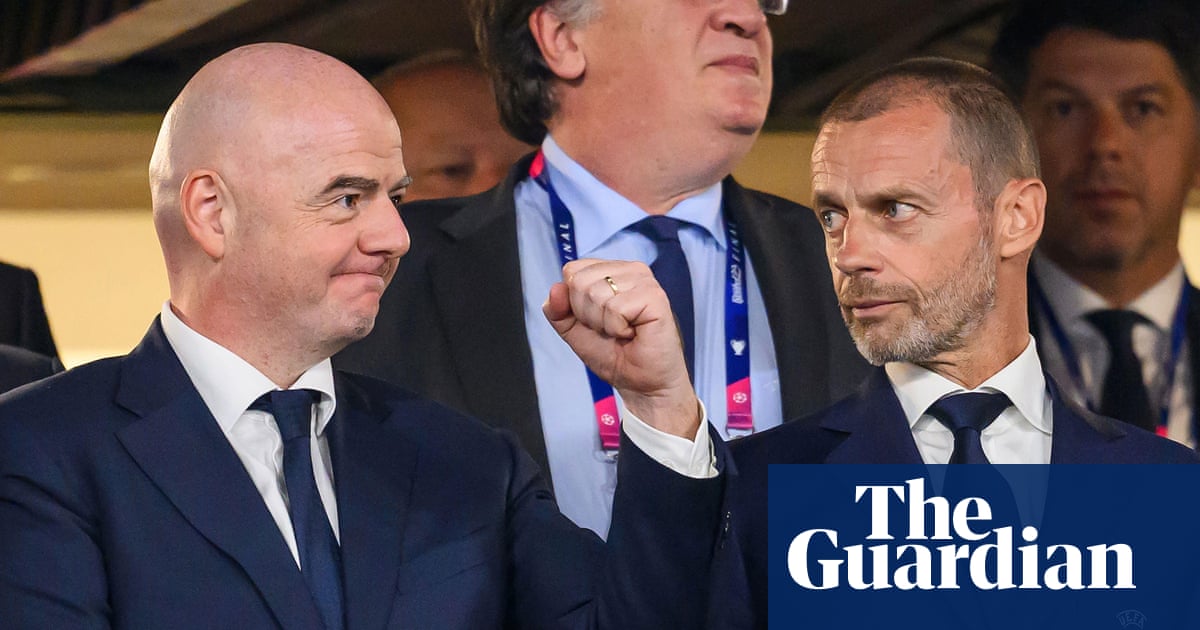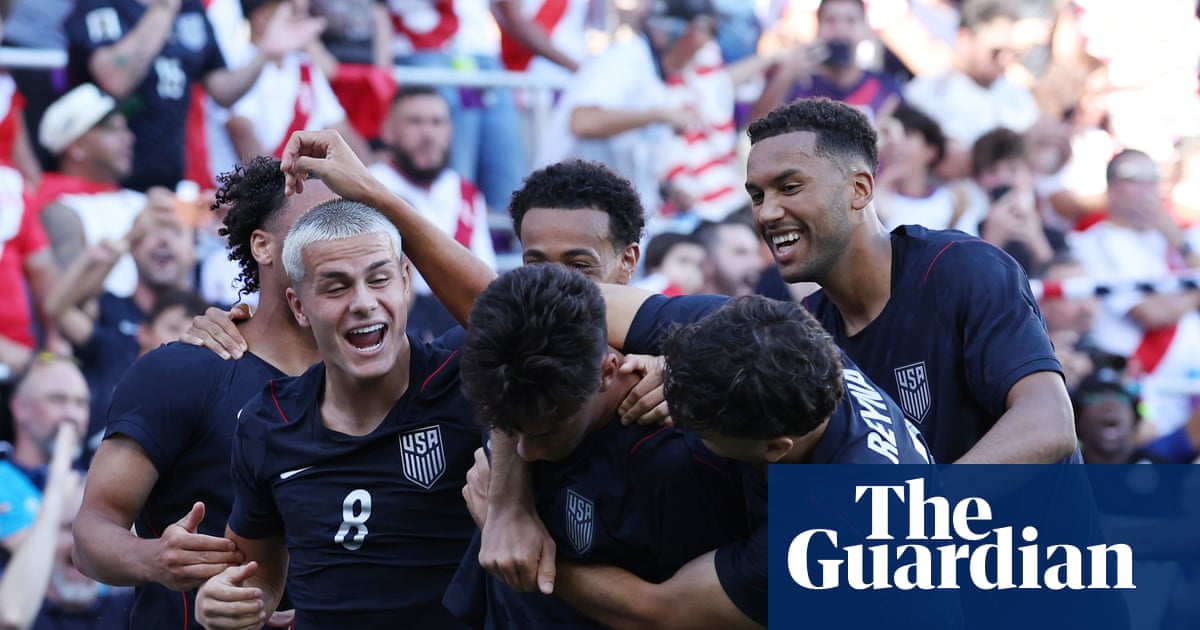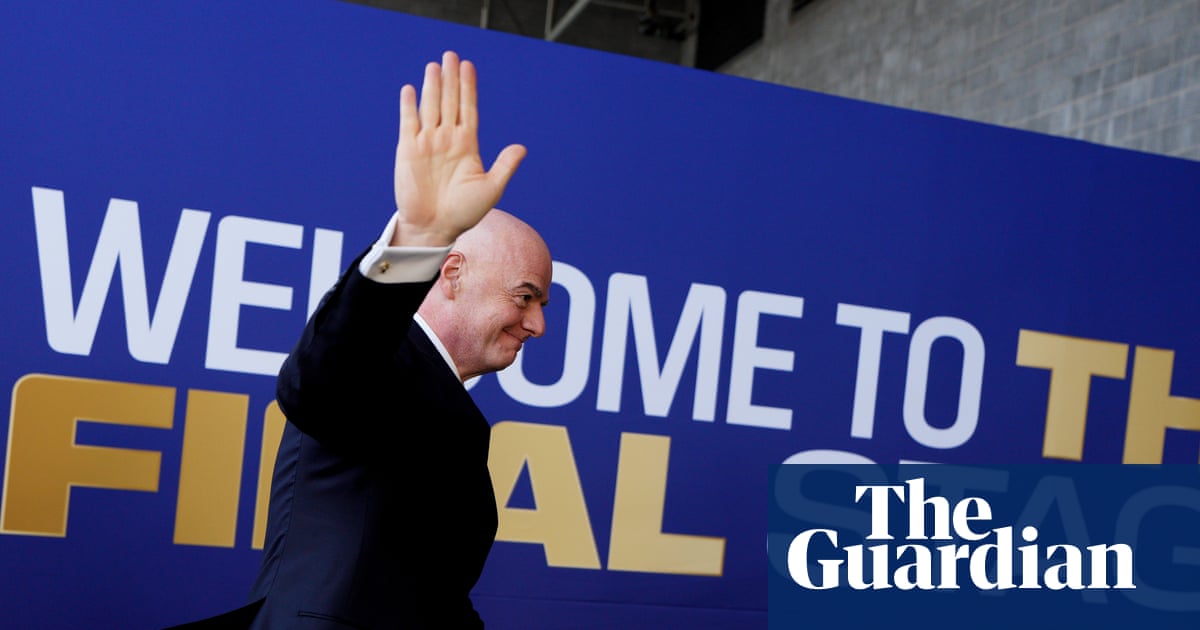
The FIFA bureaucracy strikes again
Pull up a chair, grab a cold one, and let’s talk about the absolute circus that just rolled into town. If you were hoping for a summer of clean competition and fair officiating, I’ve got some oceanfront property in Nebraska to sell you. FIFA has decided that Folarin Balogun’s one-game suspension for the World Cup is essentially optional, a move that smells like a mix of desperation and pure, unadulterated nonsense.
We all knew the United States forward was staring down the barrel of a ban. It’s part of the game. You rack up the cards, you sit in the stands, you think about what you did, and your manager pulls some hair out trying to replace your output. Instead, the big wigs in Zurich decided that rules are really just friendly suggestions if the narrative needs a nudge. As the BBC reported, Balogun himself admitted that this decision was going to invite controversy. When the guy getting the benefit of the doubt is the one signaling that it feels wrong, you know the process is officially broken.
Nerves in the locker room
You can see the cracks forming in the U.S. squad already. Balogun mentioned the decision brought nerves to his teammates, and honestly, can you blame them? It’s hard to build a collective identity when the referees are playing by a different rulebook than the one agreed upon in the preseason. It’s like playing poker where the dealer decides your pair of Jacks beats a Royal Flush just because the house wants a bigger pot.
This isn’t just about the USMNT getting a lucky break. It’s about the credibility of the entire tournament structure. Every other player who sits out due to accumulated yellows or red cards is now sitting there wondering why they bothered playing with discipline. If FIFA starts waiving suspensions, the precedent is set. It’s a joke, and it’s a bad one.
The stench of inconsistency
Let’s be real about the optics here. You don't have to be a tactical genius to see that this decision is a stain on the integrity of the bracket. We have seen the fallout of previous high-stakes refereeing messes, and this feels like a sequel nobody asked for. Is it a geopolitical chess move? Is it a ratings grab? Does it even matter? It just ruins the flow of the tournament.
The U.S. team now has to deal with the inevitable target on their backs. Every fan in the stadium is going to be screaming every time Balogun touches the ball. He’s been gifted a reprieve, but it’s the kind of gift that comes with a sour taste. If he scores the winner in the next round, the asterisk next to his name is going to be the size of the moon. It’s sloppy, it’s unnecessary, and it perfectly encapsulates why it’s impossible to trust the governing body of this sport as far as you can throw a grandstand.
The officiating, or lack thereof, has been a recurring theme. We are looking at a tournament where the 1-0 scorelines feel less like tactical masterclasses and more like survival drills against the officials. When the dust settles on this World Cup, we are going to look back at the Balogun incident as the moment the officiating standards really hit the floor. It’s a messy business, and frankly, I expected better, even from FIFA.