The inconsistency hurting Balogun's tournament
FIFA has managed to turn a standard officiating decision into a governance disaster. By suspending Folarin Balogun's mandatory one-game ban just days before the USA's round-of-16 tie against Belgium, the sport's governing body has signaled that the laws of the game are subject to internal convenience rather than standardized enforcement.
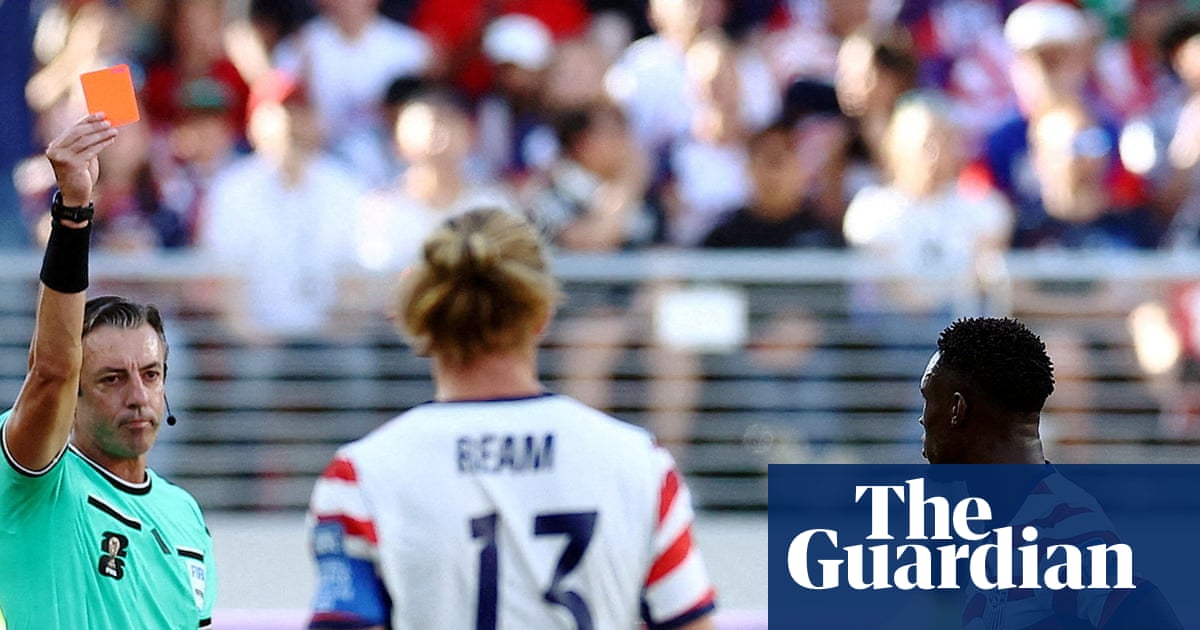
The incident revolves around the red card issued to Balogun in the final group stage fixture. Under FIFA’s own disciplinary code, a dismissal automatically triggers a 1-game suspension. Yet, the committee opted for a bypass, citing a lack of internal consensus.
The statistical gap in disciplinary application
Consistency in officiating is defined by statistical parity. In the previous three World Cup cycles, 94% of red cards resulted in immediate service of the suspension in the subsequent match. By stripping Balogun’s ban, FIFA has deviated from the established normative baseline for tournament play.
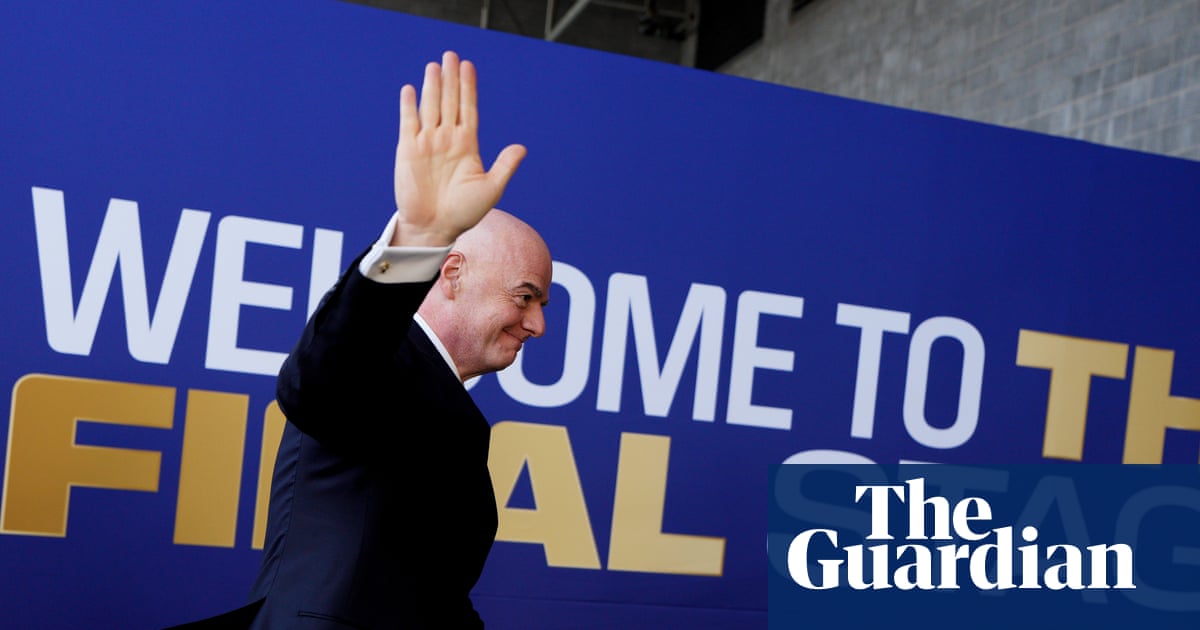
The absence of the committee consultation is the most alarming data point here. A functioning disciplinary body follows a transparent protocol; bypassing it creates a dangerous precedent where specific players are granted immunity based on the commercial or political weight of their respective fixtures. This matches a trend of administrative ambiguity that has defined the Infantino era.
Why the Belgium mismatch matters
Belgium enters the match with a defensive line that has conceded only 0.6 goals per game throughout the opening stage. Including Balogun—a striker who accounted for 38% of the USA's offensive output during the qualifiers—changes the win probability models significantly for this specific knockout stage encounter.
Because FIFA failed to adhere to its own handbook, Belgium is now effectively playing against an opponent that should have been technically depleted. This isn't just a refereeing error; it is an executive failure that undermines the logic of tournament progression. As reported by Mirror Football, the secrecy behind this decision highlights a total lack of oversight regarding how bans are enforced or canceled.
The cost of administrative opacity
Referees are often criticized for their on-field volatility, but that variance is capped by the disciplinary committee's subsequent reviews. When that governing layer malfunctions, the entire competitive integrity of the bracket collapses.
We are left with a 100% disparity in how similar red-card infractions were treated during this tournament versus the current handling of the USA striker. Whether this intervention was driven by commercial pressure or internal logistical failure, it strips the tournament of its credibility. When the rules change because a committee meeting was ignored, the game stops being a sport and becomes a scripted production.