The vanishing act at the global stage
The 2026 World Cup was marketed as the ultimate intersection of American spectacle and geopolitical soft power. Yet, as we hit the middle of July with the business end of the tournament approaching, the conspicuous absence of Donald Trump from the VIP suites is becoming the narrative that refuses to die.
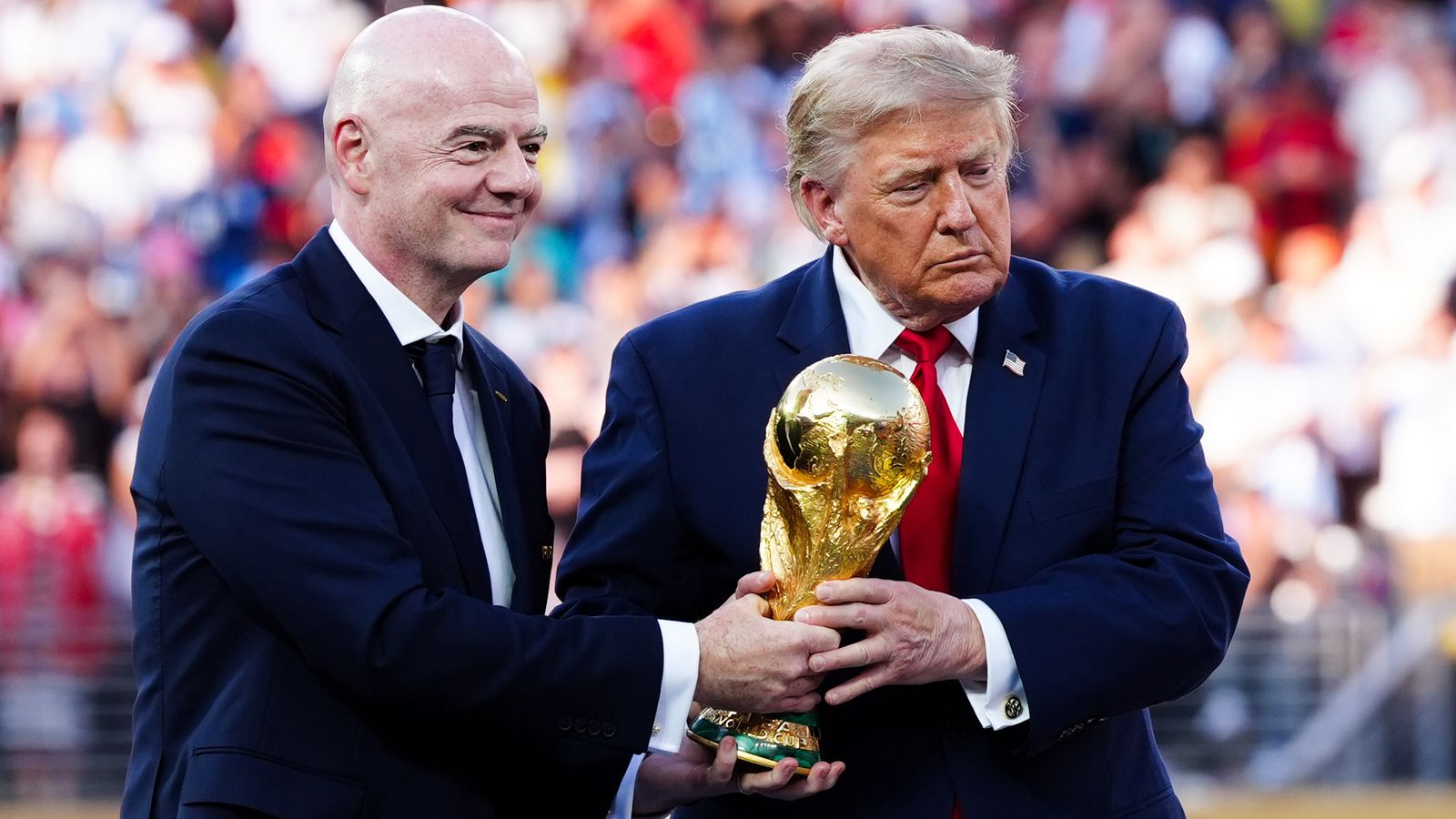
FIFA officials recently fielded questions regarding his attendance, yet the reality remains cold and transactional. Despite his heavy involvement in the initial lobbying and the aggressive branding of the U.S. pitch back in 2018, the match days have passed without a single appearance from the former president. It exposes a mismatch between the governing body's expectations and the actual engagement of the people they courted.
The infrastructure of optics
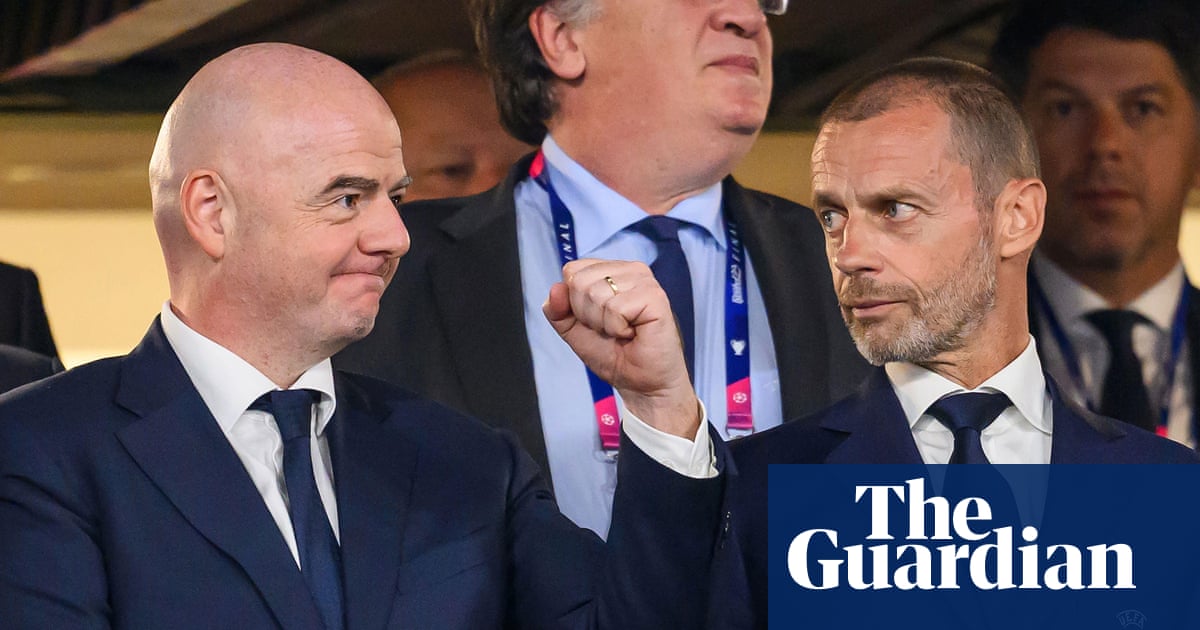
Gianni Infantino has spent years building bridges with political heavyweights to secure the World Cup planning across North America. When you look at the logistical planning that went into hosting games in states with vastly different political leanings, the presence of a polarizing figure like Trump served as a buffer for the narrative that this was a truly united project.
By staying away, the optics shift from a celebration of the sport to a reflection of isolationism. FIFA clearly banked on the photo-ops. Instead, they are left managing press conferences explaining why their most vocal advocate is nowhere to be found near the pitch. This creates a vacuum in the media strategy that even the most high-stakes match cannot fill.
Predicting the final fallout
I am calling it now: Trump will not attend the final, regardless of who makes it to the MetLife Stadium pitch. The calculation has likely shifted. When you analyze the FIFA confirmation regarding his silence, it suggests a complete breakdown in the communication channels that were active during the bid phase.
The risk of being booed by an international crowd or being associated with a FIFA organization currently under intense scrutiny for ticketing issues is too high. Politicians generally avoid venues where they cannot control the microphone or the audience. This isn't just a scheduling conflict. It is a strategic retreat from an association that no longer pays political dividends for him.
The danger of missing the mark
Perhaps the most damning aspect is the lost opportunity for the sport itself. Soccer in the United States needs institutional consistency to grow, and relying on personalities to drive the tournament forward is a fragile strategy. The failure to show up is a critique of the tournament's own marketing, which leaned heavily on nationalistic pride rather than the quality of the product on the pitch.
Fans deserve better than political shadowboxing while they are waiting for the opening whistle at an 85,000 capacity stadium. If FIFA continues to prioritize these types of political alignments over genuine grassroots integration, they are destined to repeat these mistakes in 2030 and beyond. The game remains, but the guest list has officially turned into a liability.