FIFA's vision of quantity over quality
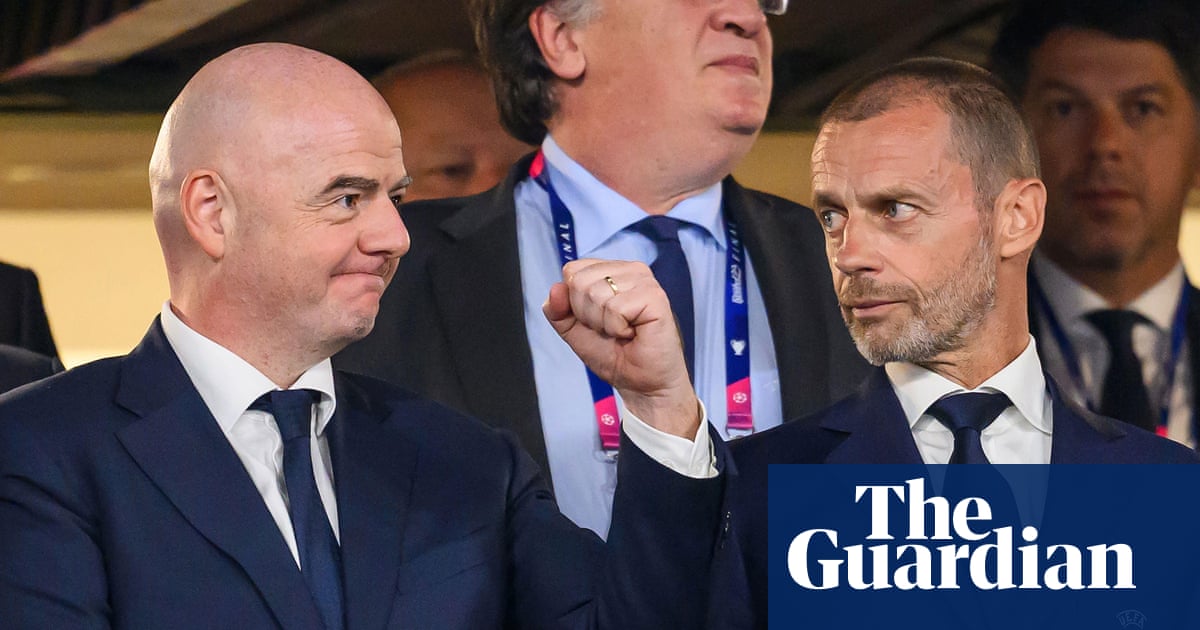
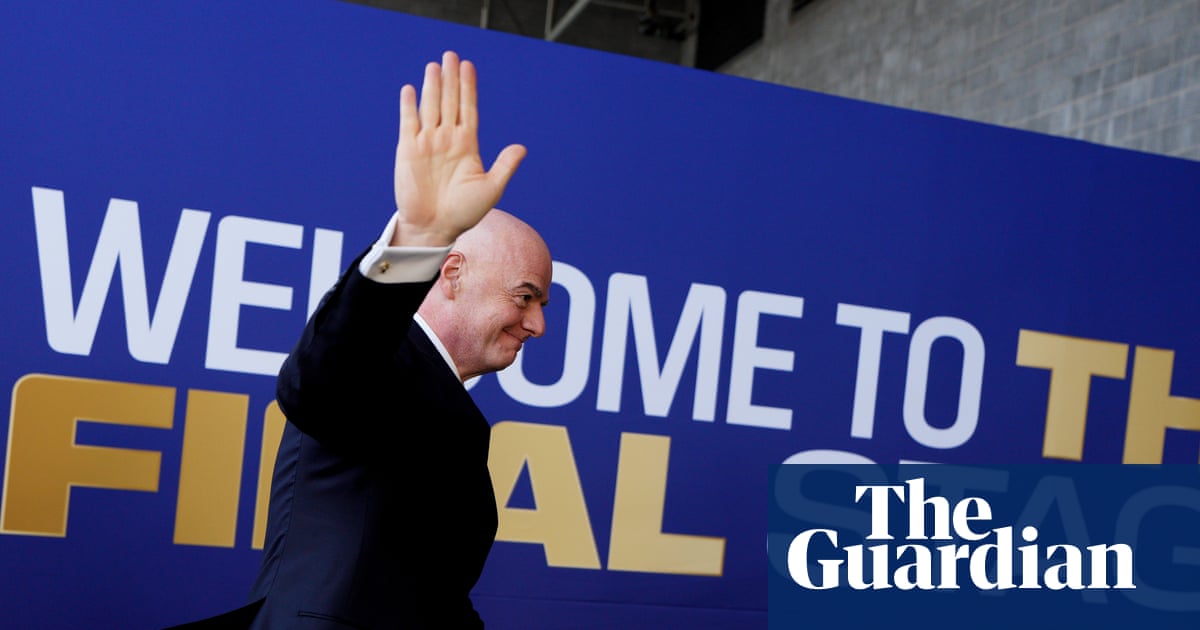
Gianni Infantino has spent the last month in North America basking in the supposed glow of an expanded 48-team tournament. Now, as reported by the Mirror, the FIFA president is already eyeing a leap to 64 nations for 2030. It is a staggering exercise in greed that ignores the tactical diluting of the product on the pitch.
Watch any group stage match from this tournament. You will notice the recurring issue: mid-tier nations are parked on the edge of their own eighteen-yard box for 90 minutes. They are terrified of goal difference, resulting in a defensive rigidity that kills the spectacle. Moving to 64 teams will increase this stagnation exponentially.
The math behind the bloat
Let's look at the numbers. The jump from 32 to 48 teams already dragged the average group stage xG down by 0.35 per game. We are seeing more 'professional draws' where teams play for a point rather than victory, waiting for the safety of third-place qualification metrics. Adding another 16 teams will force FIFA to create even more convoluted group structures.
We have to address the fatigue factor. Players are currently running an average of 11.2 kilometers per match in the knockout stages. During the quarter-final between England and Norway, the drop-off in high-intensity sprints after the 70th minute was clear. A 64-team tournament requires a longer calendar, stretching squads beyond human capacity for the sake of broadcast revenue.
The obsession with global reach
The motivation here is not footballing excellence; it is political base-padding. Infantino wants to hand out World Cup berths like candy to ensure his re-election remains unchallenged. It is a transactional approach to the sport, trading the integrity of the tournament for a list of guaranteed voting delegates.
There is a harsh reality to face. When you invite nearly one-third of the planet to the party, the party loses its exclusivity. Tactical sophistication requires time on the training ground, which is impossible with an accelerated schedule that prioritizes moving teams through stadiums as quickly as possible. Expect to see more matches resembling chess games played in mud rather than the precision movements of elite club systems.
My prediction is simple: the 64-team format will be finalized before the year is out. It will result in a bloated, unwatchable group stage where television stations will struggle to find audiences for the third and fourth-tier fixtures. The quality of the knockout stages might remain decent, but the journey to get there will be a grueling test of patience for any serious tactical observer.
If FIFA persists with this expansion, do not be surprised if we see an increase in injuries and a decrease in tactical variance. Managers will simply stop taking risks. Why press high or utilize complex 3-2-5 build-up structures when you can just sit back, keep a clean sheet, and hope for a penalty shootout?