FIFA removes English officials from final tournament bracket
The English contingent of referees has been sent home. FIFA officials finalized the selection for the concluding matches of the 2026 World Cup today, and for the first time in recent memory, no Premier League representatives remain in contention for the final. The news marks a significant departure from expectations back in June.
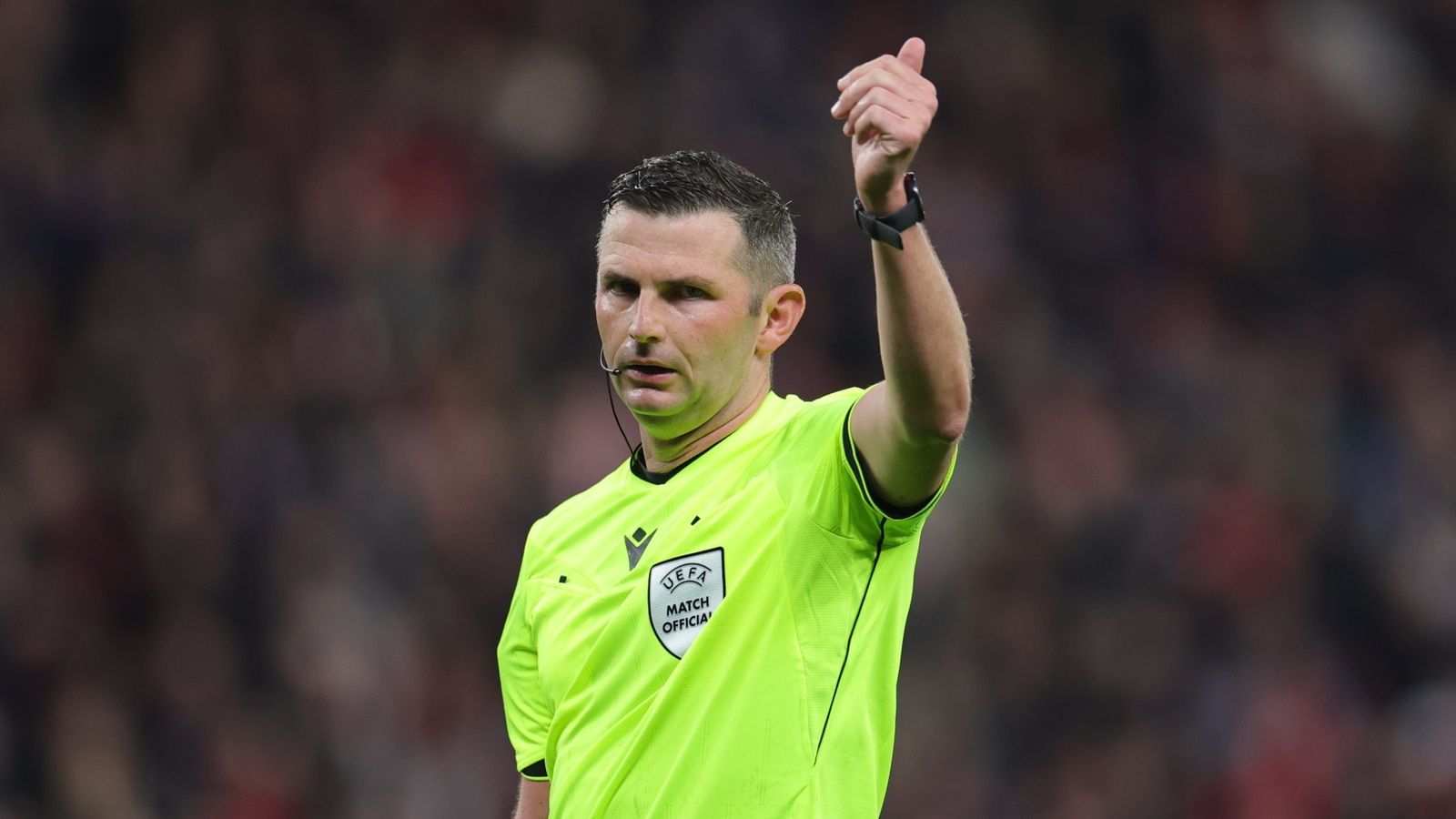
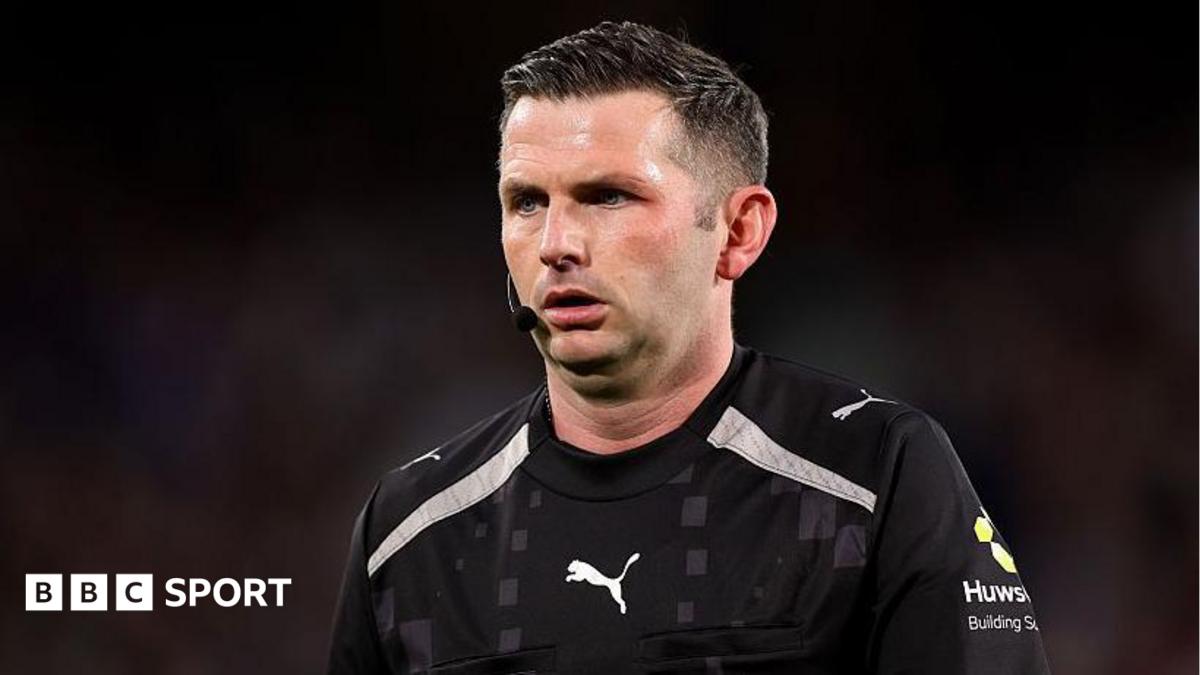
Michael Oliver, widely regarded as the top tier of the domestic officiating list, has been pulled from consideration. Sources inside the refereeing body suggest the decision stems from oversight regarding internal consistency rankings rather than a specific officiating blunder during the quarterfinals. The move effectively shuts the door on England’s involvement in the officiating of the tournament’s last act.
Why the English officials were bypassed
The selection process for the final stages of the World Cup relies on a proprietary performance metric. While Oliver and his crew maintained high marks during the group stages, the competition for the final spots intensified after the elimination rounds. FIFA maintains a rotating panel of officials to ensure regional balance.
As The Mirror reported earlier today, the decision was communicated to the English camp during a closed-door briefing at the tournament headquarters. The timing is jarring given the pedigree of the officials involved. The exclusion suggests that the governing body prioritized neutrality over personal reputation in the final rounds.
The lack of English presence in the final quartet of officiating teams creates a vacuum for leadership on the pitch. Critics argue this decision highlights a regression in how overseas organizations view the standard of play management in the Premier League. When the game slows down in the dying minutes, officials accustomed to the frantic, high-contact style of English football are usually preferred, not sidelined.
Impact on the tournament outcome
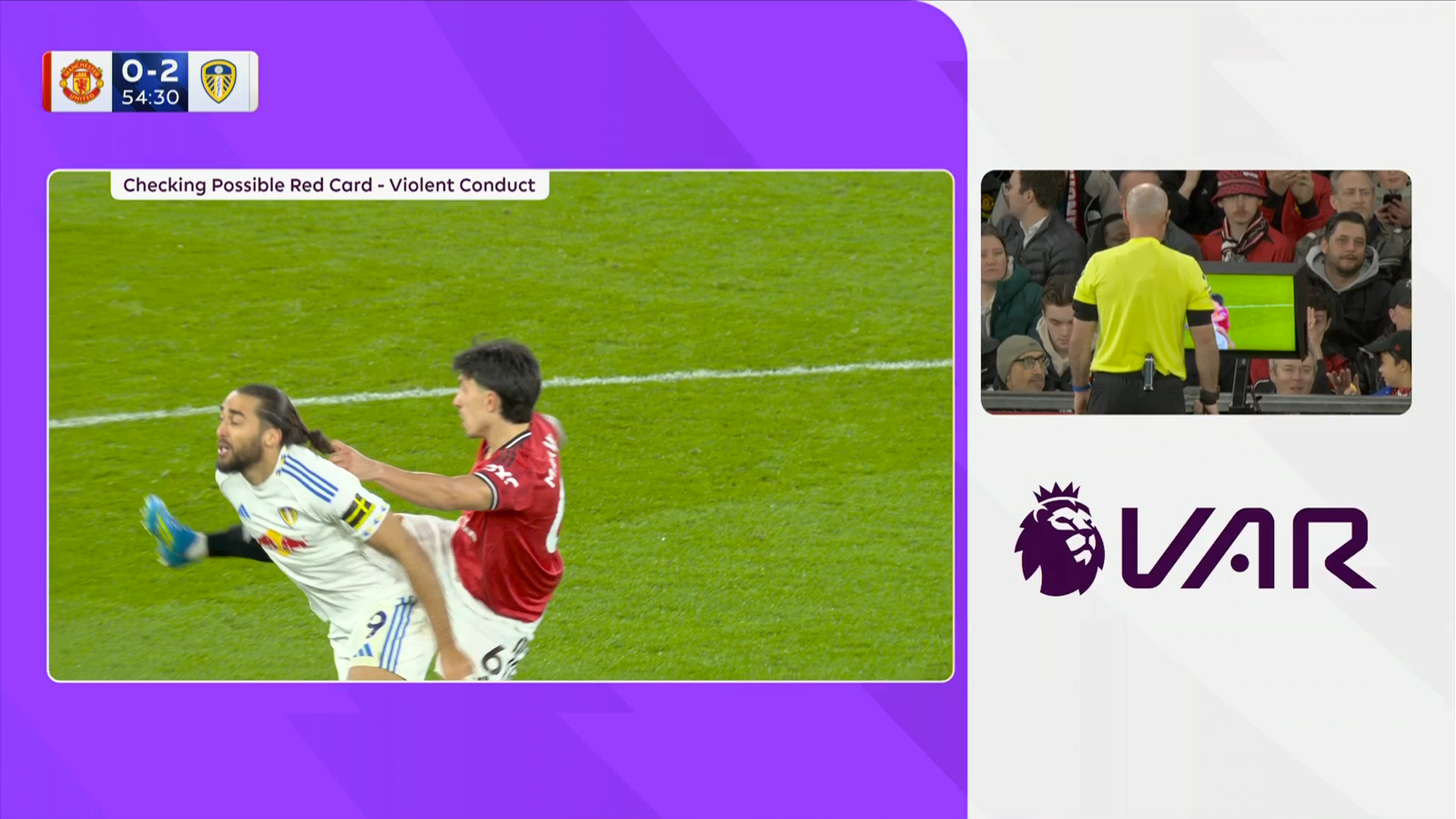
With only four nations left, the pressure on the remaining refereeing pools is immense. The removal of the English team forces a reshuffle of the VAR monitors and fourth officials, a move that could disrupt the established flow of the tournament’s waning days. Teams remaining in the competition typically prefer continuity in officiating standards.
The scrutiny on refereeing has been consistent throughout this tournament. From high-speed offside calls to the management of stoppage time, the margin for error remains thin. By removing the Premier League officials, FIFA is signaling a desire to avoid the specific interpretation quirks that English officials often bring into high-stakes international environments.
The shift also poses questions about the future development of young referees within the UK. If the top-rated official in the country cannot crack the final rotation, it creates a potential stagnation point for the pathway of domestic talent. The domestic game relies on the prestige of its officials getting international tournament experience to bring back fresh perspectives to league play.
What this means for the Premier League
The impact will hit the Premier League long before the next domestic season kicks off on August 15. Referee appointments for the first few weeks are often informed by their performances on the world stage. Oliver will return to the domestic circuit with a point to prove, but the psychological blow of being bypassed for the biggest match in the sport is difficult to ignore.
The officiating standards board must address this trend. If English referees are perceived as incompatible with international standards, the league risks losing its status as a breeding ground for world-class match control. We are talking about the highest level of the game, where the 1% margin determines the legitimacy of the result.
There is also the matter of consistency. Officials who spend the year adjusting to the subjective nature of international fouls often bring a different energy to their domestic matches. By being excluded, Oliver and the others miss out on the final high-pressure environment that sharpens the mind for the upcoming season’s title races and relegation battles.
Looking ahead to the final whistle
The four remaining teams will now be officiated by personnel who have navigated the specific volatility of this tournament's knockout phase. FIFA is clearly hedging against any potential scrutiny regarding bias or tactical interpretation during the deciding moments of the final. The goal is a clean game, free from the controversy that often follows English officiating in international play.
The exclusion is a stinging rebuke for those who claimed English officiating had set a new benchmark for excellence. Instead, the final match will take place without the influence of the most recognizable faces in the game. Whether this leads to a better or worse match is entirely subjective, but the lack of an English presence will certainly be a talking point.
The final game is scheduled for July 19. By that time, the discussion will pivot from who is officiating to what the result means for the history of the sport. For now, the takeaway is clear: the elite tier of match officials in the world is currently operating without a heavy English influence.
With no English officials involved, the officiating committee is banking on a sterile, controlled match. This approach assumes that consistency is more reachable when officials are removed from their typical domestic environments. Time will tell if the lack of household names in the refereeing booth results in fewer post-match complaints from the competing finalists.
Read Next
- VAR's identity crisis is ruining the World Cup
- Jude Bellingham just dunked on every single hater in the press box
- England vs Argentina: The tactical cage trap is failing at the wrong time
- Declan Rice played through the sickness and it shows in his numbers
- 🏆 World Cup 2026 — Full Coverage Hub
- 🏆 World Cup 2026 Final — MetLife Stadium Hub