The Headline Agreement in New York
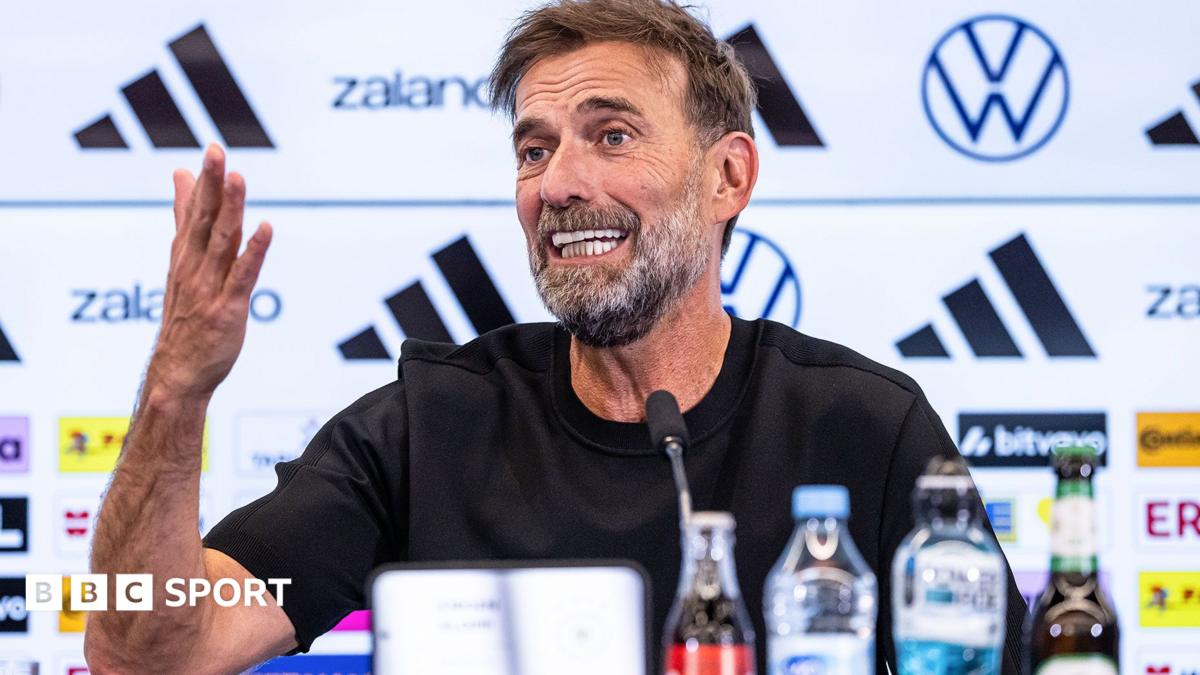
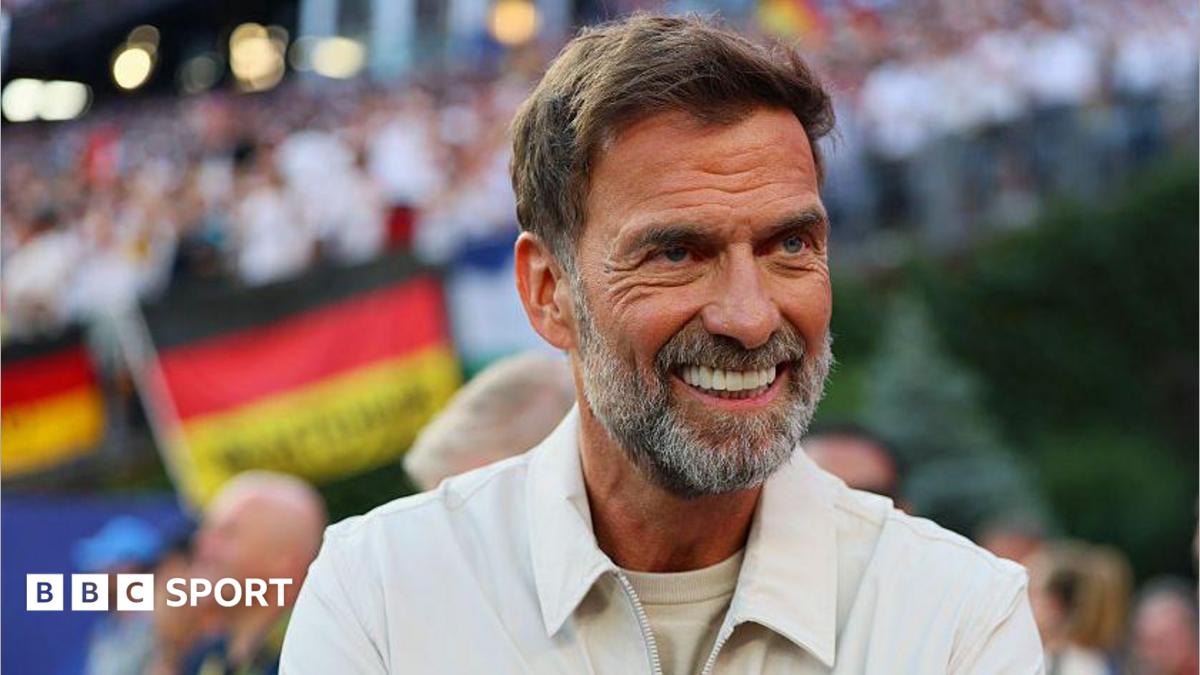
This is a Tier 1 development. According to a recent flash report from the BBC, the German Football Association (DFB) has secured a deal in principle with Jürgen Klopp. The DFB acted with speed to fill the vacuum left by Julian Nagelsmann.
Negotiations took place in New York over the last few days. DFB President Bernd Neuendorf and Vice-President Hans-Joachim Watzke flew to the United States to meet with Klopp. The talks were productive, resulting in a verbal agreement on the key parameters of the job. Klopp is ready to return to frontline coaching after a short break from the pressure.
Klopp has been out of club management since leaving Liverpool. His previous tenure at Anfield lasted nine years, where he won both the Premier League and the Champions League. He recently took a corporate role, rejecting interest from several major European clubs and other national associations who wanted him to lead their projects. The lure of the national team has pulled him back. This is the job he has always coveted.
The Resignation of Nagelsmann
Julian Nagelsmann resigned as head coach on July 3, 2026. His departure followed a disastrous World Cup campaign that shocked the nation. Germany crashed out in the Round of 32, failing to meet even modest expectations.
The final blow came in the match against Paraguay. Germany struggled to break down a defensive low block and ultimately lost 4-3 on penalties after a 1-1 draw. The team finished the tournament with only one win. The pressure from fans and media made Nagelsmann's position untenable.
Nagelsmann's possession-based style had failed to deliver results. The team looked sluggish and lacked a clear identity on the pitch. The DFB knew they needed a manager who could restore pride and passion. Klopp was the only logical candidate to lead the rebuild.
The New York Summit
The DFB delegation presented a long-term vision to Klopp in New York. Watzke has a close relationship with Klopp from their time together at Borussia Dortmund. This personal connection was key to opening negotiations.
Watzke and Neuendorf wanted to make a statement — and they did. The discussions focused on how to rebuild the national team's culture. Both parties left the meeting confident that a deal could be finalized quickly. The preliminary agreement contains several key points:
- A four-year commitment running until the summer of 2030
- An estimated annual salary of approximately €7 million
- The inclusion of trusted backroom staff members
The Red Bull Release and Exit Clause
The deal is not entirely complete. Klopp is currently employed by Red Bull as their Head of Global Soccer. He signed a long-term contract with them in January 2025. The DFB must now negotiate a release with the company.
This hurdle is manageable but requires delicate negotiation. Red Bull does not want to lose Klopp after only eighteen months in his role. However, they are also aware of his desire to coach the national team.
DFB officials are working to find a creative solution. They want to avoid a massive compensation payout. Red Bull is open to talks, but they will want some form of compensation or partnership agreement.
The Verbal Escape Hatch
When Klopp joined Red Bull, he reportedly negotiated a verbal exit agreement. This clause allowed him to leave if the German national team job became vacant. Red Bull executives have publicly denied the existence of a formal release clause.
Despite the denials, sources close to the negotiations confirm that Red Bull will not block the move. They want to maintain a good relationship with Klopp. Standing in the way of his dream job would create negative publicity.
The verbal agreement is now being translated into a formal exit strategy. Lawyers from both sides are reviewing the contract terms. The goal is to reach a settlement that satisfies Red Bull without draining the DFB's budget.
Negotiating the Settlement
Negotiations between the DFB and Red Bull will continue next week. The DFB hopes to finalize the release by the end of the month. Watzke is leading the talks on behalf of the federation.
Red Bull is expected to request a friendly match or a youth development partnership as part of the compensation. This would allow them to save face while letting Klopp walk. The DFB is open to these terms.
A clean break is in the best interest of all parties. Red Bull needs to start looking for a replacement for their global soccer operations. The DFB wants to announce Klopp before the next round of international fixtures.
Tactical Fit: Unlocking Wirtz and Musiala
Klopp's tactical philosophy is well known. He favors a high-intensity, vertical style that relies on immediate pressing after losing possession. This approach requires players to run constantly and make quick decisions.
This style is a sharp contrast to Nagelsmann's possession-heavy approach. Nagelsmann preferred slow buildup play and structured positioning. Klopp will demand a much faster tempo. He wants his teams to attack before the opponent can organize their defense.
The transition to Klopp's style will be a shock to some players. Germany has many technically gifted midfielders but lacks physical dynamism. Klopp will need to find a balance between creative talent and physical work rate.
Gegenpressing on a Tight Schedule
The biggest challenge for Klopp will be the international calendar. Gegenpressing requires intense physical conditioning and constant tactical drilling. Club managers have months to implement these concepts during pre-season.
Klopp will only have a few days with his players during international breaks. This limited time makes it difficult to build the automatic movements required for his system. He will have to simplify his pressing triggers.
If he demands too much physical exertion, players will return to their clubs exhausted. This could lead to conflict with club managers. Klopp must adapt his style to fit the realities of international football.
The Playmaker Dilemma
Germany's greatest strength is its attacking midfield talent. Florian Wirtz and Jamal Musiala are among the best young playmakers in the world. Both players thrive when given freedom to create.
Klopp must find a way to integrate both players into his system. In his Liverpool team, the creative burden was often carried by the wingers and full-backs. The midfielders were primarily runners who covered space.
Wirtz and Musiala cannot be relegated to mere workhorses. Klopp will need to adjust his 4-3-3 shape to accommodate their creative skills. Finding a defensive midfielder who can cover behind them will be his first priority.
Skepticism, Financials, and Expected Impact
The news of Klopp's agreement has received a mixed response in Germany. While most fans are excited about his tactical pedigree, some remain critical of his recent career choices.
Klopp's decision to join Red Bull last year was highly controversial. German football fans pride themselves on traditional club ownership models. They viewed his move to a corporate network as a betrayal of those values.
Taking the national team job is seen by some as a path to redemption. It allows Klopp to represent his country rather than a corporate brand. However, the skepticism around his Red Bull association will not disappear overnight.
The Salary and Staffing Demands
The financial terms of the contract are substantial. Klopp is expected to sign a deal that runs until the 2030 World Cup. He will earn an estimated salary of €7 million per year.
This wage is a record for a German national team manager. The DFB is willing to pay this premium because they believe Klopp is the only manager who can guarantee success. It is a high-stakes gamble for a federation with limited financial reserves.
Klopp's staffing demands are also causing complications. He wants to bring his trusted assistants, Peter Krawietz and Pep Lijnders. Lijnders is currently the head coach at Red Bull Salzburg, and convincing him to return to an assistant role will be difficult.
Probability Assessment
Despite the complications, the probability of the deal being completed is high. We rate the likelihood of a formal 'here we go' announcement at 90%. The DFB has committed too much capital and prestige to back out now.
The expected timeline is short. The DFB hopes to finalize the release next week, as confirmed in the BBC's breaking coverage of the negotiations. An official announcement is planned before the end of July. Klopp would then begin his role in August, ahead of the next international break.
Expected Impact
The expected impact on German football will be profound. Klopp will bring a level of energy and authority that the national team has lacked for a decade. He has the personality to unite a fractured fan base.
On the pitch, fans can expect a more aggressive, entertaining brand of football. Germany will no longer dominate possession for the sake of it. They will play to win, with speed and intensity.
The road to the 2030 World Cup starts now. Klopp has four years to rebuild the squad and develop a winning mentality. If he succeeds, Germany will once again be a force to be feared on the global stage.
Read Next
- Klopp is the only one who can fix this broken German side
- Klopp is the perfect antidote to Germany's over-engineered failures
- England versus Norway: The tactical trap facing the Three Lions
- Granit Xhaka is the heartbeat of Switzerland's World Cup ambitions
- 🏆 World Cup 2026 — Full Coverage Hub
- 🇩🇪 Germany World Cup 2026 — Die Mannschaft Hub