
Arsenal freezing Emirates expansion reveals KSE's real priorities
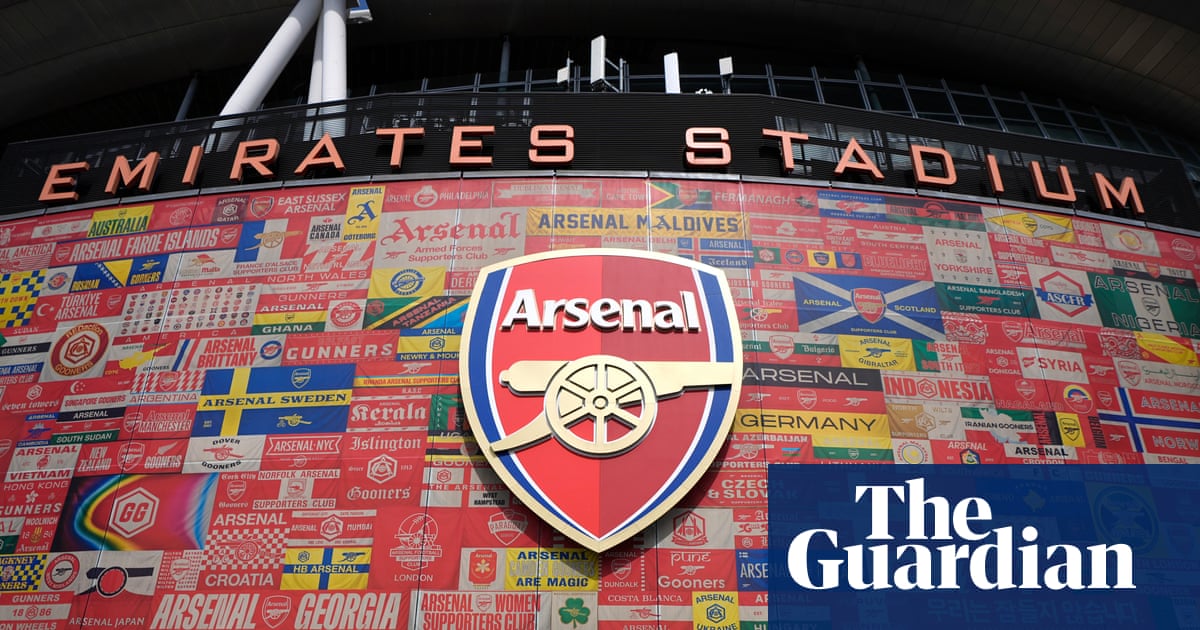
Arteta's Pitch Preference Trumps Architectural Ambition
Mikel Arteta does not tolerate variables he cannot control. Moving Arsenal out of the Emirates Stadium to Wembley would have introduced massive friction into a title-winning setup. Turf density, pitch dimensions, and crowd proximity are calibrated elements of his matchday system.
Arsenal set up their stadium feasibility working group under chief executive Richard Garlick in 2024. The mandate was clear: explore expanding capacity beyond 60,704 to match Europe's biggest venues. Yet architectural drawings eventually collided with pitch reality.
Arteta guided Arsenal to the Premier League title last season, their first since 2022. That championship run was built on relentless pressing triggers and tight territorial control at home. Uprooting that machinery for two years at Wembley was a risk the manager refused to endorse.
Consider pitch geometry. The Emirates surface suits Arsenal's rapid passing patterns and high defensive line. At Wembley, wider runoff areas and different sightlines alter how wingers gauge spatial boundaries during fast transitions. Small visual shifts can disrupt micro-second decision-making.
North London history provides a stark warning. Tottenham spent a campaign at Wembley while building their new ground, suffering clear home form dips. Arsenal themselves struggled during late-1990s Champions League games at the national stadium, losing pitch familiarization and crowd intensity.
Look at squad demands today. Arsenal face typical international break wear ahead of next Saturday's clash against Leeds. Winger Christos Tzolis returned early from Greece duty for assessment on a suspected muscle strain.
Meanwhile, Kai Havertz pulled out of Germany duty after picking up an injury against the Netherlands. Arsenal hope Havertz recovers in time for Leeds. Managing player loads requires environmental stability, not relocation chaos.
The strategic cost was already steep. Arsenal passed on bidding to host Euro 2028 matches specifically to keep their expansion timeline open. Surrendering an international tournament showcase for a benched masterplan represents a major executive blunder.
The Cold Economics of £150m Matchday Yield
Building extra upper tiers of standard seating is an expensive way to generate low-margin cash. Modern stadium economics dictate that adding general seats yields minimal net profit once construction debt service is factored in. Arsenal have proven revenue growth comes from yield per square foot.
Matchday income doubled over five seasons, breaking past £150m annually without adding a single seat to the Emirates capacity. Returning to Champions League football and expanding corporate hospitality packages drove the financial surge.
Partnering with catering firm Legends unlocked far higher supporter spend across concourses and luxury boxes. A corporate guest in an executive box spends thousands per match. Adding 5,000 standard seats requires massive cantilever engineering while returning a fraction of the profit generated by upgrading corporate tiers.
Across North London, Tottenham Hotspur Stadium stands as the modern benchmark. Opened in 2019 with a capacity of 62,850, Tottenham built an entertainment venue for NFL games and concerts. Arsenal's home, built in 2006, lacks the dual-pitch mechanics needed to host NFL events without ruining the grass.
Instead of chasing seat counts, Arsenal are concentrating on targeted spatial enhancements. Safe standing expands into the Clock End this season before rolling into the North Bank next season. Rail seats improve safety and atmosphere without modifying concrete tiers.
During a recent supporters' meeting, the club clarified their operational stance to fans:
“We shared a commitment to the continued evolution of Emirates Stadium, rather than a huge-scale masterplan, building on improvement we have made to date in partnership with our catering partner, Legends, the introduction of safe standing (this season in the Clock End, and next season in the North Bank), improving hospitality and retail experiences, and upgrading visitor experiences.”
This approach protects corporate margins, but leaves regular supporters behind. Tens of thousands of fans remain trapped on season ticket waiting lists. By prioritizing hospitality upgrades over seat expansion, Arsenal are choosing high-yield corporate guests over expanding their core fanbase.
The Arsenal Supporters' Trust received guarantees that the club has no current plans to reduce ordinary seating for corporate zones. However, keeping capacity static ensures ticket scarcity remains permanent.
2>BCG Consultants and the $4bn Angels AcquisitionTo understand why this expansion stalled, look across the Atlantic to Kroenke Sports & Entertainment. Last month, KSE finalized a record-breaking $4bn deal to buy Major League Baseball's Los Angeles Angels. KSE's capital allocation is increasingly directed toward North American franchises, leaving European stadium redevelopments to self-fund through cash flow.
KSE's portfolio spans the Denver Nuggets, Colorado Avalanche, Los Angeles Rams, and LA Angels. In American sports, venues are often publicly subsidized or built around guaranteed commercial yields. European football clubs operate under strict sustainability rules, meaning stadium debt directly impacts transfer budget flexibility.
Simultaneously, KSE hired Boston Consulting Group to conduct an operational review at Arsenal. The management consultancy firm is analyzing non-football departments across the club's 800 employees. Richard Garlick is overseeing the process internally to identify efficiencies across retail, ticketing, and administrative workflows.
When corporate consultants arrive, heavy capital expenditure masterplans are usually the first items cancelled. BCG's review will scrutinize staffing ratios, retail supply chains, and concession pricing. The objective is clear: squeeze maximum operational profit out of the current footprint without taking on structural debt.
While no job losses are currently indicated among Arsenal's staff, the timing sends a clear signal about ownership priorities. Executives want streamlined operations rather than multi-hundred-million-pound engineering projects.
Richard Garlick faces a delicate balancing act as chief executive. Garlick must manage BCG's audit without allowing cost-cutting measures to bleed into football operations. Insulating Arteta's transfer budget while streamlining administrative departments will test his executive leadership.
The Euro 2028 omission looks increasingly foolish when viewed through this corporate lens. Everton's new Bramley-Moore Dock stadium and Tottenham Hotspur Stadium will showcase the tournament, drawing global prestige. Arsenal voluntarily withdrew to facilitate an expansion that will not happen, leaving the Emirates sidelined.
The financial optics remain glaring for matchgoing fans. Ownership can spend billions buying a baseball franchise in California while sending management consultants to audit office headcount in Islington. Supporters get upgraded retail stores while major structural growth is shelved indefinitely.
Squeezing the Emirates Without Breaking the Machine
On the pitch, Arteta's tactical system relies on territorial dominance and precise spatial control. Pressing triggers depend on pitch dimensions tailored specifically to wide rotations and isolating wingers in 1v1 situations. Playing at Wembley would have expanded lateral space, forcing midfielders to cover extra ground in defensive transition.
A wider pitch dilutes pressing trap effectiveness against rapid counter-attacking sides. Tactical continuity is essential during a Premier League title defense. When opponents visit the Emirates, Arsenal compress the pitch, pushing their high defensive line to the halfway line.
Moving home matches away from Ashburton Grove would have dissolved that home advantage. Arteta's squad knows every blade of grass at the Emirates, and preserving that home record is vital for staying ahead of title rivals.
Consider the immediate team dynamics as Arsenal prepare for Leeds next Saturday. Havertz's potential recovery is vital for mid-block pressing structures and vertical outlet options. Tzolis's muscle strain shows how fragile squad depth becomes during tight autumn schedules.
Arteta needs total concentration on tactical details, not endless press conference questions about temporary stadium leases. Safe standing in the Clock End and North Bank will alter the matchday atmosphere for the better. Rail seating enhances supporter engagement without structural alterations.
However, rail seats do not solve the fundamental access problem. Creating standing sections improves acoustic environment for existing ticket holders, but does nothing for thousands watching from home. Ticket scarcity will remain a flashpoint for the fanbase.
With over 50,000 supporters waiting for season tickets, the club's ballot system has created widespread frustration. Shelving the stadium expansion cements ticket scarcity as a permanent reality. Fans who hoped for increased access will now face tighter balloting odds.
By shelving the stadium extension, Arsenal have chosen competitive stability over physical growth. They are betting that optimized retail, premium hospitality, and Champions League TV revenue will keep pace with Europe's financial giants. It is a risk-averse model designed to safeguard immediate on-field success.
Yet the strategic drawback will linger for years. Arsenal protected their home pitch advantage for Arteta's title defense, but capped their venue growth for a decade. Rivals are building multi-event arenas with massive capacities while Arsenal polish an existing 2006 framework.
It keeps the team winning matches today, but leaves thousands of supporters locked outside tomorrow. Executive planning prioritized immediate pitch stability and corporate yield over long-term physical expansion.
Read Next
- Viktor Gyokeres is stuck in Arsenal limbo and Mikel Arteta knows it
- Manchester City are 5-0 under Enzo Maresca but fans aren't buying it yet
- Inside Tottenham's £300m nightmare and Roberto De Zerbi's fight for survival
- Man City's guilty ruling puts European giants on high alert for Haaland
- ⭐ UCL 2026 — Champions League Quarter-Finals Hub
Official Liverpool FC Liverbird Scarf
The classic fan scarf to show your support for the Reds.
Frequently Asked Questions
Why did Arsenal decide not to expand Emirates Stadium capacity?
Who led Arsenal's stadium feasibility working group in 2024?
How did Arsenal double matchday revenue without expanding stadium capacity?
What tournament hosting opportunity did Arsenal give up for stadium expansion?
Why did Mikel Arteta oppose moving Arsenal games to Wembley Stadium?
More Coverage
Inside Tottenham's £300m nightmare and Roberto De Zerbi's fight for survival
2 hours ago
Viktor Gyokeres is stuck in Arsenal limbo and Mikel Arteta knows it
2 days, 15 hours ago
Man City's guilty ruling puts European giants on high alert for Haaland
2 days, 23 hours ago
Man City's guilty verdict leaves the Premier League facing unprecedented chaos
3 days, 1 hour ago
Romeo Lavia is back, but Chelsea's midfield situation remains a high-wire act
3 days, 2 hours ago
Man City's guilty verdict has football social media burning to the ground
3 days, 6 hours agoMore Analysis
Viktor Gyokeres is stuck in Arsenal limbo and Mikel Arteta knows it
2 days, 15 hours ago
Manchester City are 5-0 under Enzo Maresca but fans aren't buying it yet
3 days, 8 hours ago
Arsenal stumble again as Chelsea end Gunners' year-long unbeaten run
5 days, 3 hours ago
Renee Slegers is overthinking Arsenal into a WSL title disaster
5 days, 13 hours ago
Why Brighton hired a cage fighter to fix their set pieces
6 days, 14 hours ago