
Klopp is the only one who can fix this broken German side
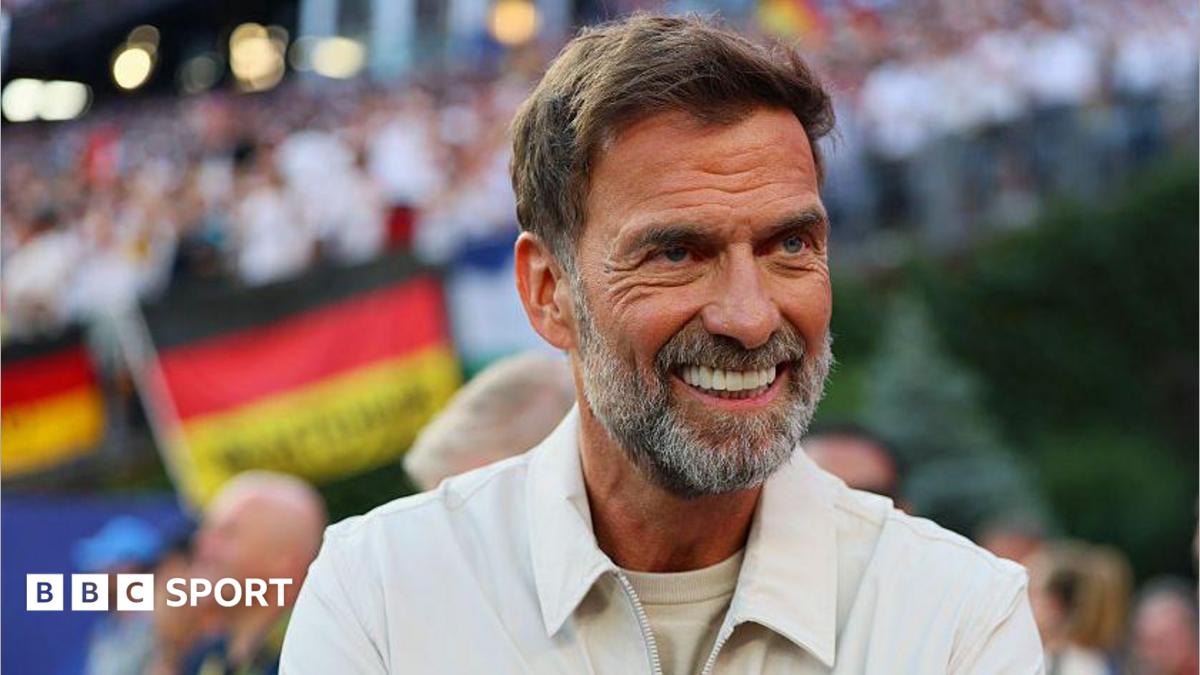
The end of the Nagelsmann experiment
Julian Nagelsmann’s tenure as Germany manager concluded with a whimper rather than a roar. The 1-0 defeat to Paraguay in the round of 32 at the 2026 World Cup was the final nail in the coffin for a project that prioritized sterile possession over penetration. Germany controlled the ball for 73% of the contest but managed a measly 0.82 xG. It was a statistical indictment of a system that lacked any real verticality or bite.
The criticism directed at Nagelsmann is not merely about the lack of goals, but the sheer predictability of his setup. Time and again, this German side moved the ball side-to-side, waiting for a gap that never materialized because their passing lanes were far too horizontal. Against defensive blocks, they lacked the individual brilliance or the tactical directness required to force an error. The resignation of Nagelsmann was inevitable given the mismatch between his intellectualized approach and the actual requirements of international tournament football.
Why Jurgen Klopp is the necessary pivot
The announcement that Jurgen Klopp has agreed to terms to lead the national team provides a rare moment of clarity for the DFB. Klopp represents the total negation of the stagnation seen in the last two years. While Nagelsmann was obsessed with the geometry of the pitch, Klopp focuses on the psychology of the press and the transition. He forces teams to play in the chaos, a realm where German football historically thrived before the recent slide into over-engineered mediocrity.
Klopp’s track record at the club level suggests he can maximize the intensity of this current crop of players. He does not demand 70% of the ball. He demands the ball in dangerous areas for 10 seconds at a time. The transition from a slow, methodical buildup to a high-octane, vertical game is a shift that will likely re-energize players who looked fatigued and restricted under the previous regime. As the BBC reported, Klopp moving into the hot seat is a deal in principle, and it marks a fundamental change in the direction of the national program.
The structural issues waiting for a reset
Despite the optimism surrounding the appointment, the reality remains that the depth chart is not what it once was. The defensive stability of this squad is a major point of concern. Nagelsmann often left his center-backs isolated as full-backs pushed into the final third. When playing against opponents who possess even moderate speed in transition, that high line becomes a liability. England proved in their own recent tests that pushing full-backs deep is a dangerous experiment without a disciplined holding midfielder to bridge the gap.
Klopp will need to address the defensive spacing immediately. He favors a heavy reliance on the collective, yet even his best Liverpool sides required elite shielding from their number six to allow the rest of the attacking structure to function safely. If the German midfield continues to sit too high and too flat, the counter-attacks they concede will remain their primary weakness. Klopp must find a way to balance his preference for attacking overload with a more conservative defensive transition.
Addressing the creative vacuum
The lack of output in the final third must be rectified. Scoring a single goal or failing to crack a defensive low block with 73% possession is unacceptable at the international level. Klopp’s emphasis on the 'gegenpress' is not just defensive; it is a creative mechanism. By winning the ball back instantly upon losing it, he secures the chance to attack an opponent while they are still in a state of disorganized recovery. This strategy requires players to move with more intent than we saw against Paraguay.
The personnel decisions will be tough. Some legacy players who flourished under the slower tactical requirements of the Nagelsmann era may find themselves on the periphery. Klopp is known for loyalty, but he is fundamentally a realist who values output above reputation. If he brings the same intensity he showed in the Premier League, the German national team might finally stop playing like a chess team and start playing like a football team again. The era of over-complication is over; now, the work of restoration begins.
adidas MLS League Soccer Ball
Match-ball looks with a friendly training-ball price tag.
Frequently Asked Questions
Why did Julian Nagelsmann leave the German national team?
How did Germany perform statistically under Nagelsmann?
What tactical changes will Jurgen Klopp bring to Germany?
What is the biggest defensive concern for the German squad?
What is the status of Jurgen Klopp joining the German national team?
More Coverage
Portugal are about to play their best football in a decade without Ronaldo
3 days, 14 hours ago
Top 10: World Football's Biggest Storylines, Scandals, and Shocks of 2026
4 days, 12 hours ago
Why Marie-Louise Eta's 4-3-3 shift is working at Union Berlin
4 days, 19 hours ago
Why Martin Odegaard and Premier League Stars Are Obsessed With VR
4 days, 19 hours ago
Frenkie de Jong's return gives Xavi the ultimate Dutch tactical engine
1 week ago
Zidane's France debut exposed structural issues talent cannot fix
1 week, 1 day agoMore Analysis
Portugal are about to play their best football in a decade without Ronaldo
3 days, 14 hours ago
Why Marie-Louise Eta's 4-3-3 shift is working at Union Berlin
4 days, 19 hours ago
Why Martin Odegaard and Premier League Stars Are Obsessed With VR
4 days, 19 hours ago
Frenkie de Jong's return gives Xavi the ultimate Dutch tactical engine
1 week ago
Zidane's France debut exposed structural issues talent cannot fix
1 week, 1 day ago