The evolution of the Swiss midfield engine
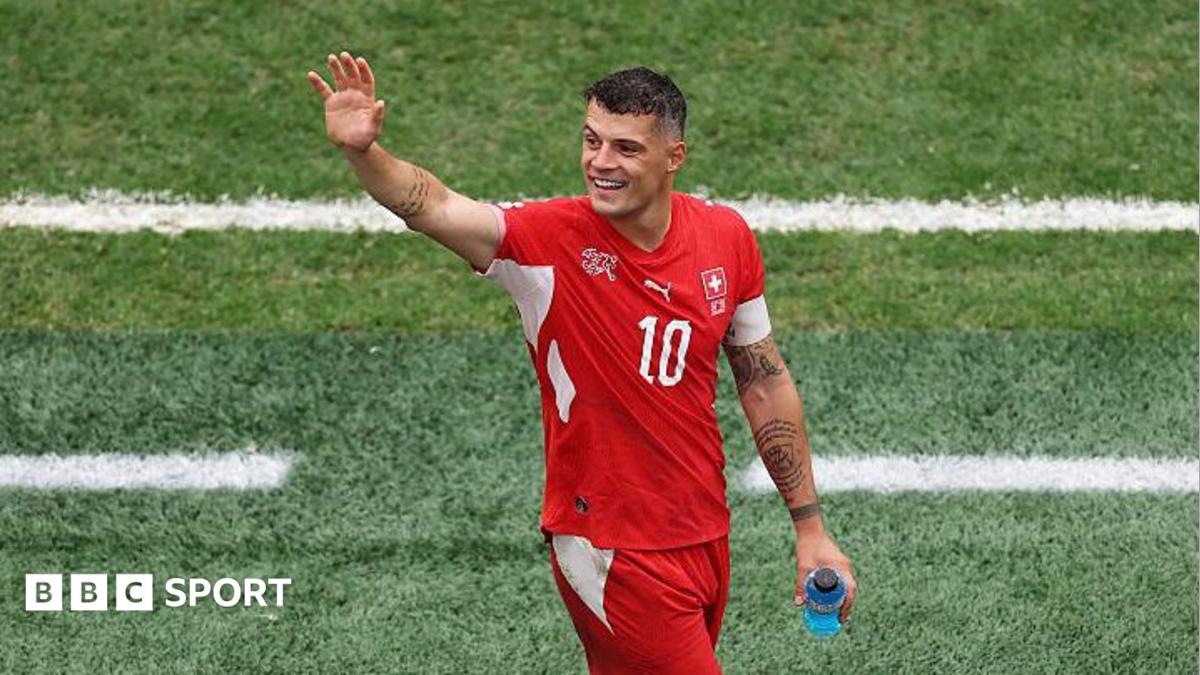
Granit Xhaka enters this tournament positioned as the linchpin of a Swiss side balancing discipline with tactical fluidity. The narrative of his career arc remains defined by the grit displayed during his final chapters in North London. After weathering a period where the Emirates crowd made their frustrations known, Xhaka reinvented his role into something far more measured and influential.
Technical metrics from his recent domestic campaign underline why his role in the national team has become so vital. He no longer operates merely as a defensive screen. Instead, he orchestrates transitions from deep, often serving as the primary pivot for lateral shifts that pull opposition markers out of their defensive shape. His precision in short-passing sequences frequently hovers above 90 percent accuracy.
Tactical responsibility and the burden of history
Switzerland requires more than just leadership from their captain; they demand tactical intelligence. Following his remarkable turnaround at Arsenal, Xhaka has arguably become the most essential asset in Murat Yakin’s roster. He controls the tempo, ensuring the team does not succumb to high-pressing traps in the middle third.
One recurring flaw to watch is his tendency to drift when the match accelerates. If Switzerland faces a side capable of rapid counter-attacks, Xhaka occasionally sacrifices his structural position to pursue the ball. This leaves gaps that smarter opponents exploit within seconds. He recorded more than 12 yellow cards in recent high-stakes league duty, a statistic that highlights his propensity for tactical fouls when the midfield line breaks.
The upcoming test of nerves
This match-up presents a defined challenge. Switzerland will likely dictate possession against an opponent that prefers a low-block, 5-4-1 setup. Xhaka’s duty is to break that wall through diagonal balls or threading passes through the half-spaces.
Expect him to start deep, shadowing the opposing number ten to prevent vertical supply lines. His performance will dictate whether Switzerland keeps the clean sheet or concedes a cheap goal on the break around the 68th minute.
Final tactical assessment
The Swiss squad relies on a singular identity: order. Xhaka provides that rhythm, but he needs disciplined support from his defensive partners to mitigate his lapses in positioning. If he maintains his composure, his distribution will likely create at least three primary goal-scoring chances.
My prediction remains firm: Switzerland will control 60 percent of the ball and eventually break the deadlock through a sustained period of pressure. They will win this fixture 2-0. The burden of history is heavy, but Xhaka has carried far worse during his professional career.
Read Next
- Messi vs Switzerland is the grand stage for a final act
- England vs Norway is a clash of two very different kings
- Why England should be terrified of Erling Haaland's Norway
- England face their biggest test yet against Norway in Miami
- 🏆 World Cup 2026 — Full Coverage Hub
- 🇨🇭 Switzerland World Cup 2026 — La Nati Hub