The Gegenpress comes home to a national team in ruin
Julian Nagelsmann's tenure ended not with a tactical flourish, but with a limp collapse against Paraguay at the World Cup. Now, the German Football Association has handed the keys to Jürgen Klopp. It is a seismic appointment on paper, but the reality on the pitch will be far more brutal. Klopp inherits a squad suffering from deep structural identity issues, far removed from the hyper-tuned machine he built at Anfield.
Taking over through the 2030 World Cup, Klopp steps into international management for the first time at 59. High-intensity pressing systems require relentless daily repetition on the training pitch to master exact triggers. International football, with its sparse international windows and tired legs, is historically allergic to high-risk counter-pressing. If Klopp tries to copy-paste his Liverpool shape onto this side without adapting, Germany will get carved open on the break just as they did in North America.
Tactical compromises and structural flaws
The headline task for Klopp is fixing a fragmented midfield that completely disconnected during the World Cup exit. In club football, Klopp relied on heavy-metal transitional chaos anchored by hyper-disciplined holding midfielders. Germany currently lack that defensive screen. Expect Klopp to immediately simplify the build-up phase, discarding Nagelsmann's intricate inverted full-back experiments in favor of verticality and direct dynamic channels.
Meanwhile, across the border, Pep Guardiola reportedly turned down the chance to replace Gennaro Gattuso as Italy head coach, illustrating just how difficult it is to lure elite system managers into the national team setup. Unlike Guardiola, Klopp has taken the plunge. But success won't come from charisma alone; it requires solving a central defensive line that dropped far too deep when under pressure during the recent World Cup campaign.
The media tax and the final act
Klopp made it clear during his unveiling that this role will likely be his final job in top-level football. He even issued a stern warning, demanding the media leave his family in peace or risk him stepping down early. That tension shows the immense pressure surrounding this appointment. German media scrutiny is ruthless, and Klopp will not enjoy the prolonged honeymoon period he received on Merseyside.
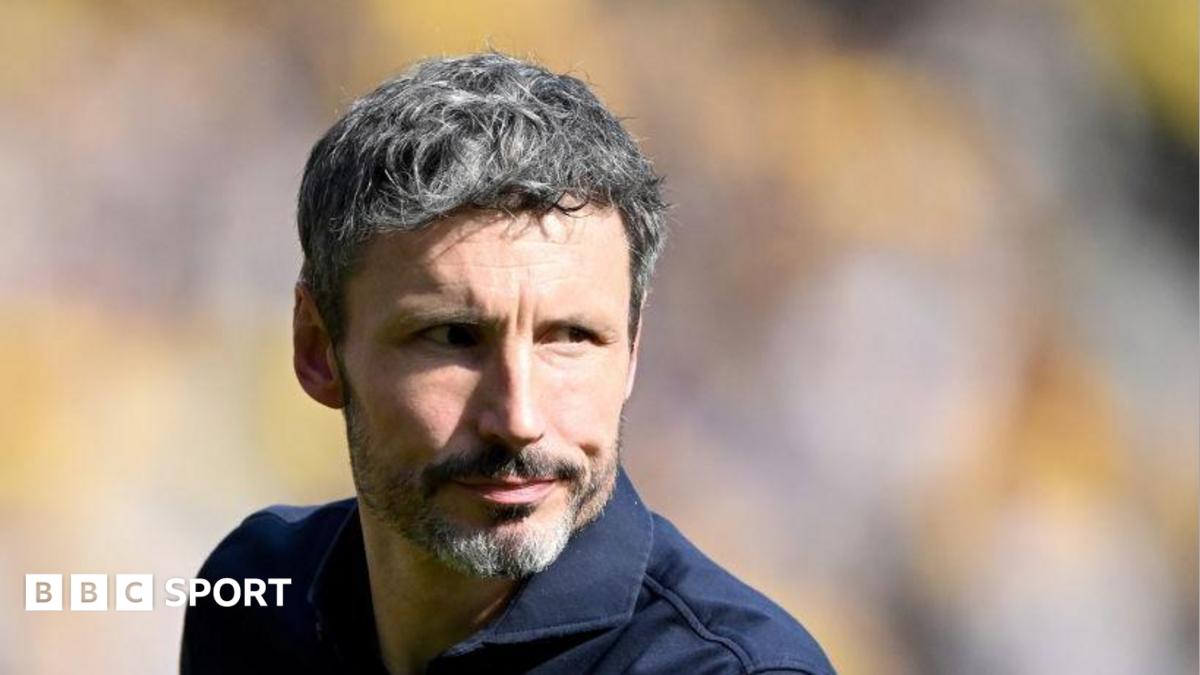
Elsewhere in international management shifts, Belgium appointed Mark van Bommel through Euro 2028, setting up a fascinating tactical clash of styles in European international football over the coming years. Van Bommel brings pragmatic grit, while Klopp brings emotional intensity and vertical transition logic. The contrast could not be sharper.
Prediction
Klopp will stabilize Germany's attack quickly by leaning on direct wing play and aggressive counter-pressing triggers in the final third. However, expecting a seamless tactical revolution in international football is a fantasy. Germany will be far more dangerous and chaotic to play against, but their defensive structural gaps will take at least 18 months to properly patch. Expect explosive offensive output paired with alarming defensive vulnerabilities until Klopp realizes he must compromise on his intense pressing demands.
Read Next
- Jurgen Klopp takes the Germany job, but the tactical repair is just beginning
- Jürgen Klopp takes the Germany job: What this means for international football
- Klopp faces a deep tactical hole inheriting Nagelsmann’s Germany
- Jurgen Klopp in charge of Germany is pure chaos waiting to happen
- 🇩🇪 Germany World Cup 2026 — Die Mannschaft Hub