The arrival of the German messiah
Jürgen Klopp is officially back in the dugout. As reported by The Guardian, the former Liverpool manager has accepted the Germany head coach position. He takes over from Julian Nagelsmann immediately following Germany’s disappointing exit to Paraguay at the last World Cup.
The agreement locks Klopp in through to the 2030 World Cup. This is a massive shift for the DFB, which had been mired in uncertainty after failing to capitalize on home-soil advantage in recent cycles. Fans expected a rebuild, but few anticipated the return of the man who redefined Premier League football for almost a decade.
The tactical shift for Die Mannschaft
Klopp inherits a roster that has talent but lacks identity. Nagelsmann struggled to balance defensive rigor with the high-intensity transition game that Germany requires to compete at the elite level. It is a tall order to fix this team, but if anyone has the cultural cachet to demand total buy-in, it is Klopp.
Expect an immediate move away from the possession-heavy, often stagnant approach seen in the last two years. Klopp demands heavy-metal intensity. That means players like Florian Wirtz and Jamal Musiala will likely be given more freedom to wreak havoc in the final third, provided they buy into his defensive pressing triggers.
However, there is an obvious downside: fatigue. Klopp has a history of burning out squads that lack immense depth. If the current German player pool cannot maintain his physical demands for 90 minutes across tournament knockout stages, the project could hit a wall by Euro 2028.
Why Pep Guardiola skipped Italy
While the focus is on Klopp, it is worth tracking why his main rival did not take a similar path. Sky Sports confirmed that Pep Guardiola rejected an approach from the Italian Football Federation to replace Gennaro Gattuso. It suggests the coaching market at the international level is becoming highly specialized.
Top-tier managers are no longer looking for project work; they are looking for legacies. Klopp sees Germany as the place to cement his standing in history. Guardiola, conversely, appears uninterested in the limitations of a national team rotation, preferring the sustained control of a club setup.
Football can change a country.
That quote, from Klopp’s unveiling, highlights the stakes. He is positioning himself as more than just a tactician; he is being tasked with a cultural reset. It is a bold move to suggest this will be his final job in top-level football, but it signals he is all-in on the project.
Probability assessment and market impact
The deal is already done and dusted. The probability of him staying through the 2030 cycle is high, assuming the media respects the boundaries he set during his press conference. He warned outlets to leave his family in peace or he would walk—a stark reminder that Klopp works on his terms.
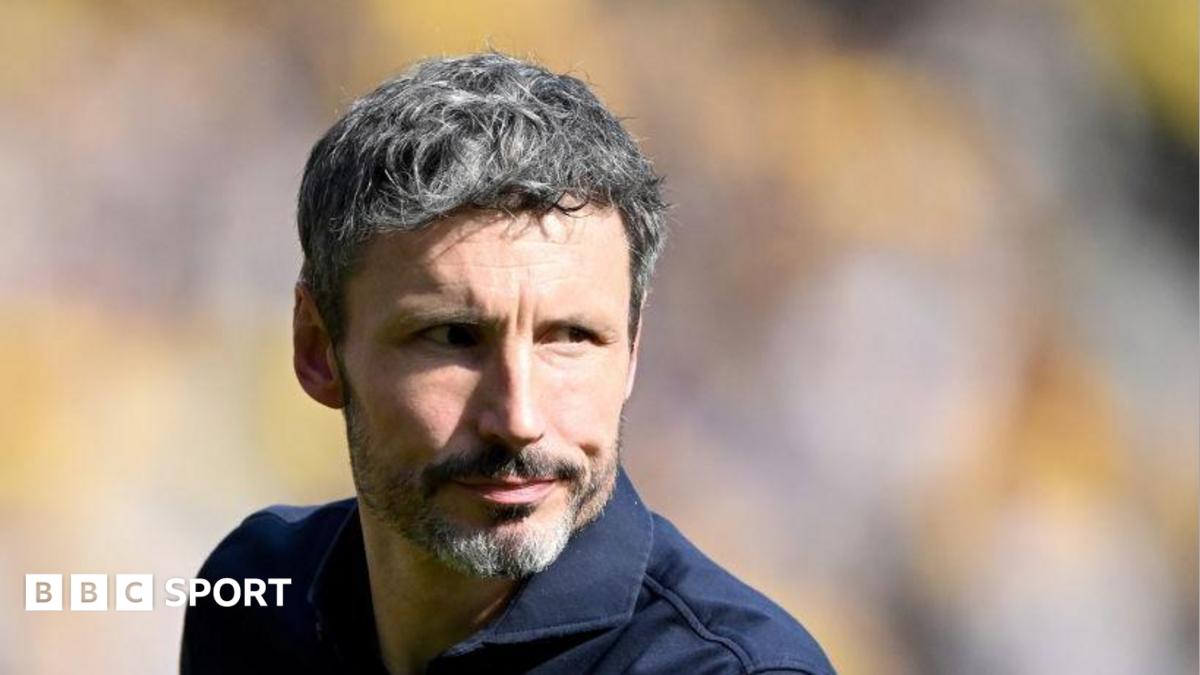
The impact on the European international scene is immediate. Belgium also just made a move, bringing in Mark van Bommel until 2028, as reported by the BBC. The competition for relevance in the next two major tournaments is tightening significantly.
Expect Germany to play with a chip on their shoulder. They were humiliated by Paraguay in the last tournament, and the squad is looking for a reason to believe again. Klopp is the ultimate validator. Whether he can turn that sentiment into silverware is the only metric that will matter by the 2030 World Cup.
This appointment is a direct challenge to the current establishment. France and Argentina have led the conversation for much of the decade. By bringing in a manager of Klopp’s profile, Germany has signaled it is tired of being the underdog. It is a gamble, but the ceiling is first place on the podium.
Read Next
- Jürgen Klopp's Germany rescue job is the ultimate tactical gamble
- Jurgen Klopp takes the Germany job, but the tactical repair is just beginning
- Jurgen Klopp in charge of Germany is pure chaos waiting to happen
- Jurgen Klopp accepts his toughest challenge with the German national team
- 🇩🇪 Germany World Cup 2026 — Die Mannschaft Hub