The Illusion of the Seattle Comeback
Belgium's dramatic escape against Senegal in Seattle was hailed as a classic of tournament resilience. Yet, watching the tape from Lumen Field reveals a team on the precipice of a tactical disaster. Domenico Tedesco's side was outplayed, outpaced, and structurally broken for eighty-five minutes.
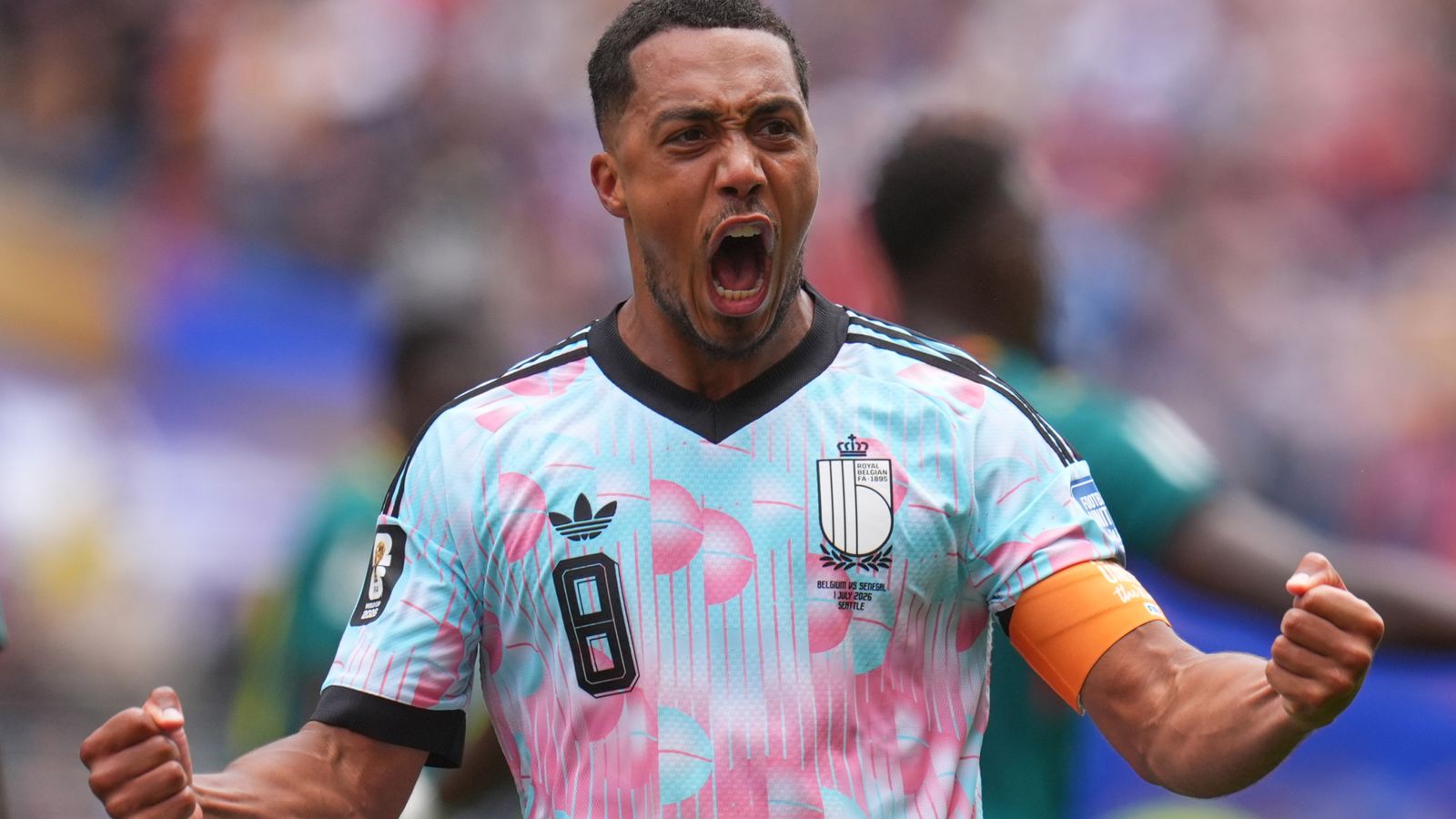
Only a desperate late flurry and a highly controversial penalty saved them from a humiliating early exit. Senegal's aggressive mid-block completely choked the Belgian build-up during a dismal first half. The double pivot of Youri Tielemans and Amadou Onana looked utterly lost under pressure.
Belgium's back three shape during possession transition was easily countered by Senegal's front three. Tedesco wanted to build in a 3-2-4-1, but the spacing between the center-backs was far too wide. This left Faes isolated on the right, forced to make low-percentage long balls into the channels.
The statistics paint a damning picture of Belgium's progression play and lack of creativity. Before Romelu Lukaku's introduction in the seventy-sixth minute, Belgium possessed sixty-one percent of the ball but generated a pathetic 0.71 xG. They played with zero verticality, settling for sterile, U-shaped possession that went nowhere.
Sunderland's Habib Diarra opening the scoring in the nineteenth minute was no fluke. Senegal targeted Belgium's sluggish right channel with relentless pressing and overload runs. Ismaila Sarr then doubled the lead in the sixty-first minute, exposing Wout Faes' lack of lateral speed in defensive transitions.
Belgium's recovery was a matter of individual power rather than tactical design. Lukaku's physical gravity dragged Senegal's center-backs deep into their own box, creating space for Tielemans. The late equalizer was a chaotic scramble, and the extra-time penalty was incredibly soft.
De Bruyne looked physically fatigued, registering a pass completion rate of only seventy-four percent in the final third. When your primary playmaker is turning the ball over, the rest of the team collapses into defensive panic. Senegal capitalized on this, generating three direct counter-attacks from De Bruyne's misplaced passes.
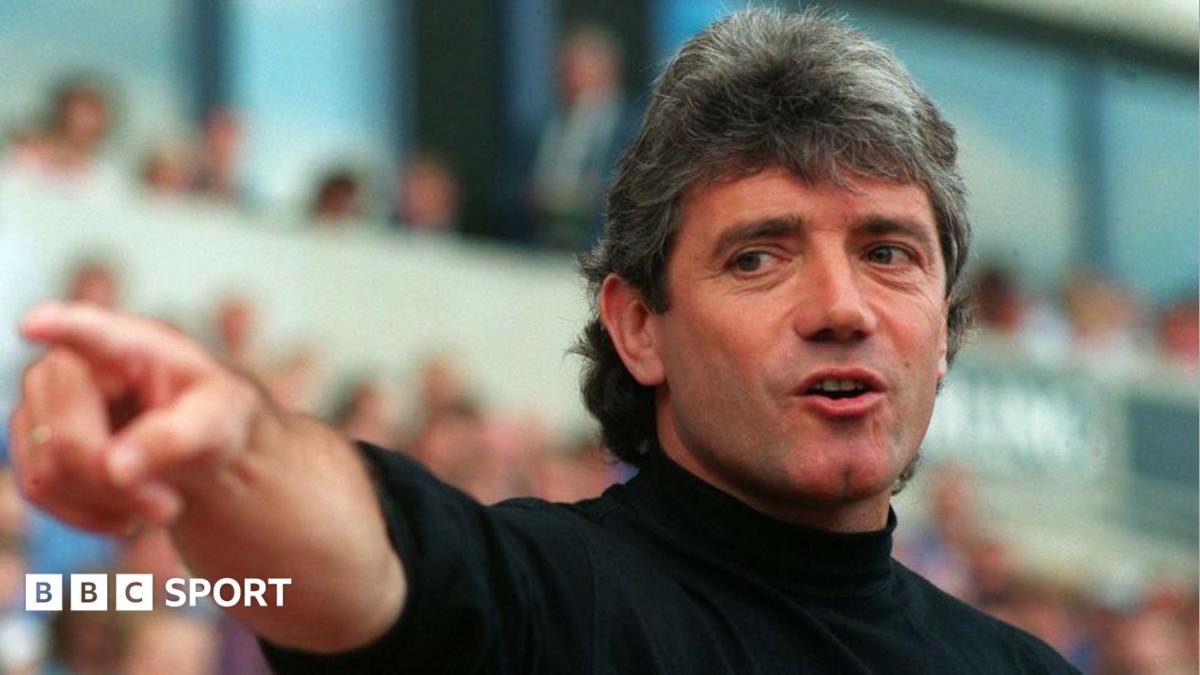
As pundits Roy Keane and Gary Neville argued on ITV, the spot-kick was a massive officiating error. Lamine Camara's challenge in the 117th minute was clumsy, but it was never a penalty. Tielemans converted the spot-kick to seal a 3-2 victory, but the flaws remain completely unaddressed.
Belgium's lucky break in the comeback win against Senegal merely delays their inevitable demise. In the round of 16, they face the hosts, the United States, in Seattle on Tuesday, July 7. The Americans present a completely different level of athletic and tactical challenge.
The USMNT Press is a Tactical Nightmare for Tedesco
The USMNT's pressing system will be Belgium's undoing in the middle third. Under their manager, the Americans play a high-octane, vertical transition game that punishes sluggish opponents. They do not wait for teams to settle; they hunt the ball in packs.
This high-press structure averages 8.4 high turnovers per ninety minutes in this tournament. Johnny Cardoso and Weston McKennie provide a dynamic, hard-running midfield pairing that will overwhelm Tielemans. If Tedesco persists with a slow build-up, the USA will trap them near their own box.
The USMNT's pressing triggers are highly coordinated. Whenever the opponent's center-backs receive the ball facing their own goal, the American front line immediately closes down the lateral passing lanes. This forces the opponent into making rushed, vertical passes into congested midfield areas.
Belgium's defensive transition is their greatest weakness in open play. Faes and Jan Vertonghen cannot defend large spaces behind them anymore. Christian Pulisic and Timothy Weah will exploit these defensive channels ruthlessly.
During the group stage, the USA's wingers consistently made diagonal runs behind high defensive lines. Their speed will force Belgium's full-backs to drop deep, splitting their defensive block. Once the lines stretch, McKennie will exploit the gaps in the half-spaces.
Cardoso's role in screening the back four has been outstanding. He averages 3.2 tackles and 2.1 interceptions per game, effectively shutting down the opponent's creative midfielders in the zone fourteen area. De Bruyne will find himself in a vice-like grip every time he tries to turn.
Tedesco's selection choices have also been highly questionable throughout this tournament. He has stubbornly refused to integrate younger, faster midfielders into the starting eleven. This lack of rotation has left his core squad looking physically exhausted.
Against Senegal, Belgium ran four kilometers less than their opponents during normal time. That physical deficit is unsustainable against a high-tempo American team playing in front of a partisan home crowd. The energy in Seattle will be electric, and Belgium will suffocate under the noise.
Where Belgium Can Hurt the Americans
The USA are not without their own tactical flaws. Their defensive organization during opposition set pieces has been shaky, conceding twice from corners in their last three games. If Belgium can win early set plays, Lukaku's aerial presence could prove dangerous.
However, Belgium's ability to win those set pieces depends on sustained possession. They will not get it. The USMNT's central press will squeeze the passing lanes to Kevin De Bruyne, forcing long, hopeful balls toward Lukaku.
Tedesco does have options on the bench to inject some late pace, like Johan Bakayoko or Jeremy Doku. However, these players are often introduced too late to impact the structural flow of the match. Using them as emergency options rather than tactical starters is a waste of their talent.
This direct approach will play right into the hands of the American center-backs. Chris Richards and Tim Ream excel in aerial duels, winning seventy percent of their contests. They will comfortably neutralize isolated, long-ball attacks.
The Prediction
We must also consider the psychological factor of this matchup. The USA are playing with the freedom of a young squad with nothing to lose. Belgium, conversely, carry the heavy burden of a golden generation that never quite delivered.
That pressure will manifest in defensive hesitation. When the USA transition at speed, Belgium's aging backline will drop too deep, inviting pressure. This hesitation will prove fatal.
Seattle's Lumen Field is notoriously difficult for visiting teams. The crowd noise can disrupt verbal communication on the pitch, leading to defensive misalignments. An aging Belgian defense under pressure will likely make communication errors under these loud conditions.
My prediction is a comfortable, deserved 2-1 victory for the United States. They will score early through a high turnover, control the tempo in midfield, and seal it in the second half. Belgium will get a late consolation, but their tournament ends in Seattle.
Read Next
- Belgium's aging core is not dead yet, and Rudi Garcia is ready to prove it
- Why England's lucky escape against DR Congo ends at the Azteca
- Sandro Tonali's £100m move to Tottenham will rewrite both midfields
- Why England's win over DR Congo was a tactical warning sign
- 🇧🇪 Belgium World Cup 2026 — Red Devils Hub
- 🇸🇳 Senegal World Cup 2026 — Lions of Teranga Hub