
Belgium's aging core is not dead yet, and Rudi Garcia is ready to prove it

Garcia's Spiky Seattle Defense
Rudi Garcia is not a manager who tolerates quiet dissent, let alone loud media criticism. Inside the press room in Seattle, after his side dismantled New Zealand 5-1 to secure the top spot in Group G, the atmosphere should have been celebratory. Instead, the Belgian head coach adjusted his microphone with a deliberate, sharp click and launched into a fierce defense of his veterans.
He was reacting to an article in the Belgian newspaper La Libre, which had scathingly compared Kevin De Bruyne to a washed-up Hollywood actor after a lethargic display against Iran. Garcia made it clear that calling his veteran leaders "has-beens" was entirely unacceptable. When a nation has players of that caliber, he argued, the only logical response is to support them.
The manager’s defensiveness is understandable, even if his irritation was a bit theatrical. Belgium’s World Cup run has been accompanied by a persistent hum of skepticism from their own fans and media. Yet, the numbers suggest a team that remains remarkably resilient.
It is now 16 months since Belgium last lost a football match, a 3-1 defeat against Ukraine that marked Garcia's opening game in charge. Since that initial stumble, they have built a solid run of form. They sailed through qualifying unbeaten, scoring 29 goals and registering back-to-back six-goal performances alongside a 7-0 victory against Liechtenstein.
Yet, until the goal glut in Seattle, the narrative around the team was dominated by their sluggishness in possession. Before Trossard opened the scoring against New Zealand, Belgium had endured a frustrating period of attacking impotence. They had registered 44 consecutive attempts on goal at this World Cup without a single Belgian player finding the net.
This static period lasted for over 200 minutes of play, leaving De Bruyne and Lukaku looking isolated and frustrated. The breakthrough in Seattle was not just a relief; it was an essential recalibration of Garcia's tactical system ahead of the knockout rounds. As The Guardian reported from Seattle, Garcia adjusted the microphone to ensure his point was heard.
The Tactical Decay of the Iranian Stalemate
To understand Garcia’s anger, one must look at the structural failure of the match against Iran in Los Angeles. In that game, Belgium lined up in a nominal 4-2-3-1 that quickly degraded into a slow, predictable possession pattern. Iran sat in a compact 4-5-1 low block, denying space between the lines.
De Bruyne was deployed in the number ten role, but he was constantly tracked by two holding midfielders who restricted his turning radius. This forced the playmaker to drop deeper into his own half to collect the ball from the center-backs. With De Bruyne deep, the distance between the midfield and the forward line stretched to over 30 yards, leaving Lukaku entirely isolated up front.
This isolation was exacerbated by a lack of verticality on the wings. Leandro Trossard and Charles De Ketelaere both wanted to cut inside, crowded the central area, and made it easy for Iran to shift their defensive block. Belgium finished that match with 68 percent possession but generated an xG of just 0.42.
The team completed 612 passes, but only eight of those entries penetrated the Iranian penalty area. The passing lanes were horizontal and safe, passing back and forth across the midfield line without any penetration. De Bruyne’s pass completion rate dropped to a relatively low 74 percent, reflecting his frustration as he tried to force difficult vertical balls into a crowded box.
The defensive transition was equally problematic. When possession was lost, Belgium’s counter-press was disjointed. The distance between the attacking line and the defensive line meant that the midfield double pivot was left covering too much ground.
Iran was able to bypass the initial press with simple direct balls, exposing the center-backs to dangerous counter-attacks. It was a performance that justified the La Libre critique, exposing a lack of physical intensity and a failure to break down a well-organized defensive structure.
Deconstructing the New Zealand Flurry
The 5-1 victory against New Zealand in Seattle was the antithesis of the Los Angeles stalemate. Garcia made several adjustments to the spacing and the positioning of his key attackers. Instead of keeping De Bruyne high and central, Garcia allowed him to drift to the right half-space, while Charles De Ketelaere pushed higher to act as a secondary striker.
This adjustment immediately disrupted New Zealand’s defensive shape. Trossard was given license to tuck inside from the left, exploiting the space created when De Bruyne dragged the opposition midfielders wide. In the 18th minute, a corner from De Bruyne caused chaos.
New Zealand's Tim Payne and Chris Wood inexplicably marked each other touch-tight at the near post. This allowed Trossard to drop off into the vacated space at the penalty spot and sweep the ball home. This opener, coming after 45 collective attempts at the tournament, transformed the dynamic of the match.
With the pressure lifted, Belgium’s passing became much sharper, moving from slow side-to-side circulation to quick combination play in the final third. The second half saw Belgium exploit the space as New Zealand pushed forward. De Bruyne scored the second in the 49th minute, showing late runs into the box that had been missing in the previous match.
The third goal showed the value of depth in the squad. Romelu Lukaku, returning to fitness after a minor injury, came off the bench and headed in just 56 seconds after entering the pitch. Charles De Ketelaere capped the display with a late strike, applying the gloss to a performance that saw Belgium generate 2.84 xG and complete 88 percent of their passes in the opposition half.
It was a display of efficiency that showed what this team can do when the spacing is correct. The victory also allowed Belgium to remain in Seattle, where they have been based for the past three weeks, at Seattle Sounders’ training headquarters in the suburbs of the city.
Senegal's Defensive Trap and the Saint-Étienne Connection
The reward for winning Group G is a last-32 matchup against Senegal, a side that presents a far more difficult tactical challenge than New Zealand. Senegal, currently ranked 18th in the Fifa rankings, finished third in a very difficult group containing France, Norway, and Iraq. Rudi Garcia was quick to point out that their third-place finish is a reflection of the strength of their group rather than their quality.
Ahead of the highly anticipated Belgium vs Senegal match preview in the round of 32, Garcia seemed uninterested in answering questions about whether that trouncing has helped grease the wheels, instead deferring to De Ketelaere. "Yesterday showed us that to be favourites or not doesn’t matter," De Ketelaere said, referring to the shock exits of Germany and the Netherlands.
Led by Pape Thiaw, Senegal plays a highly organized, physically imposing brand of football. Thiaw’s tactical blueprint relies on a mid-block that transitions quickly into a counter-attack, using the pace of their wingers to exploit space behind the opposition full-backs.
There is also a personal history between the two coaches. Garcia knows Pape Thiaw from their time together at Saint-Étienne, where Garcia served as an assistant coach to Robert Nouzaret and John Toshack. During that period, Garcia scouted a young Thiaw and recommended him to Nouzaret.
When the two met in December during the World Cup draw, they shared a warm embrace. Garcia praised Thiaw’s career, calling him a wonderful player and a wonderful coach, before adding a typical competitive edge. "He's a good man, a good person, but I'm going to defeat him, which is too bad for him," Garcia said with a smile.
To defeat Senegal, Belgium will need to maintain defensive discipline. Senegal’s ability to transition from defense to attack in under six seconds will test Belgium’s defensive organization. If Garcia’s side commits too many players forward, they will leave their center-backs exposed to the speed of the Senegalese counter-attack.
The match will likely be decided in the midfield, where Belgium’s ability to retain possession under pressure will be tested by Senegal’s aggressive pressing triggers. This is not a game where Belgium can afford the slow, horizontal passing that characterized their performance against Iran.
The Path Forward: Debast and the Atlanta Blueprint
The physical condition of the squad will be key to Belgium’s chances of progression. Garcia received a boost with the news that Zeno Debast is available for his first minutes of the tournament after recovering from a leg injury. Debast’s return gives Garcia more options in defense, allowing him to potentially shift to a back three if he wants to provide extra protection.
Furthermore, the fitness of Jérémy Doku, Charles De Ketelaere, and Romelu Lukaku is improving, giving Garcia the squad depth needed to manage a tournament run. If Belgium can overcome Senegal, a potential last-16 matchup against the United States awaits.
This is a prospect that will bring back good memories for the Belgian squad. In March of this year, in a friendly played in Atlanta, Belgium completely overpowered Mauricio Pochettino’s side, winning 5-2 in a dominant performance. That victory was built on high-intensity pressing and rapid transitions, a tactical blueprint that Garcia will hope to replicate in the knockout rounds.
The talk of "has-beens" has been silenced for the moment, but the pressure remains high. Garcia’s side has shown they have the quality to dismantle weaker opposition, but they must now prove they can deliver against a disciplined, physical opponent.
The match in Seattle will tell us whether this Belgian side has one last great tournament run in them, or if the critics were right all along. It helps that they can prepare at their Seattle Sounders training base in the suburbs, where they have been for three weeks.
Read Next
- New York's World Cup watch parties are putting the official stadiums to shame
- How Mexico choked the life out of Ecuador at the Azteca
- Aguirre has rebuilt Mexico's defense, but Ecuador's spine is built to break it
- Thomas Tuchel's selection crisis makes England vulnerable to DR Congo
- 🏆 World Cup 2026 — Full Coverage Hub
- 🇧🇪 Belgium World Cup 2026 — Red Devils Hub
- 🇸🇳 Senegal World Cup 2026 — Lions of Teranga Hub
- 🇫🇷 WC 2026 Group I — France, Senegal, Norway
Fever Pitch: A Reporter's Education by Anthony Swofford
The quintessential cult-classic book about the obsessive, often painful, life of
Frequently Asked Questions
How did Belgium perform against New Zealand in the World Cup group stage?
What newspaper criticized Kevin De Bruyne's performance?
When did Belgium last lose a football match under Rudi Garcia?
Why did Belgium struggle offensively against Iran?
Who scored the opening goal for Belgium against New Zealand?
More Coverage

Scotland's attacking promise died in the 11th minute against Switzerland
6 hours ago
England win in Prague but Thomas Tuchel still has tactical puzzles to solve
9 hours ago
Ashley Sanchez's 20-goal NWSL season creates a massive USWNT tactical puzzle
16 hours ago
Ashley Sanchez is scoring at will, but where does she fit under Emma Hayes?
16 hours ago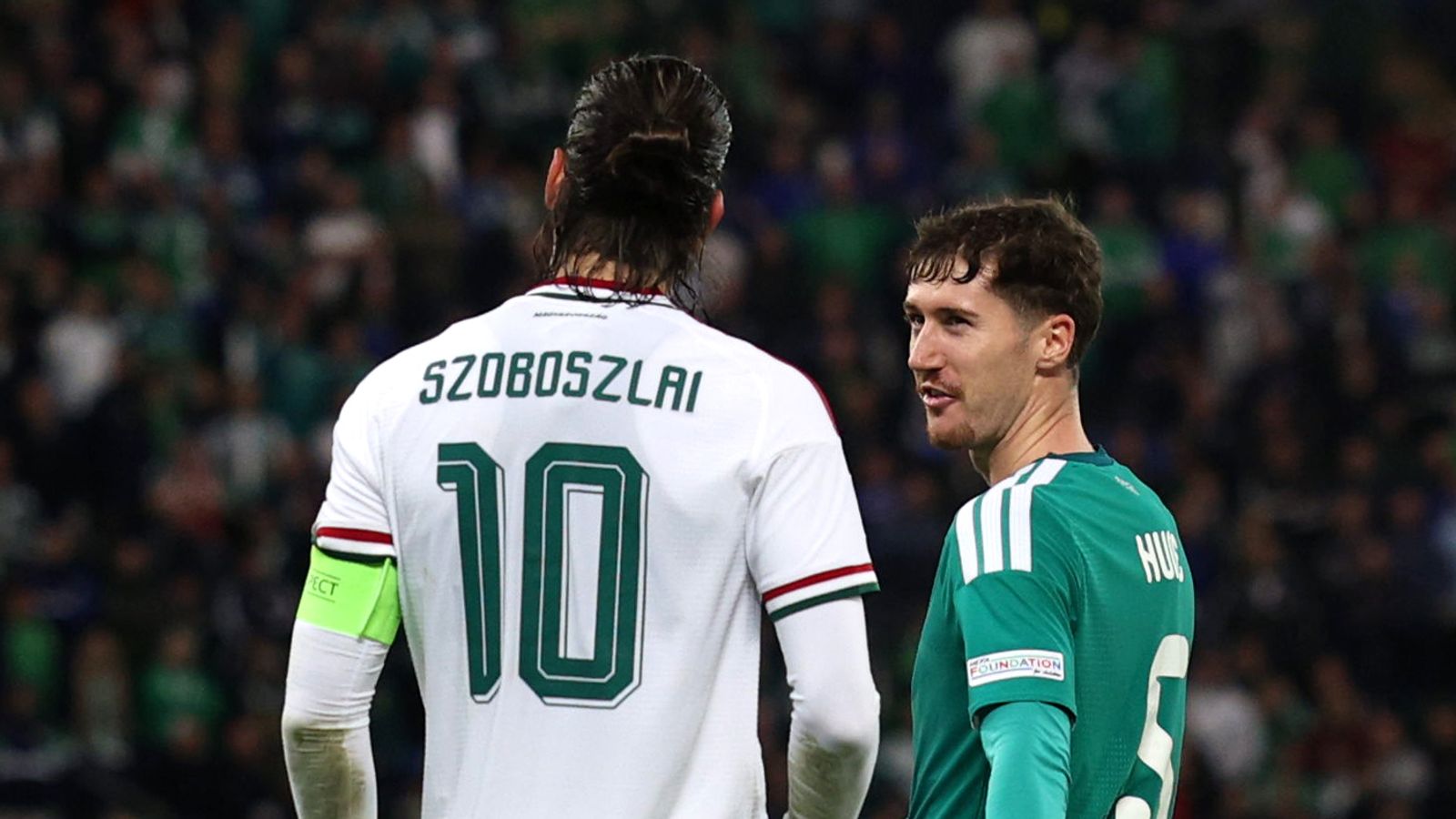
Northern Ireland bullied Hungary in Belfast, but missed chances cost them
1 day ago
Tuchel's England look completely rattled by Man City's guilty verdict
3 days, 5 hours agoMore Analysis
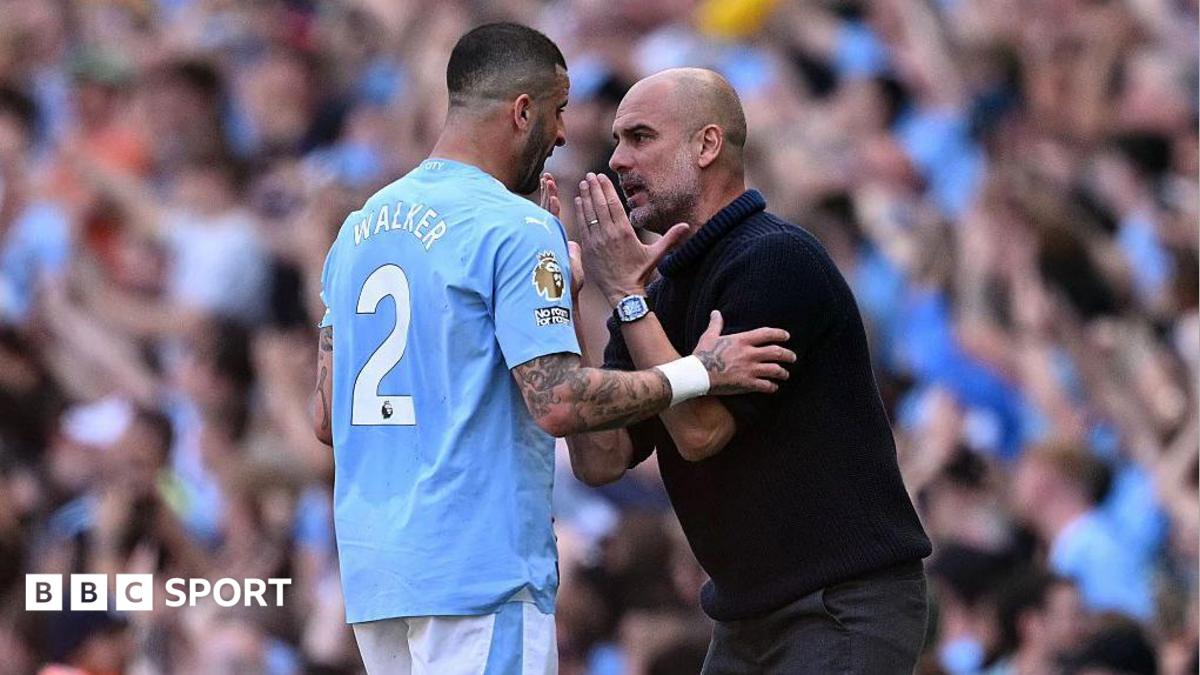
Amazon's Pep doc shows the raw, tearful breakdown behind City's final years
1 month, 1 week ago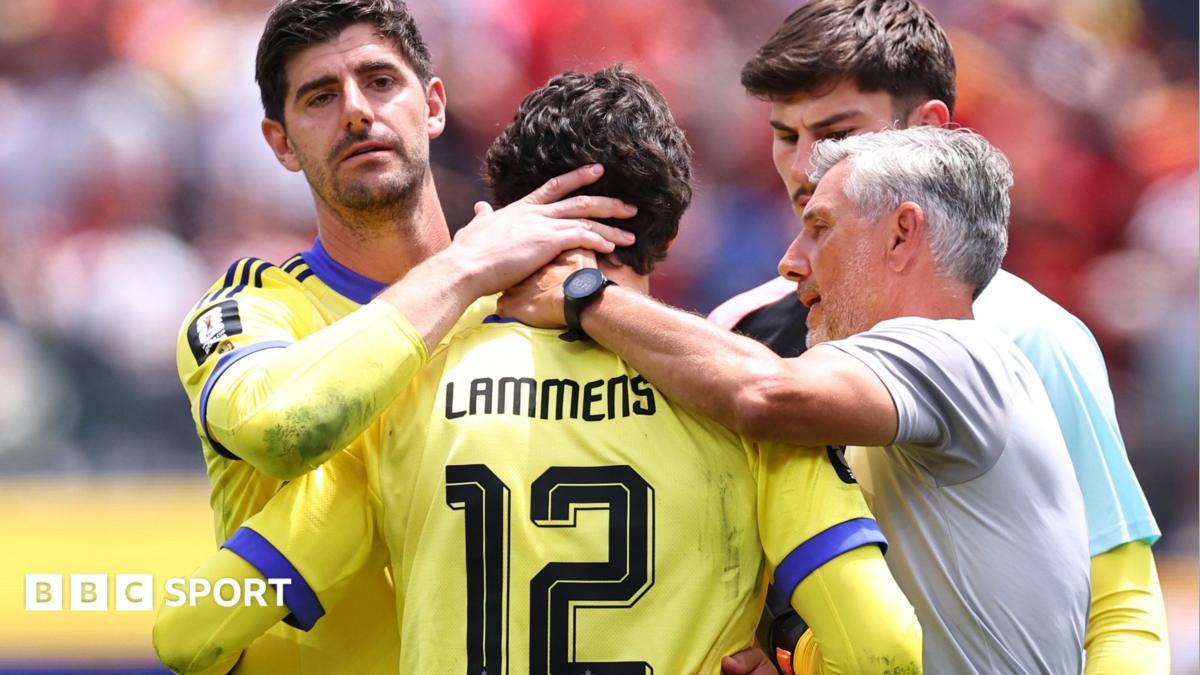
Belgium's collapse is the ultimate cautionary tale for modern football
2 months, 2 weeks ago
Top 10: belgium
2 months, 2 weeks ago
Thibaut Courtois' quad injury caps a wild World Cup fitness crisis
2 months, 2 weeks ago