The Deception of the Numbers
Sixteen shots, 60% possession, and a 2.04 to 0.76 advantage in Expected Goals (xG) suggest a comfortable knockout progression, but England's victory over DR Congo in Atlanta was anything but serene. While a glance at the post-match match details shows a dominant performance, the tactical reality was far more troubling. Thomas Tuchel's side did not control this match; they survived it through late individual brilliance.
The underlying data reveals a sluggish, predictable attack that struggled to break down a well-organized opponent. The early defensive breakdown occurred in the 7th minute when DR Congo exposed England's slow transition play. Chancel Mbemba found space on the right flank and delivered a low cross that bypassed John Stones entirely.
Brian Cipenga anticipated the trajectory, darting between England's center-backs to fire home his first senior international goal. The Atlanta Stadium, heavy with humidity, fell silent as England stared at an early exit. DR Congo's defensive shape immediately reverted to a rigid 5-4-1 block.
This forced England to circulate the ball slowly across their back line without making forward progress. England covered just 108 kilometers as a team, a significant drop from their group-stage average of 114 kilometers. This lack of movement made it easy for the Congolese defense to shift and cover passing lanes.
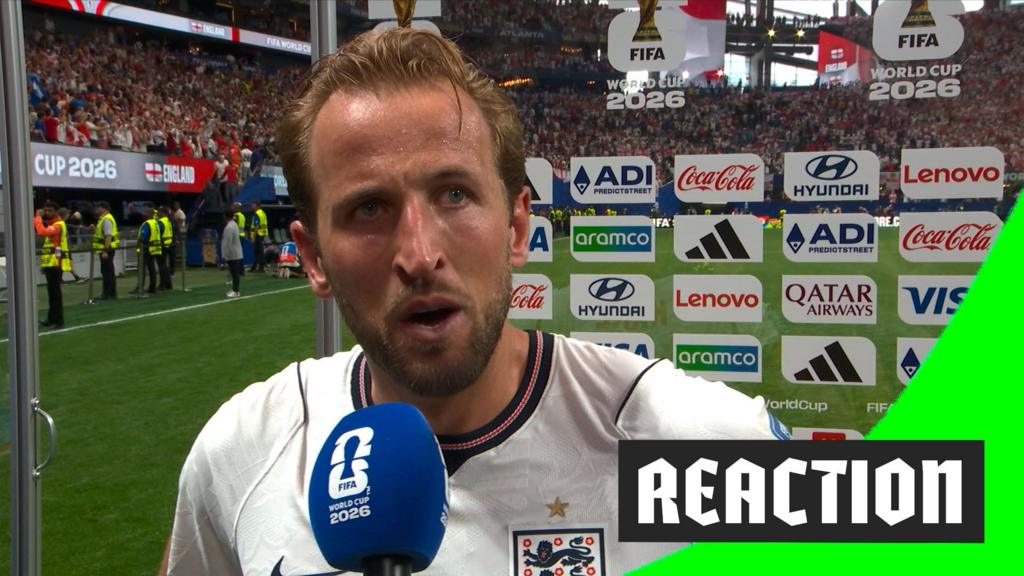
The team looked physically and tactically stagnant. In his post-match comments to the BBC, Harry Kane was eager to praise his team's resilience. The captain described the hard-fought victory as England's top performance so far in North America.
"our best game of the tournament"
The underlying metrics, however, paint a much more complicated picture of England's offensive efficiency. Until the 70th minute, England's average shot distance was 22 yards. This represents a clear indicator of their inability to enter the opposition box.
The Midfield Stagnation and the £116m Distraction
England's central midfield struggled to progress the ball beyond the halfway line. Declan Rice and Kobbie Mainoo functioned on parallel horizontal lines, rarely trading passes that broke the opposition lines. They exchanged 45 lateral passes between themselves in the first half alone.
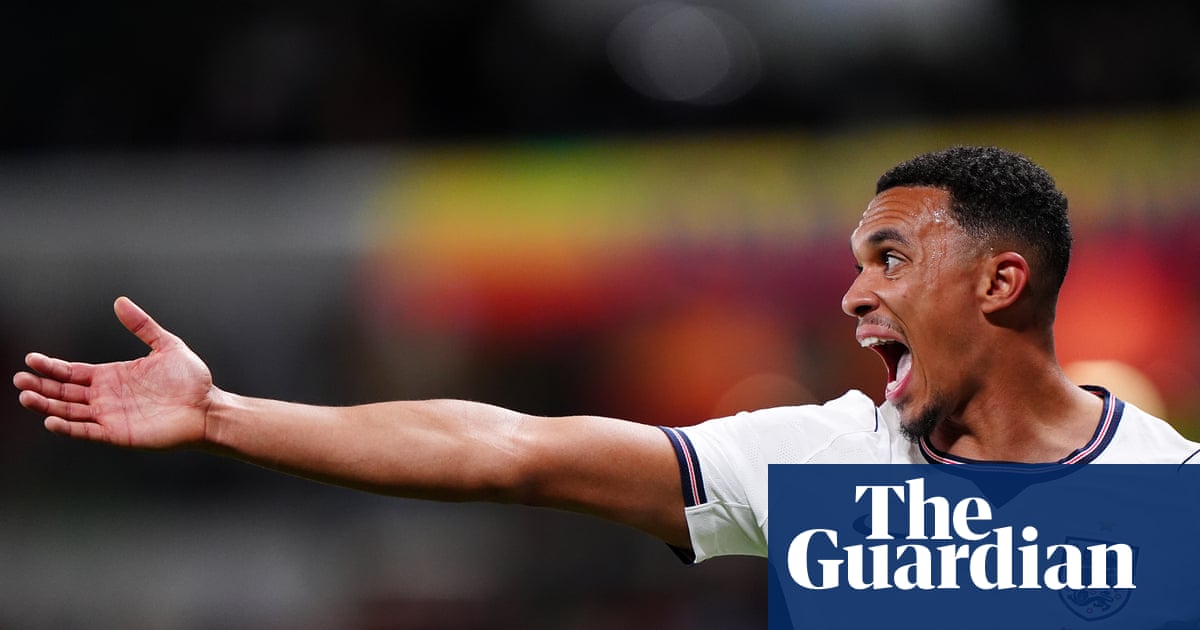
This sluggishness was compounded by the transfer saga surrounding Elliot Anderson. The 23-year-old midfielder was given special dispensation to undergo a medical for a record-breaking £116 million move from Nottingham Forest to Manchester City at the team's Kansas training base just days before the match.
Tuchel demands absolute focus, but Anderson's distracted performance in the first half reflected a wider camp malaise. The midfielder completed just 78% of his passes, far below his tournament average of 89%. He failed to register a single progressive carry in his 60 minutes on the pitch.
This lack of verticality forced Kane to drop deeper and deeper, leaving the forward line without a focal point. The team's shape disintegrated into a disjointed mess. Jude Bellingham was also isolated, receiving only 12 passes in the final third compared to his usual average of 28.
When Kane did get into the box, he found himself isolated against DR Congo's physical defenders. The frustration boiled over in the 54th minute when Kane went down under a challenge from goalkeeper Lionel Mpasi. Jordanian referee Adham Makhadmeh booked the England captain for diving, ignoring contact that replays suggested was clear.
Tuchel raged at the fourth official, Khalid Al-Turais, for three minutes from the edge of his technical area. Despite the protests, the decision stood without a VAR review. This left England frustrated and still chasing a goal with time running out.
Comparing the Group Stage Blueprints
To understand how passive England were in Atlanta, we must look at their Group L campaign. England topped the group with 7 points, scoring 6 goals and conceding 2. In their opener, a wild 4-2 win over Croatia, they played with directness and speed, creating 11 chances from open play.
That high-risk approach was balanced by a controlled 2-0 win over Panama, where Jude Bellingham and Kane dictated the tempo from the center of the park. However, the worrying warning sign came in the 0-0 draw against Ghana. In that game, England had 62% possession but generated only 0.45 xG.
The match against DR Congo followed that exact Ghana template for the first 68 minutes. England's pass completion rate in the final third was a miserable 64% before the introduction of substitutes. They were recycling possession for the sake of possession, not progression.
The Impact of Anthony Gordon
Everything changed when Anthony Gordon replaced Anderson in the 68th minute. Gordon immediately stretched the pitch on the left wing, forcing DR Congo's defensive block to widen. This tactical adjustment created the space Kane needed to operate in the center.
Instead of tucking inside like Anderson, Gordon stayed glued to the touchline. This dragged DR Congo's right-back Gedeon Kalulu out of position and opened up the half-spaces. Within seven minutes of his entry, Gordon drove past his marker and delivered a precise cross.
Kane converted it in the 75th minute to draw England level. The winning goal in the 86th minute followed an identical pattern. Gordon isolated his fullback, beat him on the outside, and cut the ball back for Kane to secure the 2-1 comeback.
Gordon's 22 minutes on the pitch yielded two assists, three key passes, and two successful dribbles. He single-handedly solved the balance issues that had plagued Tuchel's system all afternoon. His direct running style contrast sharply with the slow passing that preceded him.
The Looming Mexico Test
England now face co-hosts Mexico on July 6, 2026, at the Mexico City Stadium in the Round of 16. That match will be played in front of a hostile crowd and at high altitude. If England replicate the slow, predictable build-up play they showed in Atlanta, Mexico will punish them.
Tuchel cannot rely on late-game rescue missions from the bench in the altitude of Mexico City. The data from the DR Congo match shows that England's starting XI is currently less than the sum of its parts. The manager must decide whether to reward Gordon with a starting spot or persist with his rigid, possession-heavy shape.
In his post-match comments, Kane claimed this victory was our best game of the tournament, but the manager knows his side is playing with fire. A repeat performance in Mexico City will result in a flight home. England must adapt, or their World Cup journey will end on July 6.
Read Next
- Harry Kane got robbed in Atlanta and I am ready to riot
- Tuchel's England faces the ultimate trap game against DR Congo
- Tuchel's right-back crisis could derail England against a stubborn DR Congo
- Thomas Tuchel's selection crisis makes England vulnerable to DR Congo
- 🏆 World Cup 2026 — Full Coverage Hub
- 🏴 England World Cup 2026 — Three Lions Hub