Financial handbrakes and a tactical void
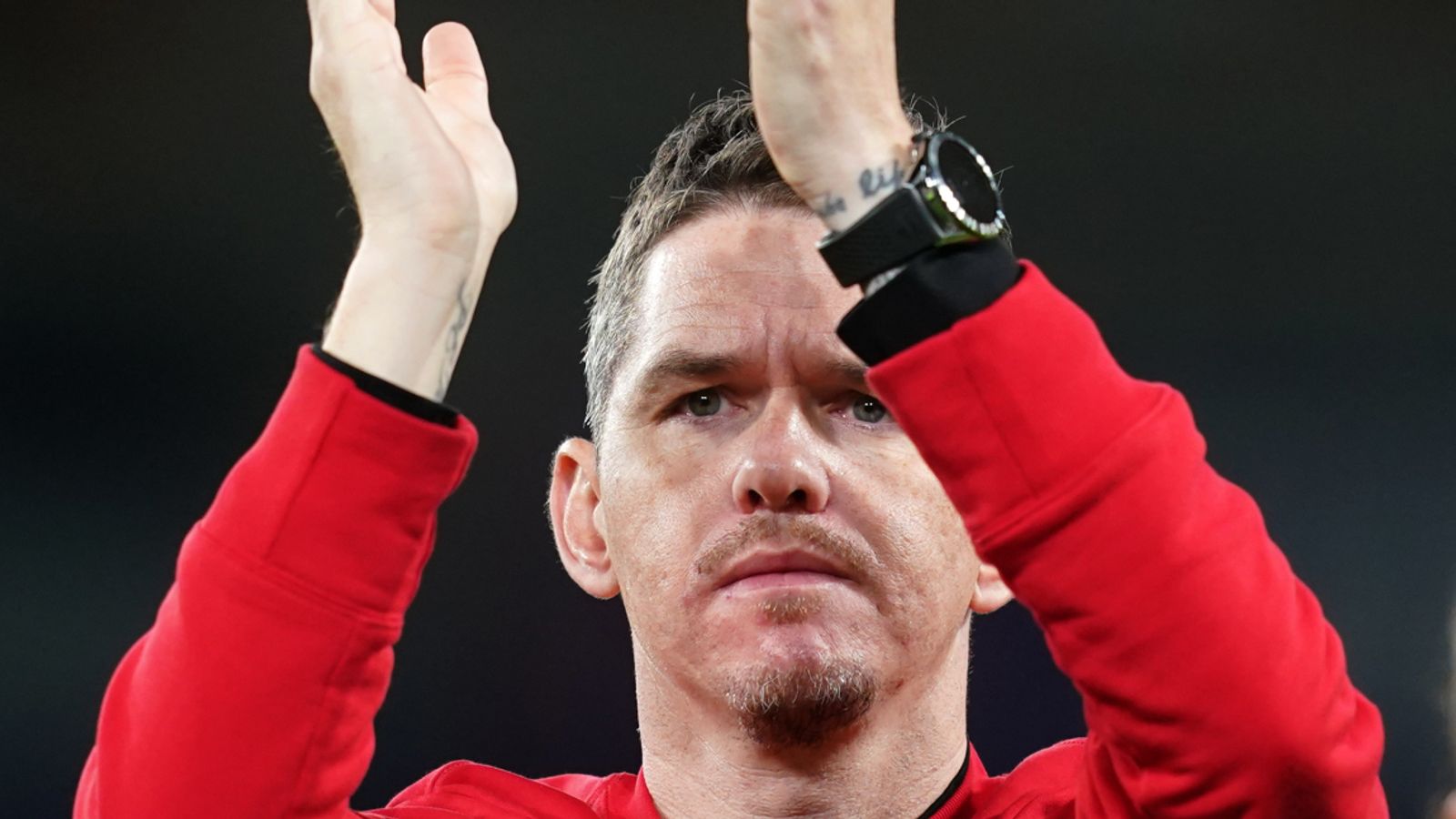
Marc Skinner's departure from Carrington on August 3 was sold as a mutual parting of ways, but make no mistake: this was a retreat driven by the balance sheet. After finishing 5th in the WSL last season and falling short of Champions League qualification, United's board effectively signaled that closing the gap to Chelsea and Manchester City was getting too expensive.
Skinner leaves behind a squad trapped in tactical purgatory. United recorded a dismal 44.2% high-turnover pass completion rate during their defensive transitions last term, routinely exposing their central pivot when pinned back by mid-block presses. Without significant squad investment or a clear tactical philosophy lined up, United are about to feel the cold reality of stagnant ambition.
The math simply does not add up
While Arsenal and Chelsea continue to arm themselves for European campaigns, United's hierarchy seems content to manage costs rather than compete for silverware. As outlined in recent reporting on Marc Skinner's exit from Sky Sports, United concerned themselves heavily with the escalating cost of maintaining a top-three title chase.
When a club signals that competing at the elite level costs too much, top players notice. United managed just 1.41 xG per 90 against top-four opposition last season, a figure that highlights their complete inability to create quality chances when denied space in transition. Expecting an incoming manager to fix structural personnel flaws with reduced backing is pure fantasy.
My prediction for the 2026/27 campaign
United will not top their 5th-place finish from last season; in fact, they are far more likely to slide toward 6th or 7th as revamped sides like Aston Villa and Brighton capitalize on their instability. The top three spot is completely out of reach, and the distance between Carrington and the European places will widen significantly by May.