The geopolitical circus at the border
Today is June 30, 2026. The World Cup has reached the knockout stages, but off-pitch friction is dominating the headlines. A diplomatic firestorm has erupted, overshadowing the football just as the tournament enters its most critical phase.
Earlier today, U.S. Homeland Security Secretary Markwayne Mullin set off a diplomatic row by celebrating the elimination of the Iranian national team. Mullin admitted he was glad to see the team exit the tournament, noting that managing their presence was a logistical headache.
“I was so happy when we said they could leave US soil,” Mullin remarked, adding that “there wasn’t a single team that we dealt with more than them.”
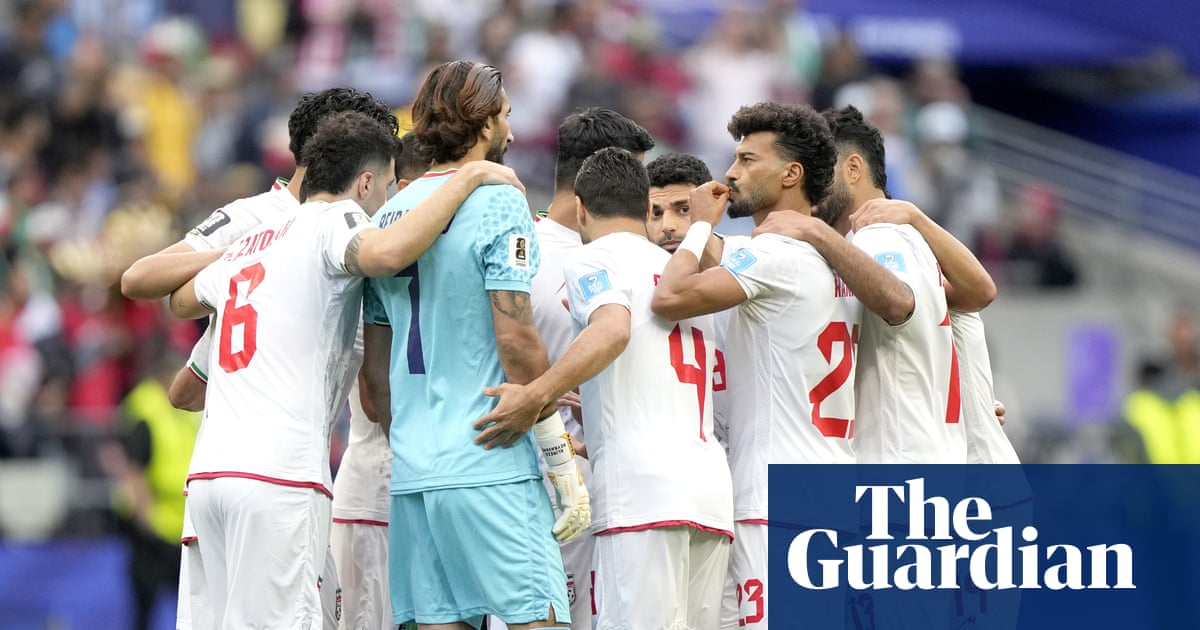
The comments drew a fierce response from Tehran. As The Guardian reported, Iran's football federation accused the co-hosts of peddling “lies” and subjecting their players to “mistreatment” throughout the tournament.
It is difficult to dismiss Iran's complaints as mere sour grapes. The tournament organizers forced the Iranian squad to base themselves in Tijuana, Mexico, for the duration of the group stage. The players were only permitted to cross the border into the United States immediately before their matches.
This logistical hurdle severely disrupted their recovery schedules and training sessions. Despite these harsh restrictions, Iran performed admirably on the pitch. They exited Group G with three draws, taking points from New Zealand, Belgium, and Egypt.
Mullin even joked in a briefing that he might’ve sung a song or danced a happy dance upon their exit. Such petty remarks from a host nation representative have cast a shadow over the tournament's integrity. Now, the pressure shifts back to the host nation's team to deliver under a cloud of controversy.
Pochettino’s high line and the Turkish warning
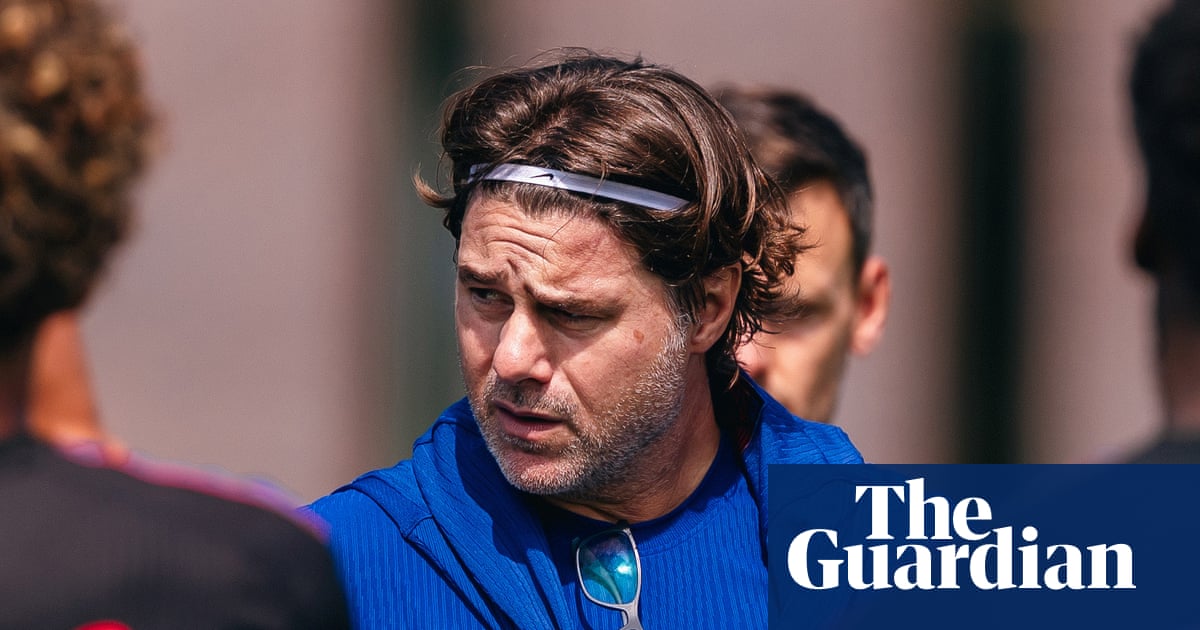
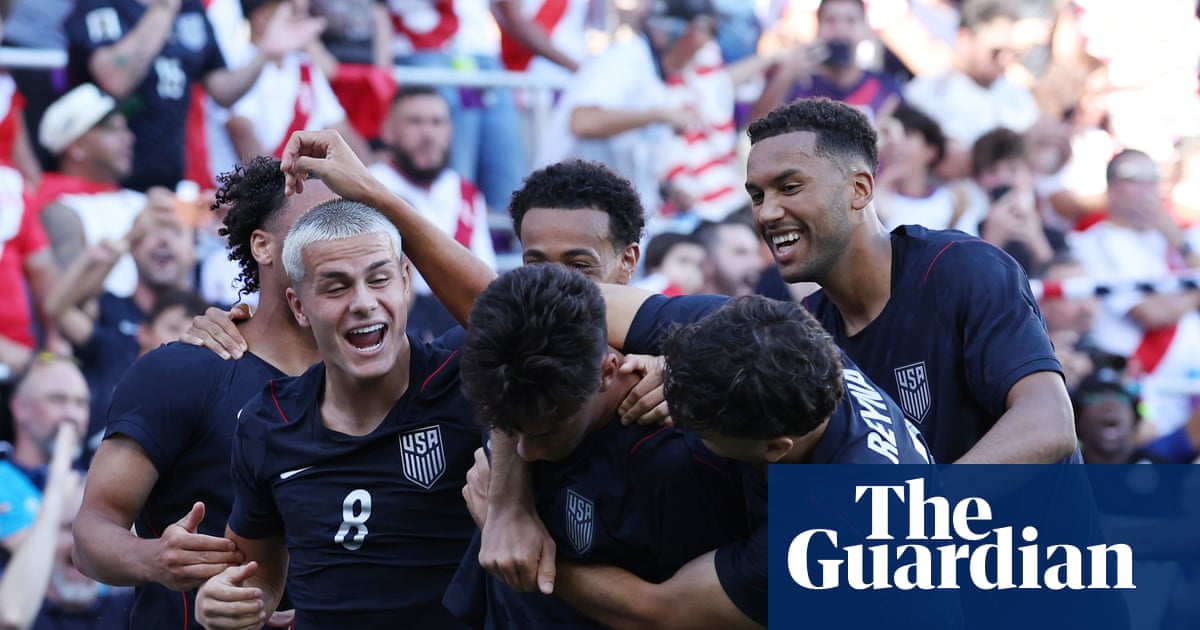
Tomorrow night at Levi's Stadium in Santa Clara, the USMNT faces Bosnia and Herzegovina in the Round of 32. Mauricio Pochettino has brought tactical clarity to this American squad, but the group stage revealed lingering structural flaws.
The tournament started with a dominant 4-1 victory over Paraguay in Group D. The ball moved quickly through the half-spaces, with Christian Pulisic cutting inside to create overloads. That was followed by a mature 2-0 win against Australia, where the midfield trio of Yunus Musah, Tyler Adams, and Weston McKennie controlled the tempo.
Then came the wake-up call. Türkiye exposed the flaws in Pochettino's system during a chaotic 3-2 defeat in the final group match. The Turkish wingers repeatedly caught the US fullbacks out of position on transition, exposing the lack of cover provided by the midfield.
In Pochettino's preferred shape, the center-backs split wide during build-up, allowing the defensive midfielder to drop deep. While this creates numerical superiority in the first line of pressure, it leaves massive gaps if possession is surrendered. During the group stage, both Paraguay and Türkiye exploited this spacing, highlighting the vulnerability of the American center-back pairing.
The second Turkish goal in the 74th minute was a textbook example of this vulnerability. McKennie lost possession in the middle third, and the defensive transition was slow to react. Tim Ream and Chris Richards were repeatedly left isolated in defensive transitions.
The high defensive line works when the counter-press is sharp. When the press fails, it is tactical suicide. Pochettino's side still topped Group D with six points, but that defeat to Türkiye took away their aura of invincibility.
It showed that a disciplined opponent can exploit the space behind Antonee Robinson if the midfield screen fails to halt the initial pass. Matt Turner, who started ahead of Matt Freese in goal, faced five shots on target and was exposed by his defense. He will need a much quieter night in California if the USMNT expects to survive the knockout phase.
Barbarez’s low block and the age-defying Džeko
Bosnia and Herzegovina will look to exploit those exact transition spaces tomorrow. Under head coach Sergej Barbarez, the Bosnians play a stubborn, defensive 5-3-2 system designed to frustrate superior opponents.
Barbarez has engineered a remarkable defensive turnaround for Bosnia, prioritizing compactness over territory. His five-man back line functions as a rigid screen, with the wing-backs rarely venturing past the halfway line. This defensive discipline was key to their survival against Switzerland, where they ground out a scoreless draw before employing the same block tomorrow.
Barbarez's side advanced after a vital 3-1 victory over Qatar in Group B. They finished third behind Switzerland and Canada, securing their knockout spot through sheer defensive resilience and clinical counter-attacking.
The centerpiece of the Bosnian team is Edin Džeko. At 40 years old, the Schalke 04 striker remains a lethal threat who does not run or press. Instead, he stands, waits, and destroys.
Džeko did not score in the group stage, but his hold-up play is elite. His physical presence allows Ermedin Demirović to make runs into the channels. If Ream and Richards allow Džeko to win first contacts, Bosnia will establish a foothold in the final third.
Bosnia averaged only 38 percent possession in the group stage. They do not care about the ball. They care about space, and they are comfortable defending deep in their own penalty area for 90 minutes.
Barbarez uses a double pivot in midfield with Tahirović and Haris Hajradinović to protect the back line. This block will sit extremely low, denying Pulisic the space he needs to operate. It is a classic tactical trap designed to lure the opponent forward before hitting them on the break.
Where tomorrow's match will be won and lost
The tactical battle will center on the middle third of the pitch. Pochettino must find a way to break through Bosnia's low block without exposing his center-backs to direct long balls.
Here are the three tactical keys to the match. Each will dictate the rhythm in Santa Clara:
- The Tahirović press: Musah and McKennie must press Benjamin Tahirović immediately when Bosnia attempts to build out. If Tahirović has time to turn, he will find Džeko with direct vertical passes.
- Defending the half-spaces: Antonee Robinson must curb his attacking runs. If he leaves the left flank vacant, Amar Dedić will exploit the space on the counter.
- Pulisic's central drift: Pulisic needs to move off the left wing to pull the Bosnian right-sided center-back out of the back line. This will create gaps for Folarin Balogun to run behind.
If the USMNT fails to execute these triggers, they will find themselves in deep trouble. Pochettino's high line requires intense physical output. If the team tire in the Santa Clara heat, the gaps between midfield and defense will widen.
Barbarez knows this. He will instruct his team to waste time, break up play, and frustrate the hosts. Bosnia will rely on Sead Kolašinac to bring veteran solidity to the left side of their defense, neutralizing Timothy Weah's pace.
The Americans must also be wary of set-pieces. Bosnia has significant height advantage, and Džeko remains a massive weapon in the air. Turner's command of his penalty box will be tested on every corner and long throw.
The Santa Clara prediction
This will not be a pretty game. The pressure on the USMNT is immense, especially with the political noise surrounding the host nation. Pochettino will likely start Tyler Adams to provide security in front of the back four, limiting Bosnia's ability to feed Džeko directly.
But the USMNT will struggle to break down the low block. Pulisic will need to produce a moment of magic. Expect Bosnia to score first on a set-piece transition, as Džeko's aerial strength remains a massive weapon.
However, the depth of the US bench should make the difference in the final half-hour. Pochettino will bring on Balogun or Brenden Aaronson to inject energy into the attack. The US will claw their way back.
We predict a hard-fought 2-1 victory for the USMNT after extra time. They will advance, but their defensive fragilities will remain a major concern.
Read Next
- Norway survived an Ivorian onslaught to set up a clash with Brazil
- Why Norway can actually beat Brazil in the Round of 16
- England's right-flank breakdown is setting up a World Cup disaster against DR Congo
- Julian Nagelsmann has run out of excuses for Germany's tactical decline
- 🏆 World Cup 2026 — Full Coverage Hub
- 🇺🇸 USMNT World Cup 2026 — Team USA Coverage Hub
- ⚽ MLS 2026 Season Hub — World Cup Year Guide