Solbakken's Vindicated Gamble
Ståle Solbakken was slaughtered in the Oslo press last week. Resting ten starters in a World Cup group game against France looked like organizational surrender, especially to the traveling fans who spent thousands to watch a marquee matchup. But today, that gamble paid off.
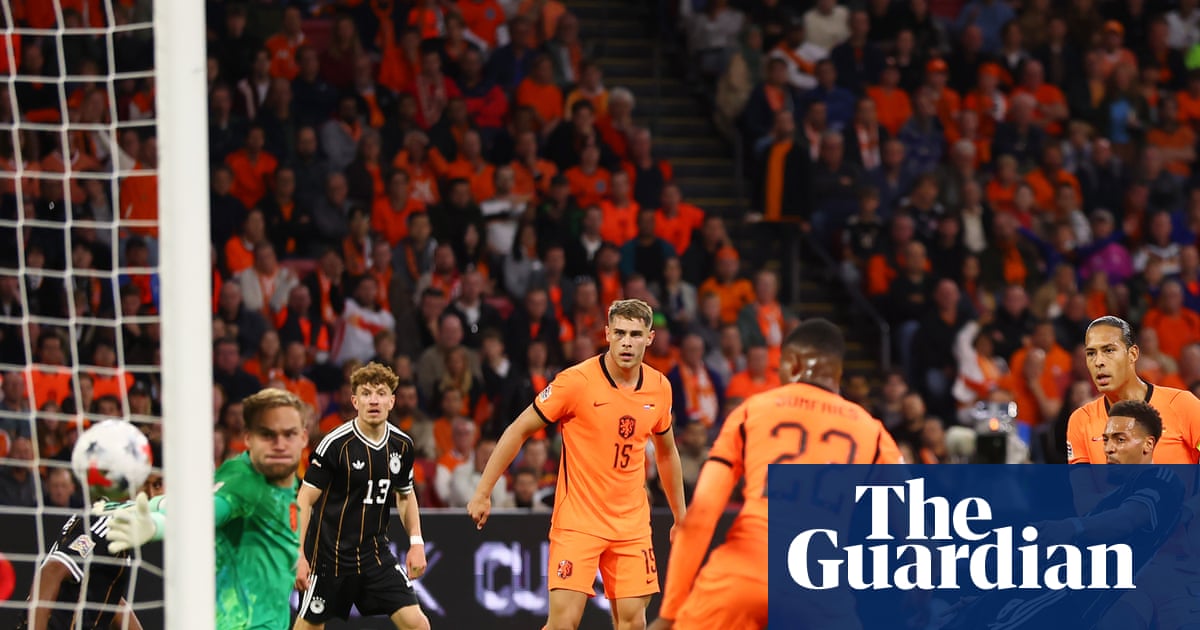
Norway's core is fresh, and they are in the last 16. The victory over Côte d'Ivoire in Arlington showed exactly why Solbakken prioritized rest. As The Guardian reported, Norway survived a late surge to seal their spot in the next round.
Now they head to East Rutherford to face Brazil. Carlo Ancelotti’s side is the historical heavyweight, but this match is a tactical trap for them. If Norway plays to their transitional strengths, they can pull off a historic upset.
Norway's Transition Blueprint
Let's look at the numbers. Norway managed an xG of 1.4 against the Ivorians, creating three big chances from direct transitions. Côte d'Ivoire dominated possession with 54 percent, but they struggled to contain Norway's verticality.
Martin Ødegaard was the architect. His 32-meter progressive pass in the first half bypassed the entire Ivorian midfield line. It found Antonio Nusa, who cut inside and curled a beautiful shot into the far corner.
But Norway's defensive vulnerabilities are real. When Sander Berge was dispossessed in the 74th minute, the backline collapsed. Amad Diallo was left completely unmarked at the back post to tap in the equalizer.
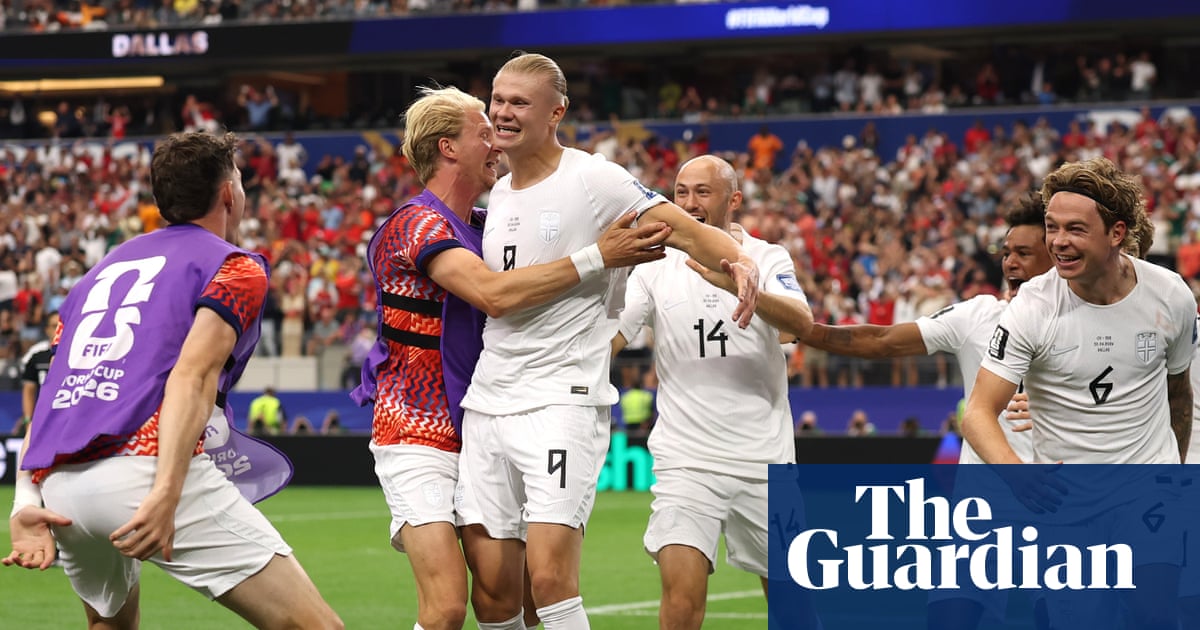
Yet, Norway did not panic. In the 86th minute, Erling Haaland showed his sheer physical gravity. He pinned two defenders, controlled Julian Ryerson's cross on his chest, and smashed the ball home.
It was Haaland's fourth goal of the tournament. He is playing with a level of sharpness we rarely see from him in June. Haaland's late winner, covered in the match report, vindicated the decision to rest him.
The Asymmetric Trap
In possession, Ryerson pushes high up the right flank. This creates a temporary 3-5-2, forcing the opponent's left-back to make a choice. If Douglas Santos tracks Ryerson, he leaves space for Alexander Sørloth to run into the channel.
If Marquinhos slides over to cover, Haaland is left one-on-one with Gabriel Magalhães. That is a matchup Norway will take every single time. Sørloth's role is often overlooked but tactically vital, acting as the physical foil for Haaland.
In the group stage, Haaland took 62 percent of his shots from central areas inside the box. Against Côte d'Ivoire, that figure shifted to the left channel as Solbakken adapted. This asymmetry is designed to pull center-backs out of position.
The MetLife Pitch Factor
Let's talk about the venue. MetLife Stadium's pitch has already drawn complaints this summer. The grass is slow, which favors a physical, direct team over a side relying on quick, short passing.
Norway can bypass the slow surface by playing long diagonals to Sørloth. Brazil will be forced to play through the middle, where the pitch will slow down their transitions. This is another subtle advantage for Solbakken.
Brazil's Midfield Speed Problem
Brazil, meanwhile, had a far more exhausting route to the last 16. They needed a 95th minute winner from Gabriel Martinelli to escape a disciplined Japan side. It was a match that exposed critical structural flaws in Ancelotti's system.
Ancelotti has spent the tournament trying to balance his midfield. He started with a 4-2-4 in the group stage, which yielded victories over Haiti and Scotland. They topped Group C with 7 points, but the balance was wrong.
Against Morocco, their midfield duo was overrun. In response, Ancelotti reverted to a three-man midfield against Japan, starting Casemiro, Bruno Guimarães, and Lucas Paquetá. It did not solve their core issue.
Japan's opening goal in the 29th minute was a tactical masterclass in exposing Casemiro. Kaishu Sano picked up the ball in the center circle and simply ran past him. Casemiro's recovery speed is no longer elite.
The space between Brazil's midfield pivot and their center-backs is a massive canyon. Japan exploited this space repeatedly, racking up nine shots. If Japan can do this, Ødegaard will have a field day.
Surviving the Brazilian Attack
Of course, Norway must survive Brazil's attack. Vinícius Júnior remains the most dangerous winger in the world. Leo Østigård and Kristoffer Ajer will have to defend their box with absolute perfection.
Norway's defense has conceded seven goals in four matches. That is a worrying trend for a knockout team. If they defend as loosely as they did against Senegal, Brazil will destroy them.
But Ancelotti has his own selection headache. Neymar remained on the bench against Japan, with Ancelotti admitting he was saving him for extra time. If Neymar starts, it could compromise Brazil's defensive pressing structure.
Under Ancelotti, Brazil has tried to become a collective pressing machine. When Matheus Cunha starts, the press works because he runs tirelessly. If Neymar enters the XI, that defensive work rate drops significantly.
This plays directly into Norway's hands. Without a coordinated press, Ødegaard will have the time to pick his passes. A free Ødegaard is a death sentence for any defense.
Tactical Forecast
We must also factor in the psychological weight. Norway has not played in a World Cup knockout match in 28 years. Brazil has the experience, but they also carry immense pressure.
Ancelotti was hired to win this tournament, nothing less. A Round of 16 exit to Norway would be a national catastrophe in Brazil. That pressure will mount if they do not score early.
I expect a cagey first half. Norway will sit in a mid-block, denying Vinícius space to run behind. They will rely on Berge and Patrick Berg to clog the central channels.
Brazil will dominate possession, probably around 60 percent. But their possession will be sterile, circulating slowly between Marquinhos and Danilo. Norway will wait for the pressing trigger.
That trigger will be a loose pass to Casemiro. Once Norway wins the ball, the transition will be immediate. Ødegaard to Nusa, Nusa to Haaland, goal.
It is a simple formula, but execution is everything. Solbakken has the tactical discipline to pull it off. He proved it against Senegal and vindicated it against Côte d'Ivoire.
Brazil will score, probably through a moment of individual magic from Rodrygo. But their defense will not hold. Haaland will find the winner on another counter-attack.
The final whistle at MetLife will signal a historic day for Norwegian football. Solbakken's rotation gamble will go down as a stroke of genius. Norway wins this 2-1.
Read Next
- Did Ståle Solbakken just throw away Norway's World Cup momentum?
- Why Norway's World Cup dreams rest on Odegaard's fragile shoulders
- Norway and Ivory Coast hit by major injury blows ahead of knockout clash
- England's right-flank breakdown is setting up a World Cup disaster against DR Congo
- 🏆 World Cup 2026 — Full Coverage Hub
- 🇧🇷 Brazil World Cup 2026 — A Seleção Hub
- 🇳🇴 Norway World Cup 2026 — Can Haaland Lead the Vikings?