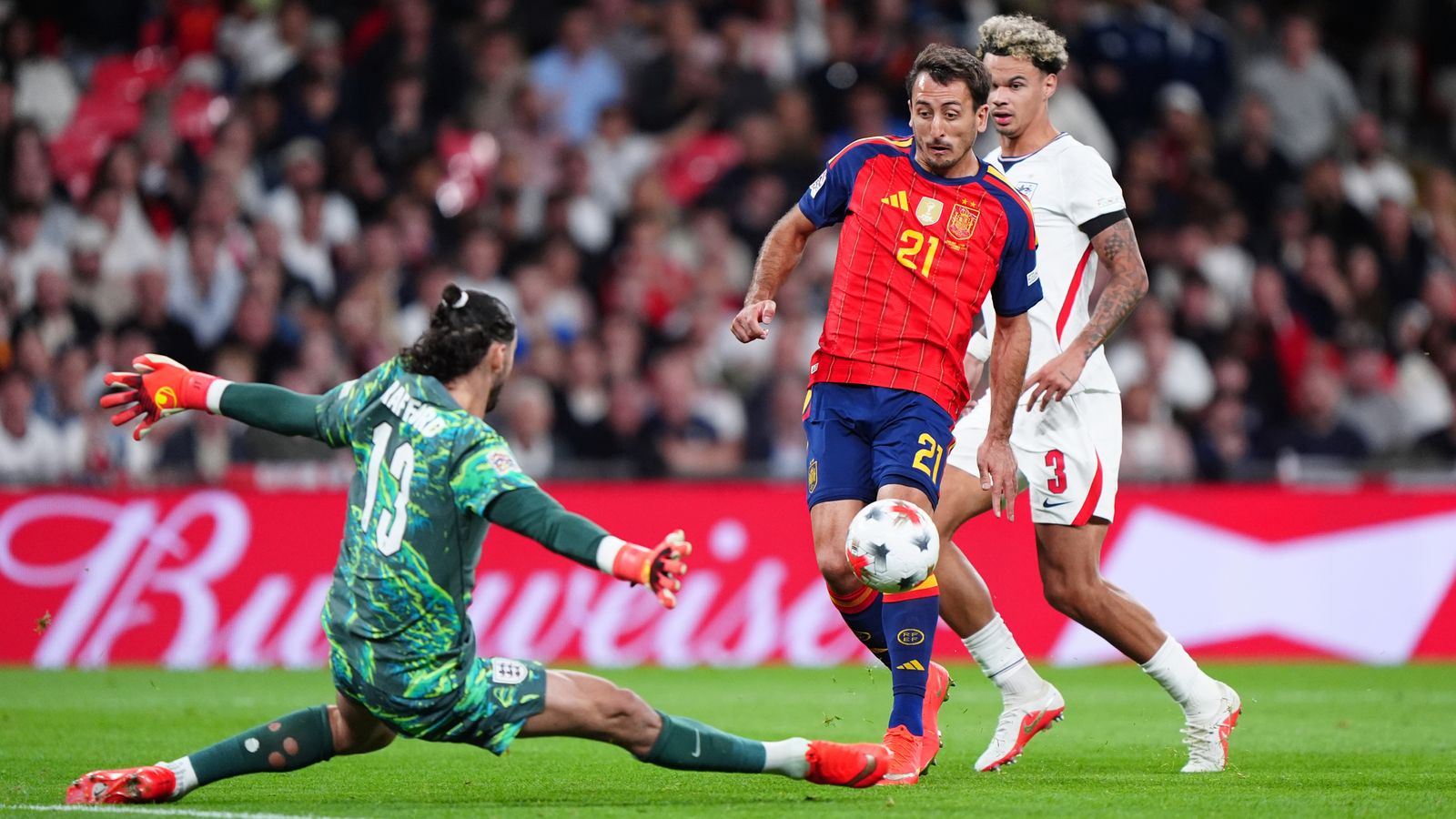
The 2026 World Cup final wasn't just a win, it was a referendum
Spain captured the title against Argentina, and the data suggests this wasn't an accident of form but a calculated dominance. Watching the final stages, Spain maintained an average possession of 62% against a high-pressing Argentine side that struggled to sustain defensive density after the 60th minute. High-precision passing in the final third turned the tide, specifically through the interior channels.
As The Guardian reported, the return of the squad to Madrid confirms a shift in national sentiment following their path through the bracket. While Argentina’s reliance on transition moments allowed them to keep the scoreline respectable, their xG output plummeted during the second half. They finished the match with an xG of just 0.45 compared to Spain's 1.82.
Tactical flaws behind the trophy
Despite the victory, the Spanish setup remains fragile against rapid counter-attacks. Their high defensive line provides excellent support for the midfield pivot, yet it left the center-backs isolated in the 78th minute. A cleaner touch from the Argentine forward line would have likely resulted in an equalizer at that 78th minute mark.
The reliance on short, lateral buildup play can become repetitive when the opposition forces play wide. Spain struggled to find creative space between the lines during the first 30 minutes, resulting in a pass completion rate that hovered under 75% in the attacking third. Coaches clearly need to find a way to integrate more verticality when the press is intense.
The future of the Spanish system
Looking ahead, this squad is built for sustained success but requires personnel adjustments to remain elite. The current tactical rotation works well against teams that lack a distinct secondary striker. If they face opponents who utilize a vertical long-ball strategy more effectively, they will struggle to win headers in the transition phase.
Predicting the next cycle is straightforward. Spain will retain their possession-first identity, but they must address the lack of box-crashing presence when the primary striker drops deep. If they fail to refine this movement, their dominance will end in the quarter-finals of future tournaments as teams find the space behind their aggressive full-backs.
The tournament performance confirmed that tactical rigidness—if executed at world-class speed—still trumps defensive grit in 2026. Spain managed 14 shots on target throughout the knockout stages, a metric that highlights their efficiency in the final third. They proved that holding on to the ball is still the deadliest weapon if you have the discipline to wait for the trigger pass.
Read Next
- Spain's 2026 World Cup win wasn't just flair, it was arithmetic
- Messi's desperate final act in Argentina's World Cup exit
- Spain’s defensive chokehold is the boring future of international football
- Post-World Cup burnout: Spain’s victory marks a turning point for football
- 🏆 World Cup 2026 — Full Coverage Hub
- 🇪🇸 Spain World Cup 2026 — La Roja Hub