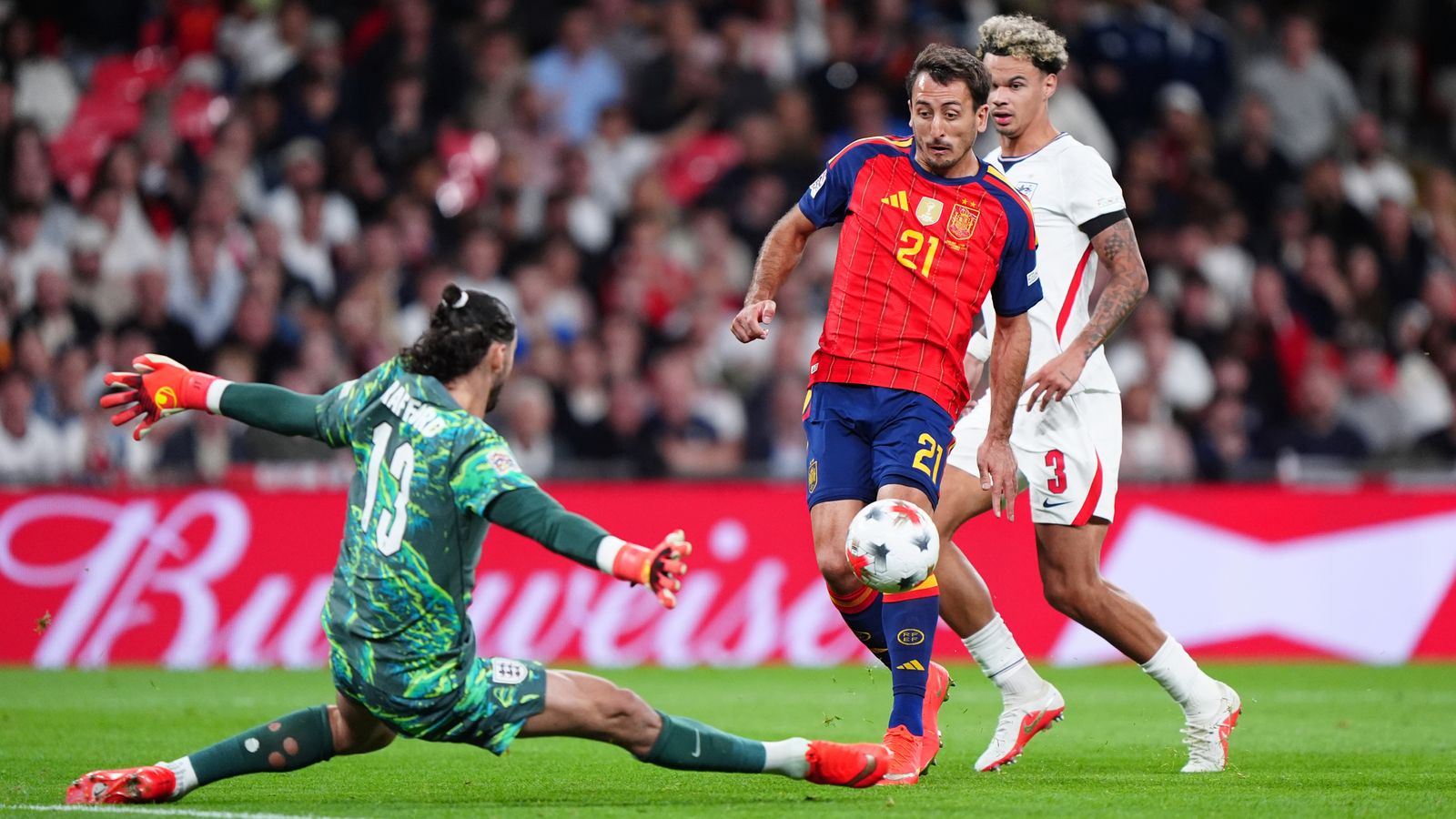
The cold reality of La Roja's dominance
Spain ended the 2026 World Cup final with a 1-0 victory over Argentina, but the scoreline hides a clinical defensive performance that defied modern expectations. While much of the pre-match narrative focused on Argentina's individual brilliance, Spain controlled the tempo through a restrictive possession model that saw them complete 88% of their passes even under high pressure during the final 20 minutes.
This wasn't tiki-taka revisited; it was a calibrated effort to neutralize counter-attacks. Spain limited Argentina to an expected goals (xG) output of just 0.42, a significant drop from the 1.85 per game Argentina averaged throughout the earlier knockout stages.
Data points behind the triumph
The tactical pivot relied on a high defensive line that compressed the middle, forcing Argentina into wide areas where chances were often redirected into low-percentage crosses. Spain recovered possession 14 times within the final third, preventing the ball from ever transitioning into their own defensive pivot.
Compared to their 2024 European Championship run, the side showed statistical maturity in how they managed fatigue. In the final, Spain engaged in 42 defensive duels, winning 62% of them, highlighting an aggressive ball-winning culture that minimized the need for tactical fouls. The single goal, scored by an efficient interplay at the 58th minute mark, represents their lowest volume of shots taken in any match this tournament, proving that precision far outstripped quantity.
Where the strategy cracked
Despite the trophy, the analysis of the final reveals a point of concern. Spain’s reliance on a narrow central block meant they conceded 72% of territorial control during the final 15 minutes as gaps appeared in the half-spaces. An elite side with a more composed playmaker might have exploited these channels, suggesting that Spain’s defensive success was as much about Argentina's inability to find the final ball as it was about Spanish defensive structure.
The tournament data recap indicates that Spain’s defensive performance in the final is the foundation of their success, yet the late-game concession of space remains a technical flaw. Achieving a 1-0 result on the biggest stage is rarely sustainable if defensive discipline fluctuates by more than 20 percent in the closing window of play. As the dust settles on the 2026 tournament, the numbers suggest that while Spain are worthy winners, their path to the title was narrower than the post-match celebrations might suggest.
Read Next
- Argentina and Spain are chasing the ultimate tactical prize in Jersey
- Spain and Argentina are forcing a tactical reset in New Jersey
- Spain have already outclassed Argentina in the World Cup final
- Spain’s defensive chokehold is the boring future of international football
- 🏆 World Cup 2026 — Full Coverage Hub
- 🇪🇸 Spain World Cup 2026 — La Roja Hub