Pull up a stool, order a pint, and pinch yourself. For six decades, British football administrators have walked into FIFA hotel suites and walked out looking like marks in a carnival shell game. Remember the infamous 2018 men's bid where England sent Prince William and David Beckham to Zurich, made grand presentations, and left with exactly two votes?
Well, wipe away those old scars. FIFA is set to confirm on Monday that the UK will host the 2035 Women's World Cup. That marks the first World Cup staged on British soil since Bobby Moore wiped his hands on the velvet rails to collect the trophy from Queen Elizabeth back in 1966.
Sixty-nine years of waiting is finally over. Naturally, there is a catch. The four home nations did not pull off a tactical masterclass or out-hustle global rivals to win the tournament rights.
They are simply the only ones who stayed in the race. England, Scotland, Wales, and Northern Ireland put together the All Together bid, glanced around the room, and realized nobody else had bothered to submit paperwork. Running unopposed is not the most glamorous way to bring football home, but nobody in London, Glasgow, Cardiff, or Belfast actually cares.
A delegation is in Zurich right now while national associations prepare to ratify the decision through a virtual meeting. After years of heartbreak and diplomatic blunders, the United Kingdom is getting a World Cup by default. Take the win and do not look back.
Four Nations, Nineteen Stadiums, and a Leaky Roof
Let us examine the venue map because this is where the politics turn into an absolute pub brawl. The bid pitches 19 venues spread across four nations. As expected, England takes the lion's share with 14 designated stadiums.
You get modern corporate cathedrals like Wembley, the Tottenham Hotspur Stadium, and the Emirates. You also get traditional grounds including Villa Park, St James' Park, Elland Road, the City Ground, and the Stadium of Light. Ashton Gate and the Amex give the south a solid footprint, while Everton's shiny new Hill Dickinson Stadium anchors the Merseyside contingent.
Then there is Old Trafford, where Manchester United's historic ground made the official cut despite a roof that leaks like an open sieve during every local drizzle. Bid documents state that if United's proposed new stadium never leaves the drawing board, the current decaying stadium remains locked in. Let us pray the Manchester skies stay clear in July 2035, or defenders will need swimming goggles to clear corner kicks.
Three reserve stadiums are waiting in line to expand the party to 22 venues across 16 cities. That standby group features a planned Powerhouse Stadium in Birmingham, a speculative new Chelsea ground, and Wrexham's Racecourse Ground.
Think about that for a second. A decade ago, Wrexham was an obscure non-league outpost fighting for survival. Now Ryan Reynolds and Rob McElhenney could see their club host the planet's elite players in North Wales.
Noel Mooney, the chief executive of the Football Association of Wales, pointed out that Wales has been a football nation for 150 years without ever staging anything of this size. With Cardiff City Stadium and the towering Principality Stadium locked in, Welsh fans are finally getting their moment.
Across the northern border, Scotland gets two storied grounds with Edinburgh's Easter Road and Glasgow's Hampden Park. Scottish Football Association boss Ian Maxwell called the tournament the most significant thing to happen to the Scottish women's game. He emphasized that the financial backing poured into player pathways and coaching before the tournament will shape the sport for generations.
The Belfast Redemption and the Casement Park Debacle
The most dramatic stadium narrative belongs across the Irish Sea in Northern Ireland. To appreciate what Windsor Park staging World Cup matches means, you have to revisit the political disaster of 2024.
Northern Ireland was initially slated to co-host the men's Euro 2028 tournament alongside the other home nations and the Republic of Ireland. That celebration crashed into a wall when the UK government refused to fund the redevelopment of Casement Park in Belfast. The city was dumped from the roster while the rest of the British Isles moved forward without them.
It was an embarrassing mess that left local supporters feeling like second-class citizens. Now, a renovated Windsor Park gives Northern Ireland a genuine redemption story on the international stage.
Irish Football Association chief executive Patrick Nelson spoke directly to the generational impact of the decision. He made it clear that having a seat at the table changes everything for the domestic game:
"would be felt in every club and every age group, in every part of the country. Our young players would grow up having watched the best in the world play at home, and there is no substitute for that."
Nelson is dead on. After the Casement Park nightmare, shutting Northern Ireland out of 2035 would have blown up the entire concept of a united four-nation tournament. Getting Belfast back onto the global calendar was essential.
The FIFA Shakedown: Medium Risk and Tax Demands
Now let us get to the dirty business, because no major tournament arrives without FIFA trying to run a corporate shakedown. As reported by BBC Sport, FIFA's evaluation report gave the UK bid an impressive score of 4.3 out of five.
That is a glittering mark on paper. But bury your nose in the legal footnotes, and you discover the contractual framework was slapped with a medium risk rating.
The evaluation noted that government guarantees contained material qualifications regarding tax and safety. That bureaucratic jargon translates to something very simple: FIFA wanted total tax-free status for all football-related activities, and the Treasury pushed back.
According to the bid evaluation published by FIFA, inspectors noted that proactive engagement and a long lead-in time provide a sound basis for resolving disputes. Yet Gianni Infantino turning up on foreign shores demanding tax exemptions is classic FIFA theater. They collect billions in broadcast revenue, hand local governments the massive policing bill, and demand red-carpet treatment down the motorway.
Give credit to the UK Treasury for actually showing some spine during negotiations. With nine years before the opening match, both camps will haggle over the legal terms. Nobody expects the tournament to collapse over corporate tax perks, but seeing the hosts refuse to fold immediately is refreshing.
A 104-Match Monster and the Ghosts of Sydney
When the tournament actually arrives, brace yourselves for pure sensory overload. This is not the tidy, compact tournament that used to fit neatly into a three-week summer television window.
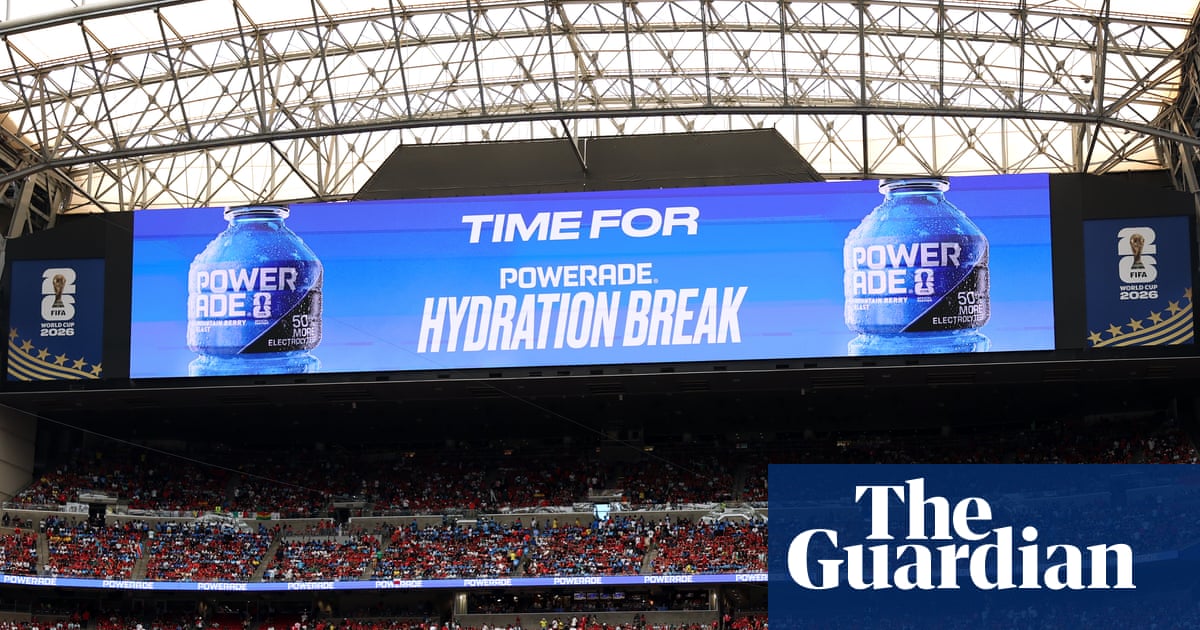
The 2035 finals will showcase 48 teams battling across 104 matches during 39 days of nonstop action. That is a punishing schedule that will push every transport network, hotel district, and supporter bar to the limit.
The expanded 48-team circus debuts in 2031 across the United States, Mexico, Costa Rica, and Jamaica. By the time that circus rolls into Britain four years later, the sheer size of the competition will be unprecedented on European soil.
Football Association chief executive Mark Bullingham pointed to the massive aftershocks of the Lionesses winning Euro 2022 as proof the country is ready for the spotlight:
"Hosting Euro 2022 allowed us to change the game in our country, by creating a generation of aspirational role models and growing demand from women and girls to play. Hosting a World Cup would give us the chance to build on that across all four nations."
Bullingham is right about the appetite for the game, but the organizational hurdles will be massive. Coordinating four separate football associations, dozens of regional councils, and two dozen venues requires flawless execution.
There is also a massive score left to settle on the pitch. English supporters still carry the bitter memory of Sydney in August 2023, when Spain edged the Lionesses 1-0 in the final.
Watching Mary Earps deny Jennifer Hermoso from the penalty spot only to watch the trophy slip away broke hearts across the country. Staging the final at Wembley in 2035 is the ultimate chance for revenge on home grass.
Is the tournament completely equitable across the borders? Of course not. Handing 14 venues to England while Scotland and Wales get two each shows who holds the real power at the table.
Still, when the opening ceremony kicks off, the bureaucratic nonsense will fade into the background. A World Cup in Britain has been missing for two generations. Pour a drink and get ready, because nine years of hype start right now.
Read Next