Messi's desperate final act in Argentina's World Cup exit

The tactical decline under pressure
The image of Lionel Messi in the 2026 World Cup final was not one of a maestro controlling the tempo, but of a figure becoming indistinguishable from the chaos around him. Watching Argentina falter against Spain, it became evident that the team has abandoned the technical precision that defined their 2022 success in favor of a cynical, short-sighted approach.
As Mirror Football reported, Messi participated directly in the dark arts that marred the late stages of the match. For a player who built a career on spatial awareness and an unerring ability to prioritize the ball over confrontation, this shift toward off-the-ball petulance is a troubling development.
Mechanical failures in the Argentine press
Tactically, Argentina relied on low-block defensive structures that Spain dismantled with surgical accuracy. By the 72nd minute, the passing lanes through the midfield were completely obstructed by Rodri and Pedri, forcing Messi to retreat into deeper zones where his influence is naturally diluted. His pass completion rate fell to 74 percent in the second half, a significant drop from his tournament average.
Instead of addressing the lack of lateral movement in the final third, the leadership group turned to disruption. Fouls replaced passing combinations as the primary tactical tool. The refereeing statistics from the closing stages tell a specific story: four yellow cards issued to Argentine players between the 80th minute and the final whistle. This is not tactical toughness; it is a breakdown of game management.
The cost of emotional volatility
The most alarming element of this performance was Messi failing to act as the stabilizing presence his teammates needed. When a squad resorts to skirmishes in the opposition penalty area, it signals that the plan has been exhausted. Spain navigated the closing ten minutes with 82 percent possession, effectively neutralizing Argentina’s high-press attempts by simply moving the ball across the back line.
This reliance on confrontation masks a deeper concern about the aging core of the roster. If the strategy hinges on slowing the game through agitation rather than outplaying the opponent in middle-third transitions, the margin for error effectively vanishes. Messi is ultimately responsible for the culture of the team, and his involvement in these incidents complicates the narrative of a pristine career.
The defensive pivot was particularly poor. When Spain transitioned into their 4-3-3 formation during extra time, the gaps between the Argentine center-backs opened up, yet the focus remained on petty disputes rather than tracking runners. It is a harsh assessment, but this performance suggests a lack of tactical discipline when the game state turned against them. For a player of his status, engaging in the theatrics is an admission that he no longer trusts the game plan to deliver the result.
Read Next
- Messi and Yamal: The changing of the guard in New Jersey
- Argentina's obsession with disruptive tactics hit a wall
- Spain's 2026 World Cup win wasn't just flair, it was arithmetic
- Yamal has ascended and the football world is reeling
- 🏆 World Cup 2026 — Full Coverage Hub
- 🇦🇷 Argentina World Cup 2026 — Defending Champions Hub
The Mixer: The Story of Premier League Tactics, from Route One to False Nines by Michael Cox
The ultimate tactical deep-dive into the Premier League's evolution.
Frequently Asked Questions
How did Lionel Messi's performance change during the 2026 World Cup final?
What tactical issues caused Argentina to struggle against Spain?
Why did Argentina switch to playing with high aggression?
How did Spain neutralize Argentina's high-press attempts?
What does the article claim about Messi’s leadership during the defeat?
More Coverage

Arsenal face Leeds with Arteta locked in and a point to prove
1 week, 5 days ago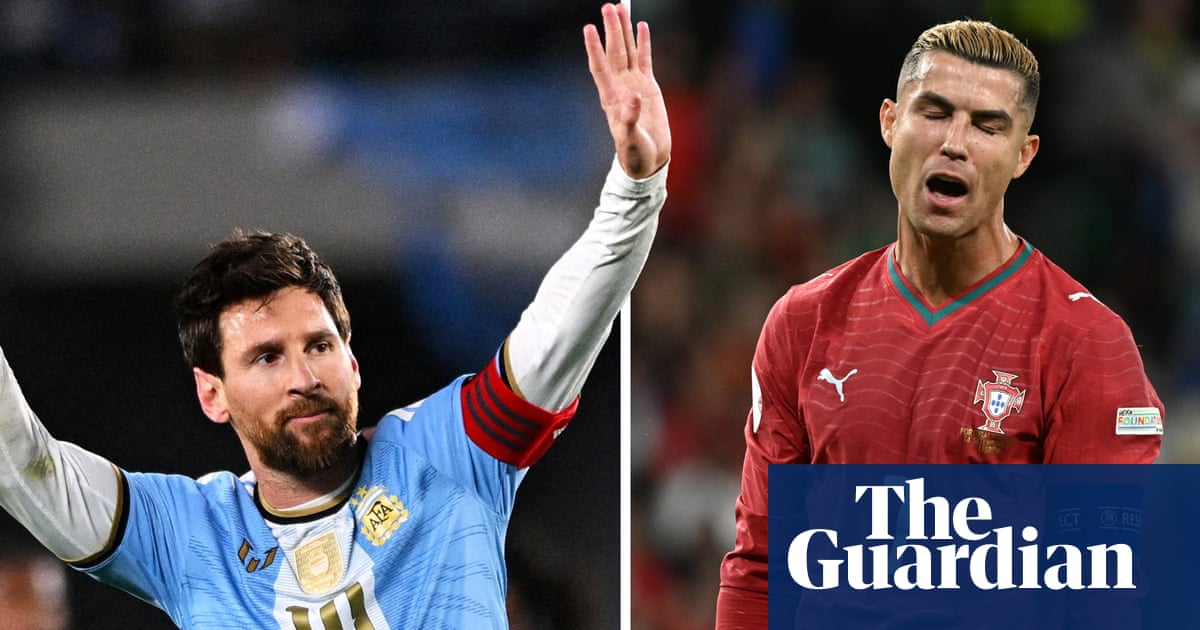
Portugal are about to play their best football in a decade without Ronaldo
1 week, 5 days ago
Top 10: World Football's Biggest Storylines, Scandals, and Shocks of 2026
1 week, 6 days ago
Portugal are finally better off without Cristiano Ronaldo
2 weeks ago
Messi bids farewell to Argentina as his club ownership plan takes shape
2 weeks ago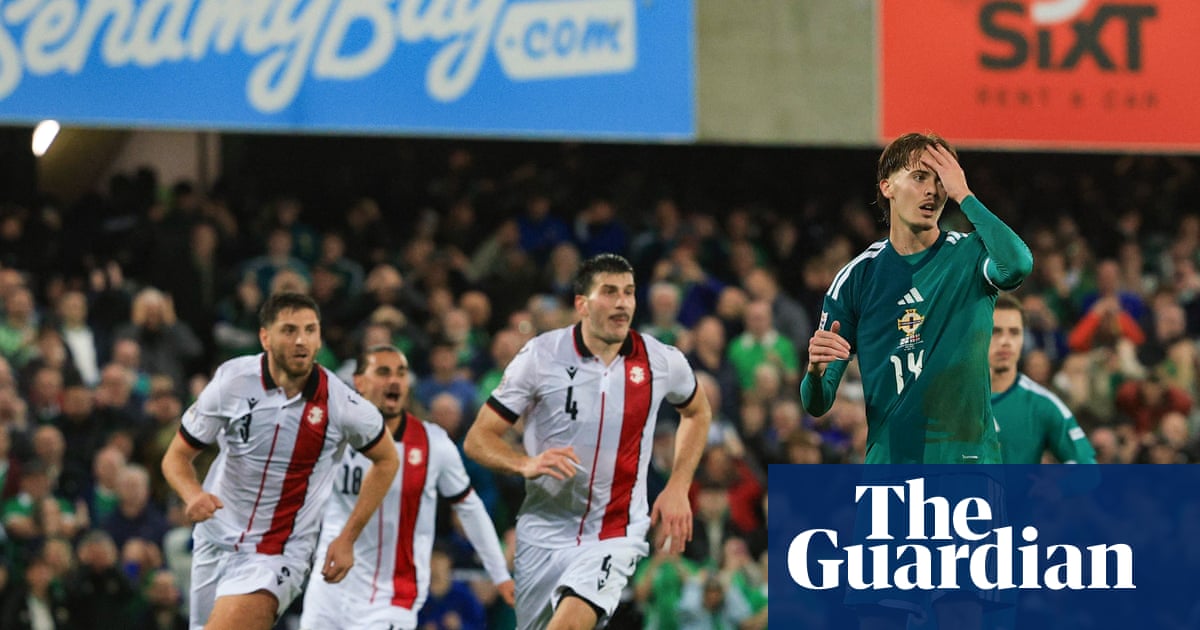
Michael O'Neill's youth movement is ahead of schedule, but flaws remain
2 weeks agoMore Analysis
Portugal are about to play their best football in a decade without Ronaldo
1 week, 5 days ago
Top 10: World Football's Biggest Storylines, Scandals, and Shocks of 2026
1 week, 6 days ago
Messi bids farewell to Argentina as his club ownership plan takes shape
2 weeks ago
England lost to Spain but the Nations League is actually working
3 weeks agoFrom Wayne Rooney's debut to Bernabéu shockers: Football's wildest September 28
3 weeks, 1 day ago