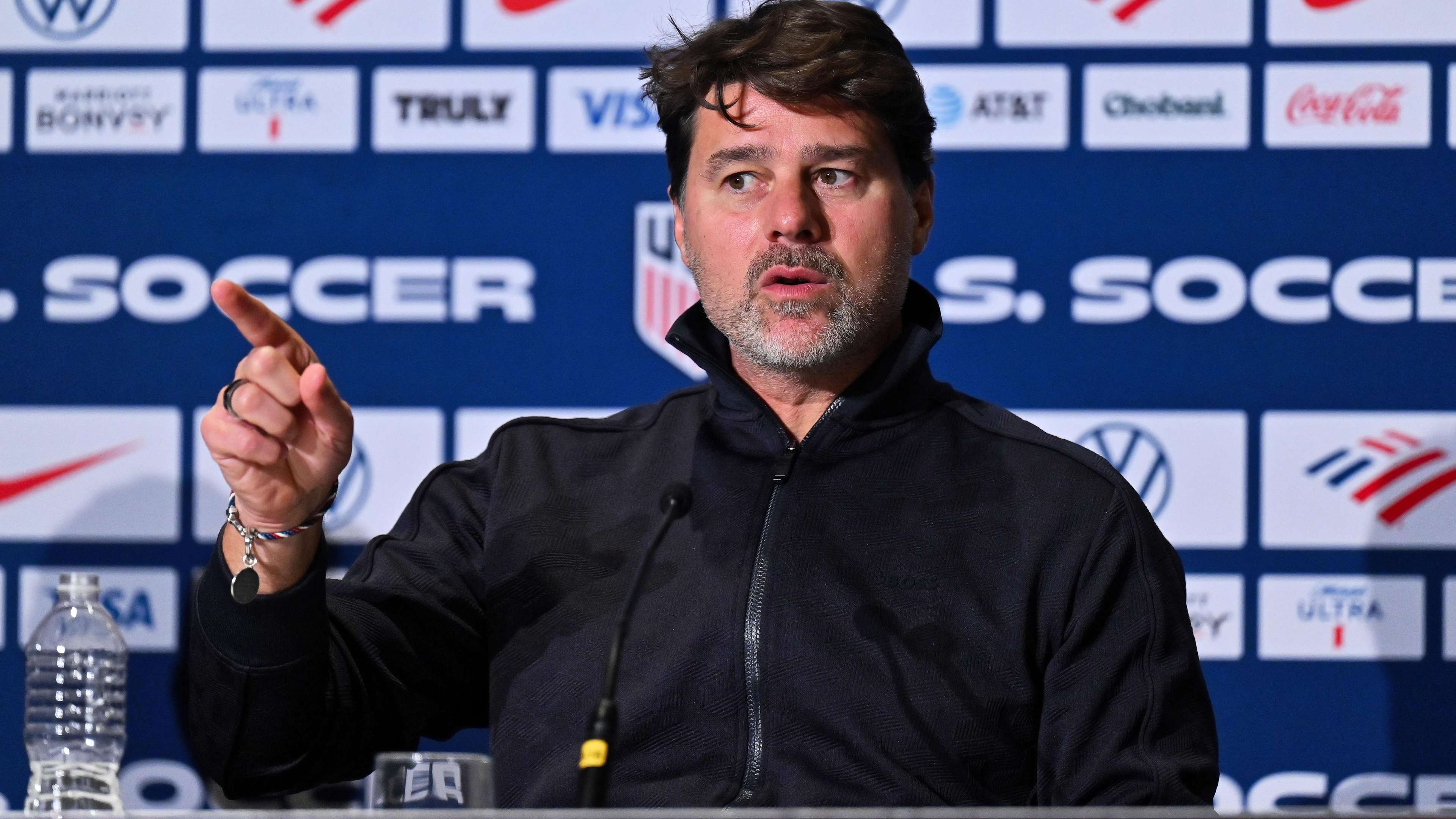
Old Trafford does not deceive when the floodlights come on for a late Saturday kickoff. Manchester United were not merely beaten by Brentford; they were methodically dismantled. The scoreline ended 4-0, matching the identical humiliation suffered at Anfield six days earlier.
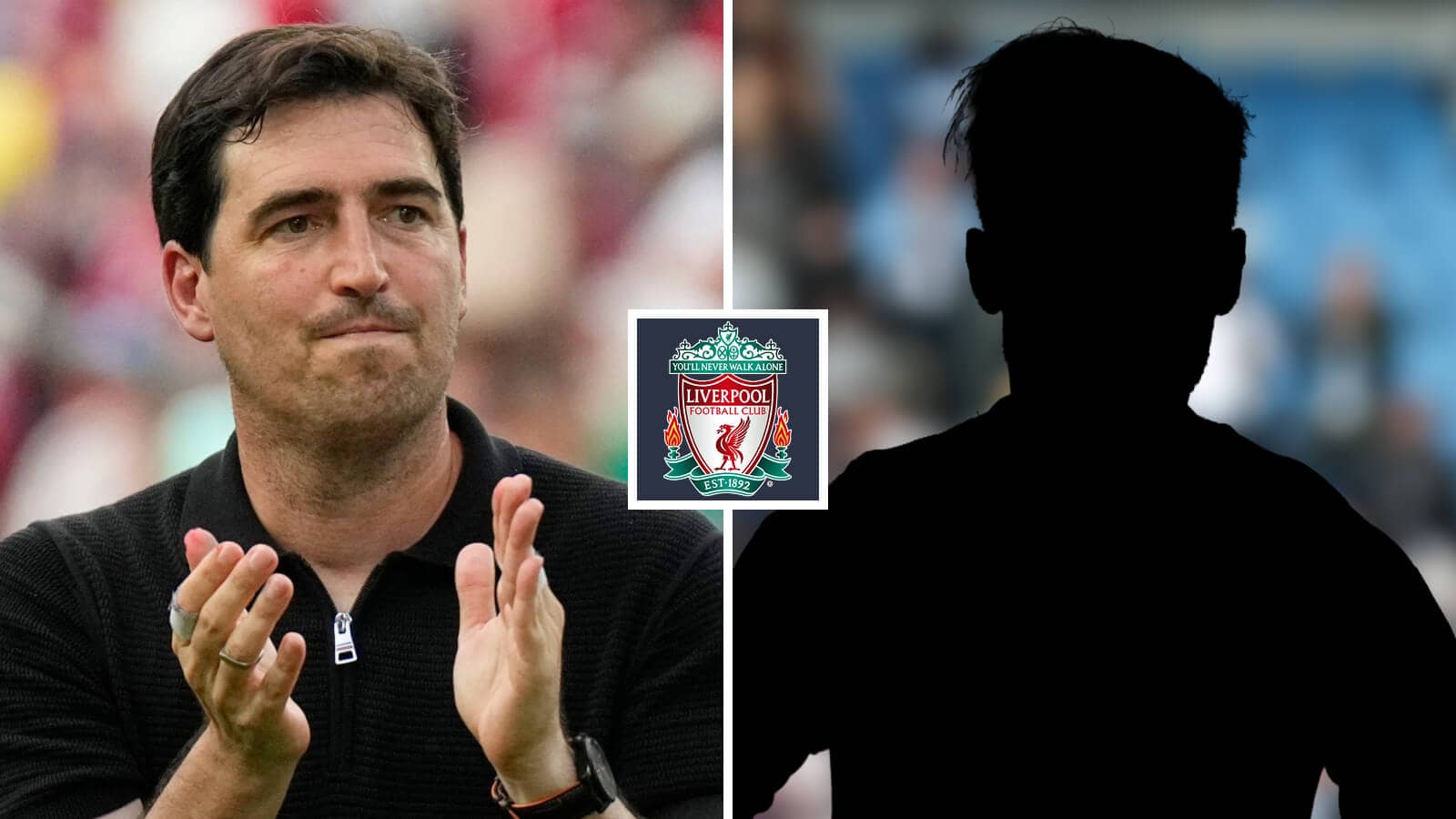
Mauricio Pochettino stood motionless in his technical area, watching his players disintegrate against an opponent that arrived with clarity and purpose. Keith Andrews brought a Brentford side built on running power and collective discipline, walking away with their first victory at Old Trafford since 1937. United offered twenty minutes of energetic pressing before turning entirely hollow.
The numbers attached to this collapse are historically staggering. United have now lost back-to-back league fixtures by four or more goals for the first time since December 1963. Pochettino has become just the second manager in Premier League history to lose his opening two games by a four-goal margin, matching Dave Jones with Wolverhampton Wanderers in August 2003.
This is no longer a transitional stumble under a new regime. It is a genuine, suffocating survival fight. As The Guardian reported following the final whistle, Pochettino openly conceded that relegation panic has infected the dressing room.
Twenty Minutes of Hope, Seventy Minutes of Surrender
The match began with an illusion of competence. United pressed high, pushed their full-backs into advanced positions, and forced Brentford into hasty clearances. For roughly eighteen minutes, Pochettino’s aggressive spatial structure seemed to rattle the visitors.
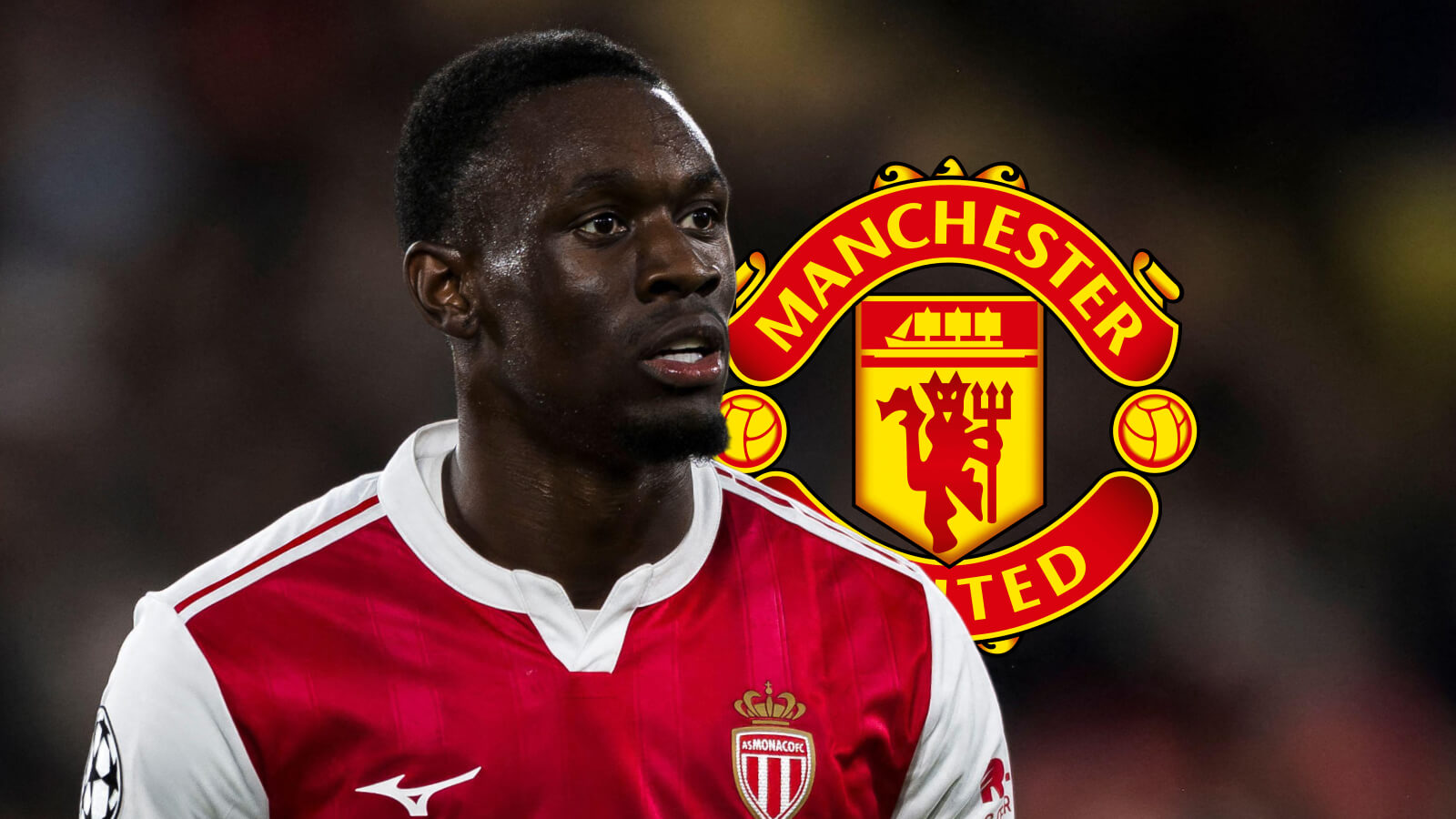
Then Callum Wilson happened. In the 19th minute, a simple direct sequence exposed United’s complete absence of defensive balance. One turnover in midfield left the center-backs stranded without cover, allowing Wilson to glide into the penalty area and finish with clinical precision.
That single concession broke United completely. The collective confidence evaporated instantly, replaced by hesitant passing and retreating bodies. By the 32nd minute, Wilson had his second, punishing another disjointed tracking effort across the defensive line.
The second half brought zero tactical rebellion. Kristoffer Ajer strode forward unchecked in the 82nd minute to convert the third, before Kevin Schade added a fourth deep into stoppage time. Brentford looked like the seasoned top-six outfit, while United resembled eleven strangers waiting for the final whistle.
Seven Halves of Historical Humiliation
Look at the defensive metrics across recent weeks. Manchester United are now the first side in Premier League history to concede at least twice in seven consecutive halves of football. That is not bad luck or refereeing misfortune; that is structural insolvency.
To find the last time United allowed four goals in three consecutive league matches, you have to wind back to November and December of 1961. The current backline cannot defend direct transitions, cannot protect the box on second balls, and cannot reorganize after losing possession.
- Winless in 10 consecutive league matches (five draws and five defeats), their worst sequence since the winter of 1989-90 under Alex Ferguson.
- Conceded at least twice in seven consecutive Premier League halves, an unprecedented low in competition history.
- Zero clean sheets across their opening 12 league matches, matching the 1930-31 campaign when the club finished bottom of the first division.
- Back-to-back league defeats by four or more goals for the first time in 63 years.
Pochettino pointed directly to this inability to maintain tactical intensity across a full match. “The only problem is that we need to be consistent during 90 minutes and sometimes we are showing 20 minutes or second half or from 20 to 60,” he explained. When his team loses control, the collapse is sudden and absolute.
Twenty minutes of decent football does not win points in the Premier League. When the opening plan hits resistance, United do not adjust; they panic. The spacing between the midfield line and the central defenders balloons to thirty yards, handing opponents total control of central zones.
Brentford exploited those vacant corridors all evening. Every loose touch by a red shirt triggered an immediate three-man counter-press from Andrews’ side. United possessed neither the press resistance to play through nor the athletic recovery pace to sprint back.
The Psychology of the Drop Zone
Sitting 19th in the table on the final weekend of November is not an optical illusion. United are stranded near the foot of the standings, and they will sink to 20th if Crystal Palace defeat Hull City on Sunday. Across the entire 92-club English football pyramid, Manchester United stand alone as the only team with just a single league win.
That single victory feels like a relic from another era. Ten league matches without a win represents the club's longest dry spell since Alex Ferguson endured an eleven-match drought between November 1989 and February 1990. Ferguson eventually found a way out through structural renewal, but Pochettino inherits an aging, brittle squad on astronomical wages.
The psychological toll is obvious to anyone watching the body language on the pitch. Players hesitate on routine passes, second-guess their positioning, and look toward the dugout in disbelief. In his post-match press conference, Pochettino admitted that relegation anxiety has gripped the squad in ways few anticipated.
The manager openly questioned who will step forward to halt the slide. His words painted a bleak picture of an unmoored squad.
“It can be possible that they feel, like everyone feels the pressure, the stress. When you are in a situation, who takes the responsibility? That is the most difficult thing.”
That rhetorical question should terrify every supporter at Old Trafford. On Saturday, the answer was nobody. The senior figures drifted into the shadows while Brentford dictated tempo, territorial dominance, and aerial duels.
Relegation scraps require a fierce, pragmatic hardness that this squad simply does not possess. Many of these players have spent their entire careers competing in European knockouts or comfortable mid-table positions. Placed into a dogfight at the bottom of the table, their technical comfort counts for nothing.
Pochettino noted that the squad is expending vital energy worrying about the table before a ball is even kicked. The psychological weight of the situation is draining their legs before kickoff. They are playing the game in their heads under paralyzing anxiety.
He is right about the mental exhaustion, but diagnosing the symptom does not cure the disease. By repeatedly emphasizing that the squad is paralyzed by fear, Pochettino risks giving his players a psychological excuse. Top managers build protective tactical structures to shield anxious players, rather than lamenting their fragile mental state.
Keith Andrews Exposes the Tactical Void
Credit must go to Keith Andrews, whose tactical blueprint was a masterclass in ruthless efficiency. Brentford did not attempt to dominate possession or string together sixty-pass sequences. They maintained compact lines, waited for United’s full-backs to vacate space, and released Wilson directly into the channels.
Andrews spoke with admirable clarity after guiding his team to a historic triumph. He explained that Brentford approached Old Trafford with humility and hunger, qualities that United's disjointed lineup sorely lacked. At the interval, with a two-goal lead in hand, Andrews challenged his squad to be even more aggressive.
A visiting coach at Old Trafford had the confidence to tell his players to push higher. Brentford saw a home team lacking both the defensive teeth to stop counter-attacks and the tactical speed to punish overcommitment. Andrews smelled vulnerability and went straight for the kill.
Pochettino’s second-half interventions made a terrible situation worse. By pushing more attackers forward without securing the defensive transition, United left enormous vacancies behind their midfield line. Ajer and Schade took full advantage of those spaces, slicing through an abandoned central spine.
The head coach’s tactical rigidity is already raising urgent questions. A high-pressing system demands synchronized movement, relentless physical fitness, and disciplined recovery tracking. United currently display none of those capabilities.
Persisting with expansive shapes when your defense is leaking goals by the bucketload is tactical negligence, not ambition. Pochettino admitted that the scale of the crisis has exceeded his expectations. “It’s a tough moment. Maybe you say to me: ‘Tougher than you expect?’ Of course, yes, because we never expect this type of result. But that is the reality and we need to accept the reality,” he stated.
That admission reveals that the coaching staff fundamentally misjudged the squad's baseline defensive competence before taking charge. The era of trading on former glory is officially dead.
The Badge Will Not Save You
Pochettino delivered one blunt assessment during his debrief that every person associated with Manchester United needs to confront. His words stripped away the remaining illusions surrounding the club's status.
“We need to know our reality. OK, we are Manchester United , but you cannot win only with the badge and the history. We need to match the opponent in all areas and then be much better than the opponent to win the game.”
That statement cuts directly to the core of United’s modern dysfunction. For more than a decade, the club has operated under the passive assumption that prestige alone would bend Premier League fixtures to their will. Opponents no longer feel intimidated arriving at Old Trafford; they see a fragile opponent waiting to be picked apart.
Brentford played with the relentless hunger of a team determined to create its own legacy. United played with the sluggish entitlement of a side expecting their shirts to do the defensive running. When Wilson struck his first blow, the entire edifice crumbled because there was no collective grit underneath.
Pochettino’s public realism is welcome, but words will not rescue a leaking ship. Matching the opponent in work rate and tactical discipline is not an advanced coaching concept; it is the fundamental entry fee for professional football. If United cannot match Brentford for basic running volume, tactical theories are utterly meaningless.
The Shadow of 1930-31
History provides uncomfortable parallels for clubs that refuse to heed the warning signs. Manchester United have now failed to keep a clean sheet across their opening 12 league matches of the season. The only other time that occurred in the club's history was in 1930-31, a season that concluded with United finishing dead last at the bottom of the table.
That statistical milestone is not a bizarre historical fluke. As post-match analysis confirmed, it is the predictable outcome for a team that concedes multiple goals every single week. Whether facing title contenders like Liverpool or well-drilled visitors like Brentford, United offer zero defensive resistance.
Conceding eight goals across six days without scoring a single reply represents a full-blown emergency. The defensive line lacks vocal leadership, the midfield pivot offers zero protection, and the collective marking on set pieces is virtually nonexistent. No manager can survive sustained defensive collapse of this magnitude without enacting radical alterations.
Pochettino insists that his commitment to the squad remains unshaken despite the mounting humiliation. “Our support is unconditional to the players,” he maintained after the final whistle. “We are going to push, of course. Players care? Of course. They were disappointed now? Yes.”
Disappointment is natural, but caring without execution achieves nothing on a football pitch. What United require right now is not paternal comfort, but tactical discipline and accountability. If Pochettino cannot drill basic defensive compactness into this group during training, the slide toward the Championship will become irreversible.
Where Does the Survival Mission Begin?
The immediate priority for Pochettino must be radical pragmatism. He must set aside his ideological commitment to high-tempo pressing and build an unapologetic, low-block defensive unit. When a team concedes at least twice in seven consecutive halves, aesthetic football must be sacrificed for survival.
That requires pinning both full-backs deeper to prevent isolation on defensive transitions. It requires fielding two disciplined holding midfielders whose sole duty is shielding the penalty box. United must learn to embrace ugly, gritty 0-0 draws before they can dream of dominating possession again.
Pochettino spoke about the necessity of embracing this painful moment to spark a turnaround. “And sometimes we need to feel that pain or maybe more to say: ‘Hey, now is the moment from here going up.’ That is the truth,” he remarked. The pain is obvious to everyone, but rock bottom does not come with an automatic bounce.
If Crystal Palace defeat Hull City on Sunday, Manchester United will end November anchored to 20th place in the Premier League. That reality should extinguish any remaining arrogance inside Carrington.
The badge will not block Callum Wilson’s runs. History will not clear Keith Andrews’ set-piece routines away from the six-yard box. Unless Mauricio Pochettino overhauls his tactical structure and instills fundamental defensive discipline immediately, Manchester United will find themselves fighting for their top-flight existence all winter long.