The Corporate Circus Meets the Cibeles Street Party
The suit-and-tie brigade at FIFA did their absolute best to turn the 2026 World Cup into a sterile corporate merger. We had endless flights across three countries, sponsors plastered over every blade of grass, and ticket prices that could fund a small space program. But the moment the final whistle blew in New Jersey, all that glossy corporate paint began to peel away.
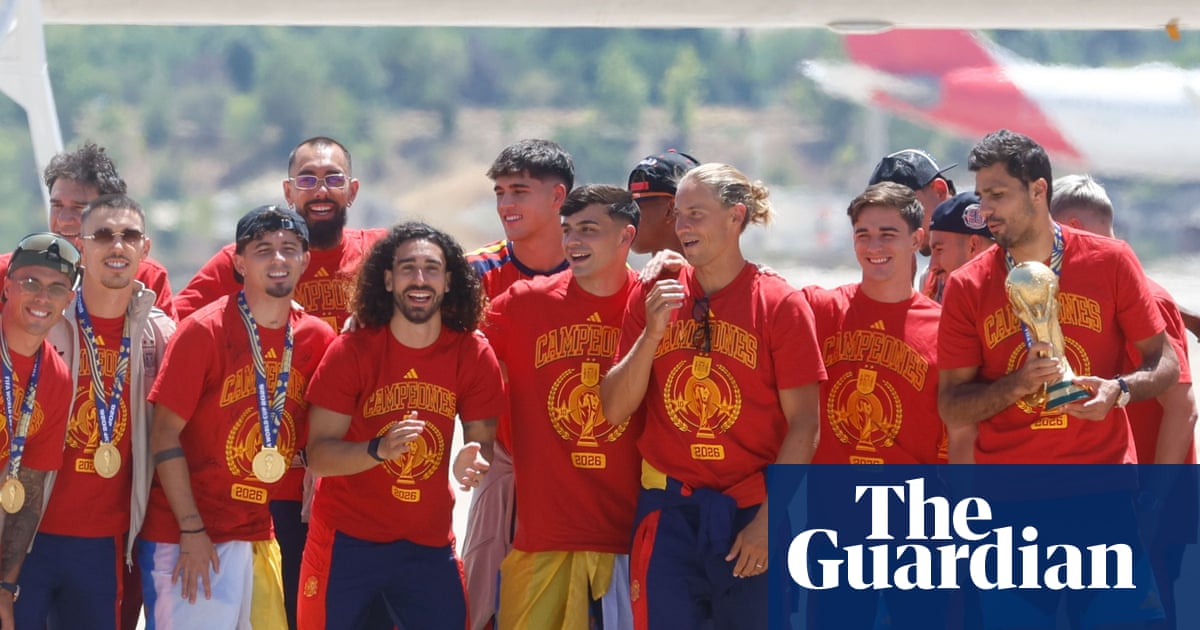
The trophy has officially returned to Europe, and the party in Madrid has reached a boiling point. The Spanish squad landed back home at 2:30pm local time on Monday, looking like they had been dragged through a gravel pit but clutching that gold trophy like a lifeline. Central Madrid is currently bracing for a human tidal wave that will shut down the entire city center.
Plaza de Cibeles is already a roaring ocean of red and yellow replica shirts. More than one million supporters are expected to pack the streets, turning the capital into a massive, beer-soaked street party. It is the ultimate antidote to the sterile, quiet corporate suites we saw in the American stadiums.
Most of the people in the crowd have not slept since Sunday morning. They are bleary-eyed, sunburnt, and nursing hangovers that could register on the Richter scale. As The Guardian reported, the sheer scale of the celebration is setting up the mother of all street parties.
The local government has scrambled transit police to manage the gridlock, but you cannot police a million people who have spent twenty-four hours drinking warm lager. It is the kind of chaotic, beautiful mess that makes you remember why we care about this game in the first place. This is not a polished marketing campaign; this is raw, unfiltered relief.
The Tactical Grind That Ruined FIFA's Script
Let us look at the actual game, because the tactical narrative surrounding this Spanish victory is going to drive the purists crazy. The tournament directors wanted a high-scoring, high-drama final to sell to American television networks. They wanted a basketball game on grass with plenty of commercial breaks.
Instead, Spain dragged Argentina into the mud and gave them a ninety-minute tactical lesson in suffering. They did not play the beautiful, fluid passing game that everyone fell in love with a decade ago. This was a gritty, defensive masterclass that felt like watching a team slowly assemble a brick wall in their own box.
Spain choked out the midfield, pressed Argentina's playmakers until they gasped for air, and walked away with a cold 1-0 victory. It was the football equivalent of a late-night street fight where nobody throws a clean punch but everyone leaves bleeding. The neutrals hated it, but the fans in Madrid do not care about the entertainment value.
Argentina dominated possession for long stretches of the second half, but they did absolutely nothing of value with the ball. They cycled play side-to-side, looking like a team trying to hack a computer by staring at the keyboard. Spain simply sat deep, organized their lines, and waited for the clock to run out.
The winning goal came from a single, ruthless counter-attack that caught Argentina's defensive line sleeping. Once Spain got their noses in front, they shut down the shop and threw away the keys. The final twenty minutes were an absolute clinic in defensive discipline and cynical game management.
Spanish defenders threw themselves in front of shots, kicked the ball out of the stadium, and picked up tactical yellow cards with pride. They killed the tempo of the game, frustrated the Argentine attackers, and ran the ball into the corner flag whenever they had the chance. It was ugly, it was frustrating, and it was absolutely magnificent.
The midfield battle was particularly brutal, with tackles flying in from both sides like a classic local derby. Spain's defensive shield played like they had a personal grudge against the ball, intercepting passes and disrupting Argentina's rhythm before they could even cross the halfway line. It was a masterclass in anti-football that would make the old-school Italian coaches shed a tear of joy.
The Argentine Post-Mortem
On the other side of the pitch, Argentina's post-mortem is going to be incredibly painful. They had the possession, they had the support, and they had a squad that looked superior on paper. Yet, they lacked the spark needed to break down a well-drilled European defense when it mattered most.
The criticism in Buenos Aires is already turning ugly, with local journalists questioning the manager's tactical decisions. Taking off your most creative midfielders when you are chasing a goal against a low block is a bizarre decision that deserves to be roasted. Argentina ran out of ideas, resorted to long balls, and made life easy for the Spanish center-backs.
We must also point out the absolute disaster that was the refereeing in the second half. The official seemed to lose control of the match, handing out warnings instead of cards and letting several dangerous challenges go unpunished. It added to the general sense of chaos and frustration that dominated the final forty-five minutes.
This final was a reminder that tournament football is not about who has the prettiest statistics or the most marketable stars. It is about who can survive the grind when the legs are heavy and the pressure is suffocating. Spain had the mental toughness to embrace the ugly side of the game.
Their path to the final was far from perfect, and they looked vulnerable at several points during the knockout rounds. They squeaked through games, survived defensive errors, and looked like a team running on empty. But they found a way to win, which is the only statistic that actually matters in July.
The contrast between the two countries today is stark. In Buenos Aires, the streets are quiet, the flags are down, and the national mood is one of quiet disappointment. They know they had the talent to win it all, but they ran into a Spanish team that simply refused to bend.
Why We Keep Coming Back to the Game
Now, the player bus is crawling through the streets of Madrid, surrounded by fans who are climbing lampposts just to get a glimpse of the trophy. The players are wearing sunglasses to hide the sleep deprivation, throwing training shirts into the crowd, and singing club anthems. This is the real victory parade, far removed from the corporate handshakes of the New Jersey stadium.
Even the players' flight home had its own drama, with reports of mid-air celebrations that probably tested the limits of the aircraft's suspension. When the door opened at Madrid-Barajas airport, the captain emerged holding the trophy, looking like he had just survived a week-long festival. The fans waiting at the terminal gave them a reception that could be heard miles away.
The local economy in Madrid is going to get a massive boost from the sheer volume of beer and flags sold today. Every bar in the city is packed to the rafters, and the local hospitality sector is working triple shifts to keep up with the demand. But the people celebrating are not thinking about the economic impact.
They are thinking about the years of frustration, the near-misses, and the feeling of finally being the best in the world again. For a country that has been through its fair share of struggles, this victory is a moment of pure, shared joy. It is a reminder of why football remains the most popular sport on the planet.
It is easy to get cynical about the state of modern sports, with its oil money, corrupt federations, and endless commercialization. The 2026 tournament often felt like a giant corporate billboard that occasionally featured a football match. The soul of the sport felt like it was being sold off to the highest bidder.
But when you see the scenes in Plaza de Cibeles, you realize that the money men cannot actually buy the heart of the game. They can control the ticket prices and the sponsors, but they cannot control the raw emotion of a million people singing in unison. The street-level passion will always belong to the fans.
So let the corporate executives keep their gold tape and VIP parking passes in New Jersey. The real tournament ended when the Spanish squad brought the trophy home to the people who actually care. The hangovers will fade by Wednesday, but the star on the Spanish shirt is there to stay.
Read Next
- The World Cup final failed the basic safety test
- Messi's desperate final act in Argentina's World Cup exit
- Messi and Yamal: The changing of the guard in New Jersey
- Spain's 2026 World Cup win wasn't just flair, it was arithmetic
- 🏆 World Cup 2026 — Full Coverage Hub
- 🇪🇸 Spain World Cup 2026 — La Roja Hub