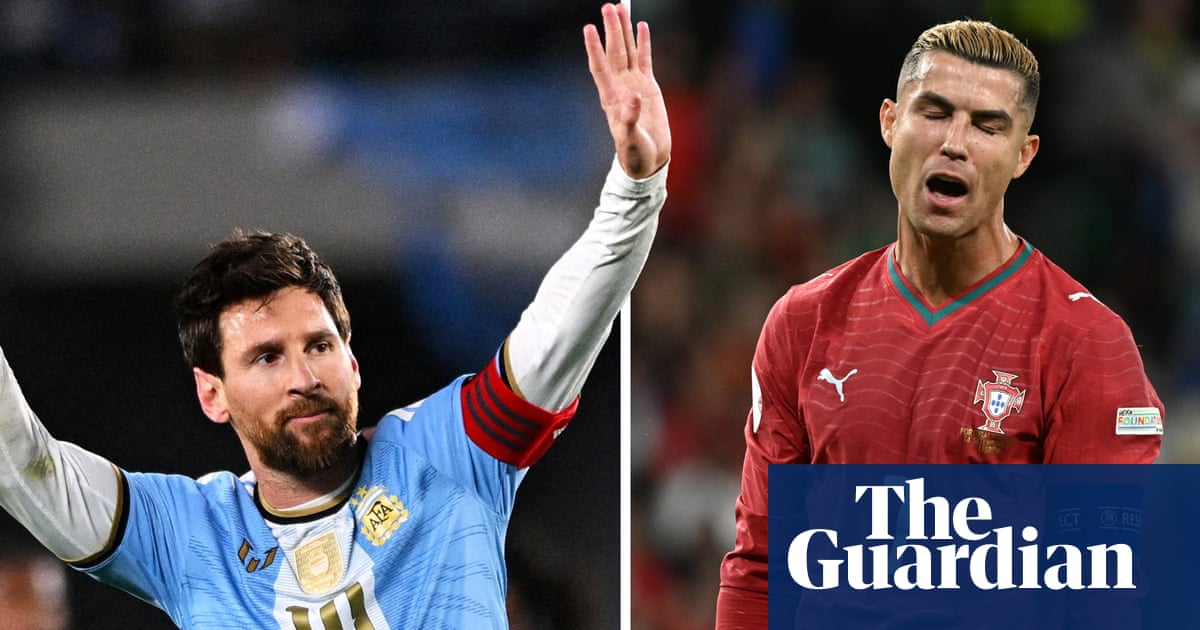
The image that defined the 2026 World Cup final
The post-match scene at MetLife Stadium offered a glimpse into the future of international football. Lionel Messi, visibly crestfallen after Argentina’s narrow defeat in the 2026 World Cup final, remained on the pitch to process an agonizing loss.
Amidst the chaos of the celebrations, Lamine Yamal approached the veteran captain. The 18-year-old Spanish prodigy bypassed his own teammates to share a moment with the man he spent his youth studying. It was a visual representation of a cycle closing.
A nod from the legend to the heir
Camera crews captured the exchange between the two icons. While the audio remains private, the body language told the story of an industry transition. Messi, who arrived in 2026 as the heavy favorite to defend his title, appeared drained by the expectations of an entire nation.
Lamine Yamal took time out after the final whistle to embrace the Argentina icon
This gesture carries weight beyond sentimentality. Yamal’s emergence as the primary engine for the Spanish attack has been the defining narrative of this tournament. By engaging Messi directly, the teenager acknowledges the roadmap laid out by the Inter Miami star.
The reality of Argentina's tactical burn
Argentina’s defeat wasn't just a matter of luck in the 120th minute; it was a tactical failure. Scaloni’s side looked static in the final third, relying too heavily on individual brilliance rather than team movement. The lack of energy in the transition phase cost them dearly against a high-pressing Spanish unit that sprinted from the opening whistle.
Critics will point to the reliance on aging veterans as the primary culprit for this collapse. Watching the squad struggle to track back in the second half felt like watching a team running on empty fumes. If the Argentina hierarchy refuses to initiate a radical rebuild, next year will be a long slog.
The Yamal phenomenon
Lamine Yamal is now the face of a new generation. Following reports from the Mirror, the respect shown by the youngster indicates he understands the gravity of his position. He isn't just playing; he is leading.
However, the pressure awaiting Yamal is immense. European scouts and domestic managers will have his tactical profile under a microscope. Can he maintain this output when teams start dedicating specific defensive units to stifle his movement in the final third?
What this means for the global power balance
The 2026 final cemented Spain’s return to the summit of professional football. Their tactical flexibility—shifting from a possession-based build-up to a vertical counter in seconds—left Argentina grasping at shadows. It forces every other nation to re-evaluate their reliance on deep defensive blocks.
The era of individual superstars carrying broken systems is fading. The victors in this tournament were defined by cohesion, speed, and intelligence. Teams that aren't willing to adapt to this high-tempo requirement will find themselves eliminated long before the quarter-finals in future cycles.
Moving forward, the focus shifts to club football where these relationships will be tested. Argentina needs a new identity, or they risk becoming a collection of high-earning mercenaries without a collective purpose. Messi is clearly at the end of his international relevance, and the team needs to find a way to function without his gravity.
Meanwhile, the rest of the world has one year of tape on Yamal to figure out a fix. He will be the most kicked player in Europe by October. If he avoids injury, he represents the new ceiling for what a wide forward can achieve in modern, space-deprived environments.
Read Next
- Yamal has ascended and the football world is reeling
- The tactical vacuum behind the 2026 World Cup final
- The 2026 World Cup final is a $20 million heist disguised as a football match
- Spain vs Argentina: The tactical battle that will decide the World Cup
- 🏆 World Cup 2026 — Full Coverage Hub
- 🇦🇷 Argentina World Cup 2026 — Defending Champions Hub
- 🇪🇸 Spain World Cup 2026 — La Roja Hub