
The World Cup final failed the basic safety test

Security failures ruined the World Cup finale
The 2026 World Cup final was meant to be the pinnacle of the sport, yet it ended in a logistical disaster that had nothing to do with the tactical setup of Spain or Argentina. While the midfield battle was decided by a solitary goal, the real story originated in the stands. Reportedly, police detained family members of Argentine players following outbursts of physical chaos among supporters.
Stadium security protocols are designed to separate aggressive factions and protect participants. When players' relatives wind up in a holding cell instead of celebrating or commiserating on the pitch, the organizers have failed their primary mandate. This was not a minor scuffle in the nosebleeds; it was a total breakdown of the secure zones surrounding the players' tunnel and seating areas.
Tactical drift from the field to the stands
Spain won 1-0 according to the official scoreline, but watching the internal security team was like watching a disorganized back four. They lacked spatial awareness and failed to identify pressing triggers before incidents boiled over into physical violence. Relying on heavy-handed detention once the situation erupted illustrates a lack of de-escalation training.
Modern crowd management requires a proactive approach, not a reactionary one that ends with police intervention. FIFA and local authorities must answer for the lack of restricted access protocols for families. High-stakes matches have always been volatile, but we saw a distinct lack of proper buffering zones at this venue.
The human cost of mismanagement
The Argentine squad remained on the pitch long after the whistle, likely unaware that their own kin were being processed by local authorities near the exits. This creates a dangerous precedent. If stars feel their family members are at risk, their focus on the pitch inevitably shifts toward the chaos in the stadium bowl.
It is difficult to maintain a high-press transition or a composed buildup when the internal environment of the stadium feels hostile rather than controlled. Watching the replay of the post-match scenes, the disparity between the organized pitch play and the absolute anarchy in the seating sections is jarring. Security in these events acts as the foundation for the game, and when it cracks, the sport itself suffers.
We need a standardized protocol that prevents family seating from ever bordering volatile factions. The fact that an elite tournament allowed this overlap to happen in the final match suggests the risk assessment was fundamentally flawed from the start of the tournament. The tournament organizers will no doubt attempt to frame this as an isolated incident, but the footage tells a much more concerning tale of structural negligence.
Read Next
- Messi's desperate final act in Argentina's World Cup exit
- Messi and Yamal: The changing of the guard in New Jersey
- Spain's 2026 World Cup win wasn't just flair, it was arithmetic
- Yamal has ascended and the football world is reeling
- 🏆 World Cup 2026 — Full Coverage Hub
- 🏆 World Cup 2026 Final — MetLife Stadium Hub
Sport Squad FX40 40 inch Compact Mini Tabletop Foosball Table
Bring the pub classic directly to your coffee table.
Frequently Asked Questions
What caused the crowd chaos at the 2026 World Cup final?
Why were Argentine players' families detained during the final?
How did the 2026 World Cup security fail?
What impact does poor stadium security have on players?
What needs to change for future tournament security?
More Coverage

Top 10: World Football's Biggest Storylines, Scandals, and Shocks of 2026
2 weeks ago
Messi bids farewell to Argentina as his club ownership plan takes shape
2 weeks ago
England lost to Spain but the Nations League is actually working
3 weeks, 1 day ago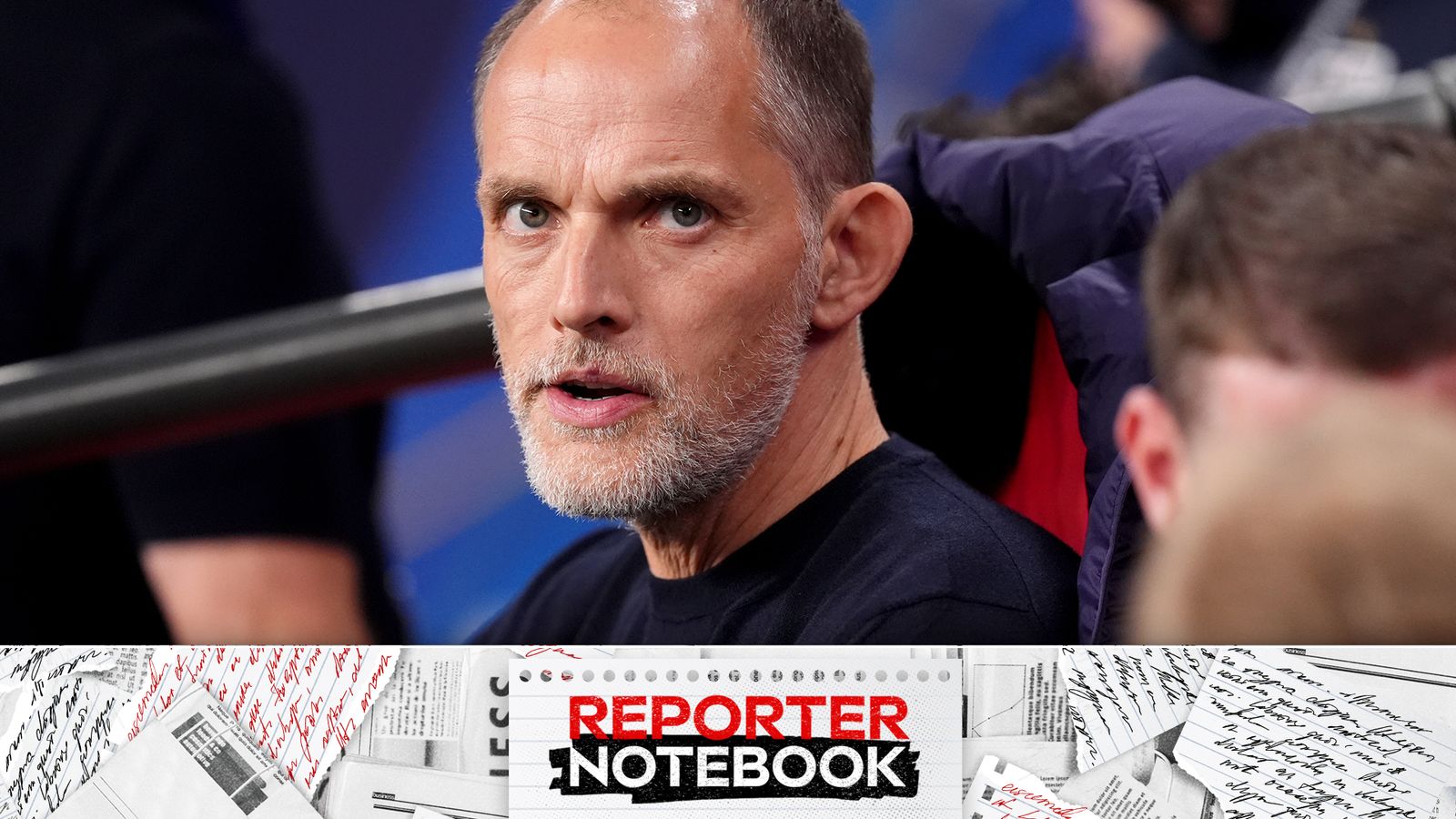
England lost to Spain again, so why is nobody screaming at Thomas Tuchel?
3 weeks, 2 days ago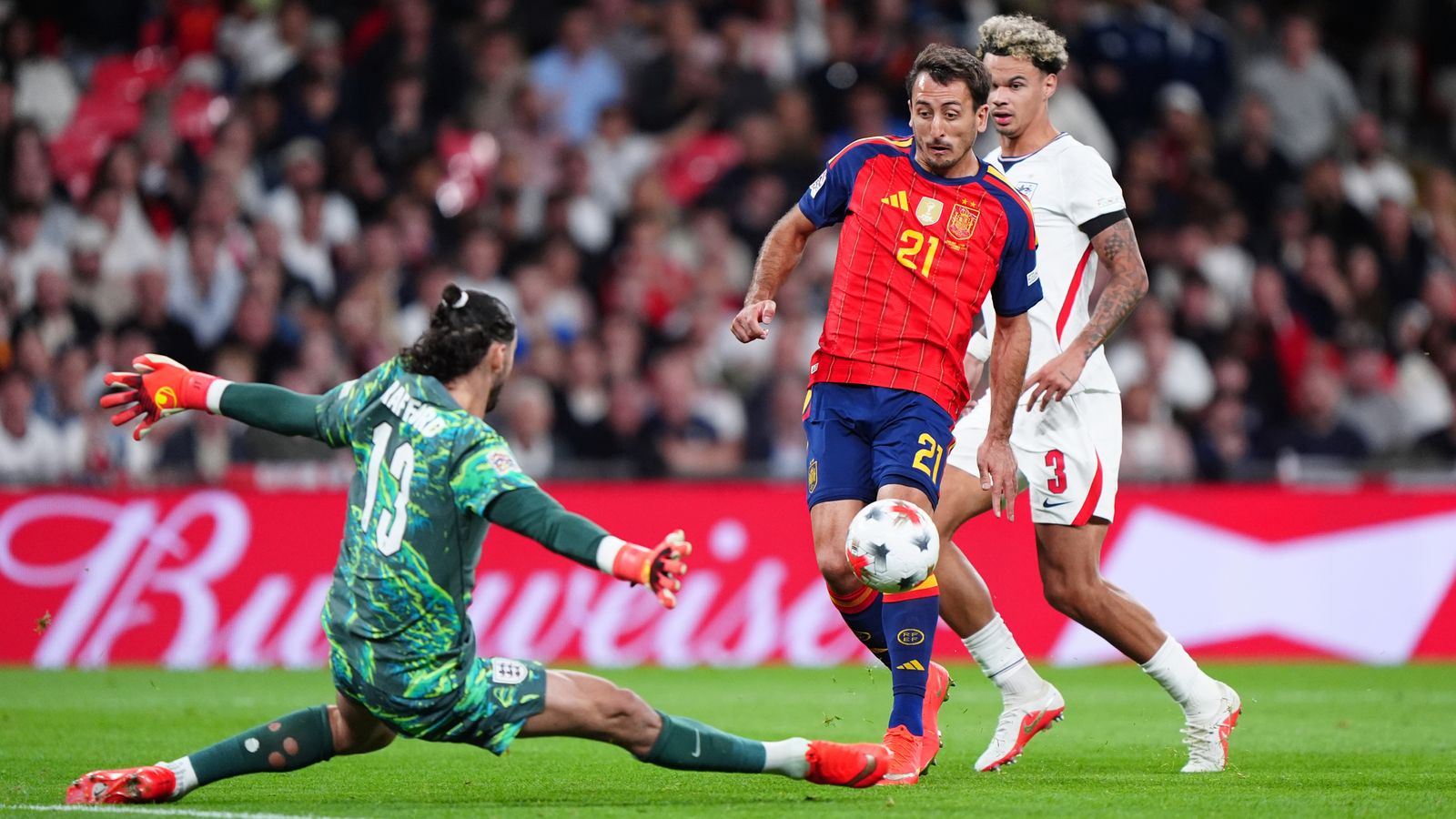
Top 10: Top Moments from England's 3-2 Nations League Thriller Against Spain
3 weeks, 2 days ago
Jordan Pickford's two-match absence exposes Thomas Tuchel's defensive gamble
3 weeks, 2 days agoMore Analysis
Top 10: World Football's Biggest Storylines, Scandals, and Shocks of 2026
2 weeks ago
Messi bids farewell to Argentina as his club ownership plan takes shape
2 weeks ago
England lost to Spain but the Nations League is actually working
3 weeks, 1 day ago
England lost to Spain again, so why is nobody screaming at Thomas Tuchel?
3 weeks, 2 days ago
Top 10: Top Moments from England's 3-2 Nations League Thriller Against Spain
3 weeks, 2 days ago