Tactical structural instability
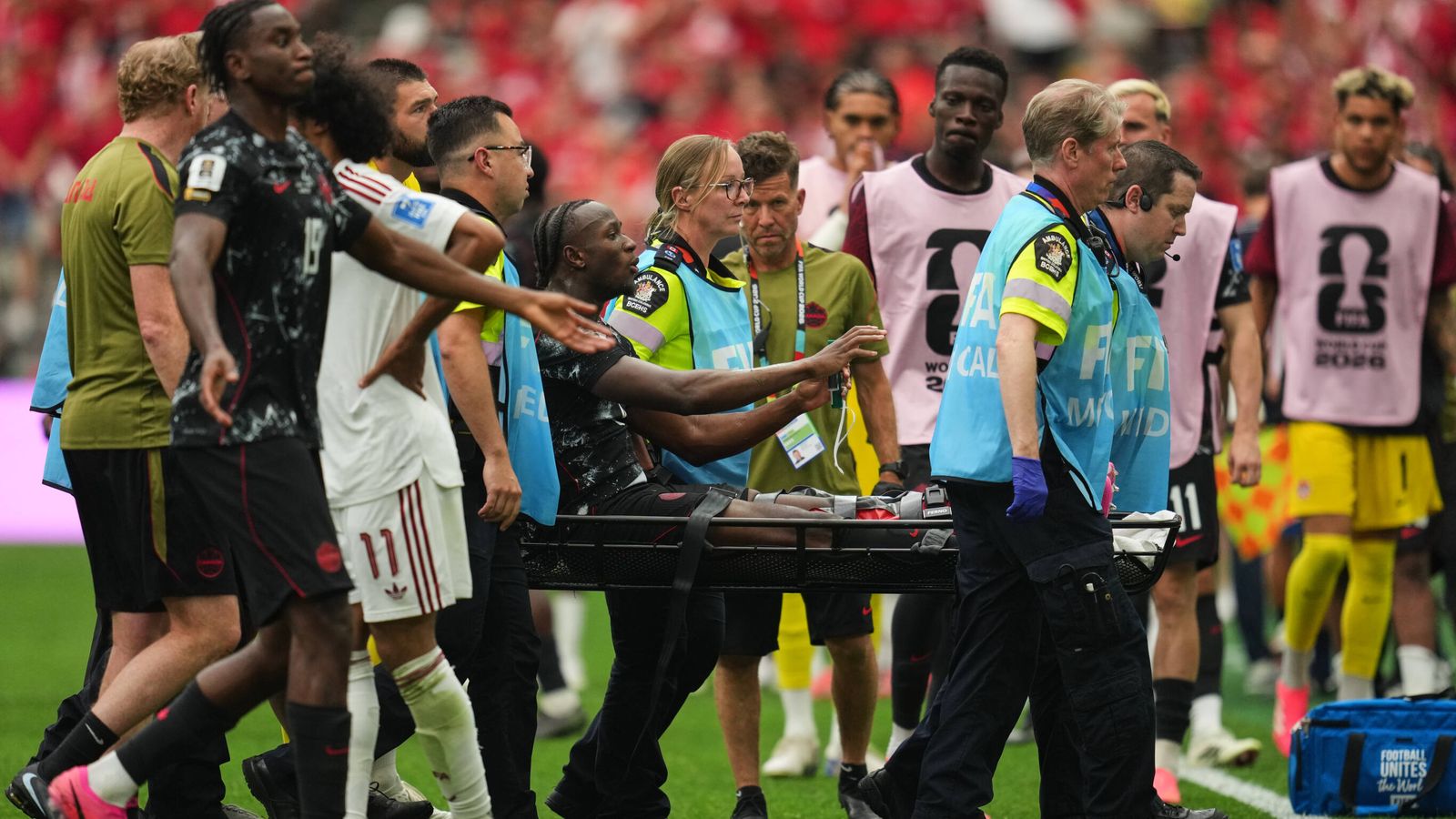
The 2026 World Cup campaign for Qatar has hit a significant snag following the decision by FIFA to hand Assim Madibo a five-match suspension. The tackle was objectively reckless, a late lunging force that resulted in a fractured tibia for his opponent. Beyond the individual disciplinary fallout, the vacancy in front of the back four creates a massive tactical void for a side that relies on suffocating horizontal compacting over individual defensive brilliance.
Madibo was the anchor of that structure. Without his ability to screen the defensive line and recover loose balls, Qatar’s vulnerability to progressive passes through the half-spaces increases exponentially. The side has thrived on a low defensive block that forces opponents to over-commit, but the lack of an elite ball-winner in the holding position will likely force a retreat deeper into their own third.
The Seattle heat and high-stakes maneuvering
The upcoming meeting with Bosnia and Herzegovina in Seattle requires a rethink of containment strategies. As reported by Sky Sports, the discipline displayed in the group stage is now under immense pressure. Attempting to sit deep while missing a primary defensive pivot often results in disconnected pressing lines and lanes opening up for opposing midfielders to operate behind the frontline.
Bosnia excels at exploiting these specific gaps. Expect them to move the ball quickly into the wide channels, forcing the Qatari full-backs into isolated one-on-one scenarios they might not be equipped to handle. If the rhythm of the game remains slow, Bosnia will dictate the transition triggers, effectively neutralizing Qatar before they can initiate a counter-attack.
Predicting the tactical breakdown
The absence of Madibo is not a minor personnel tweak; it is a structural failure point. Defending in a vacuum is rarely successful, and Qatar’s reliance on a singular defensive shield leaves their center-backs exposed to direct dribbling. The statistical output for Qatar’s defensive third over the last three matches shows a reliance on blocked shots at a rate of 6.4 per 90 minutes, a figure that is unsustainable without the man who initiates those engagements.
The inefficiency in the final third has been another glaring flaw throughout their recent tournament run. Too often, the creative burden falls on isolated wingers who lack service from the center of the pitch. When the ball reaches the edge of the area, the hesitation to pull the trigger is palpable enough to frustrate spectators. Against a composed team like Bosnia, this lack of clinical edge will be punished.
My projection for the fixture in Seattle is a controlled win for Bosnia by a margin of two goals. Qatar will likely attempt to absorb pressure and look for long balls to relieve the heat, but the lack of defensive cohesion caused by the mid-tournament reshuffle will eventually yield two or three high-quality chances for Bosnia’s forward line. Bosnia to secure the win with 58% possession and a clinical performance in the second half.

.jpg)