The Tuchel era lacks a clear attacking identity
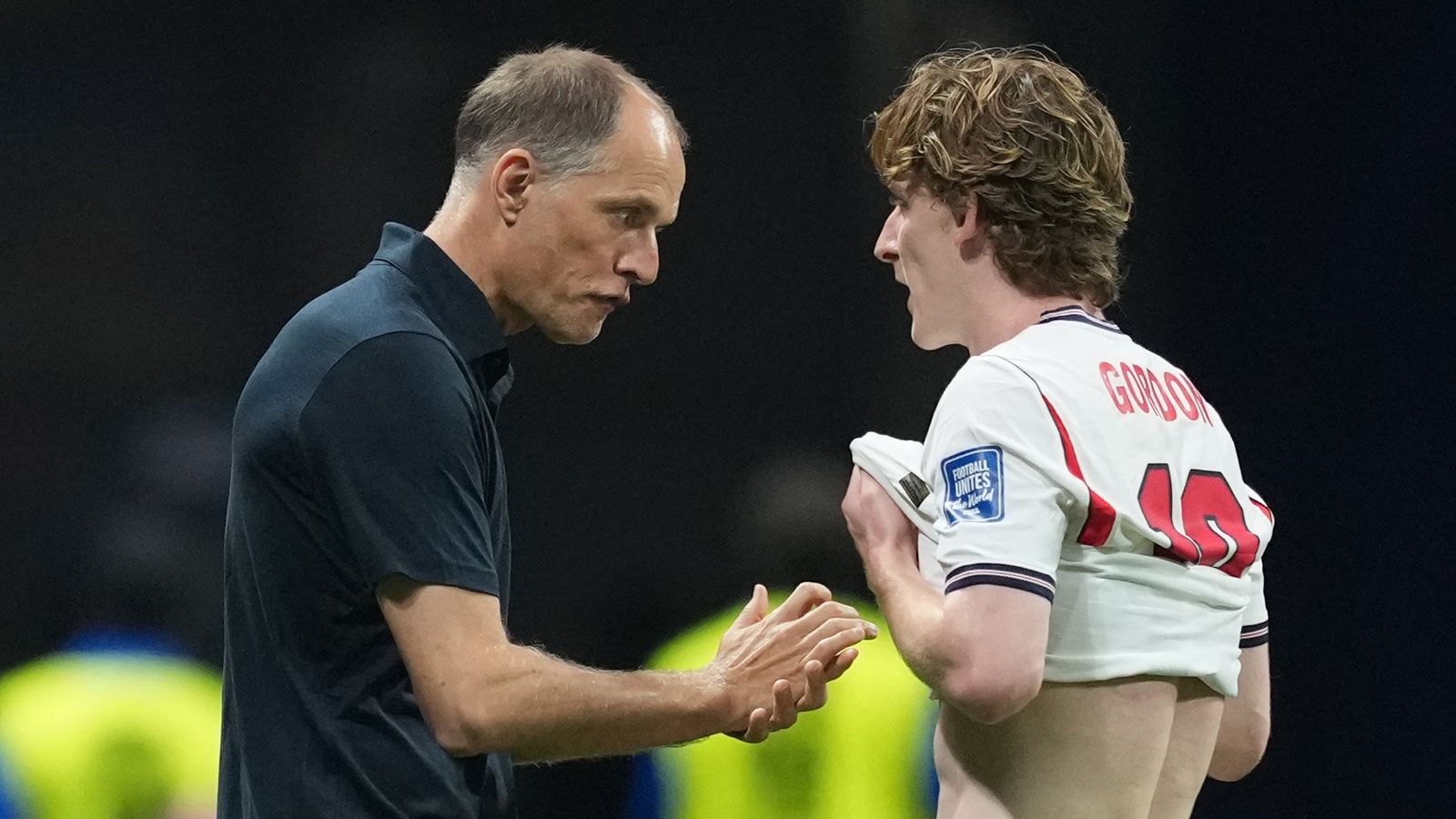
England arrived at this summer's tournament with immense pressure after the hype surrounding their victory over a fading Croatia side. Thomas Tuchel has been tasked with organizing a squad overflowing with individual talent, but recent performances reveal a team struggling to transition from theory to execution. The lack of cohesion against technically organized opponents suggests that the tactical blueprint is not yet fully formed.
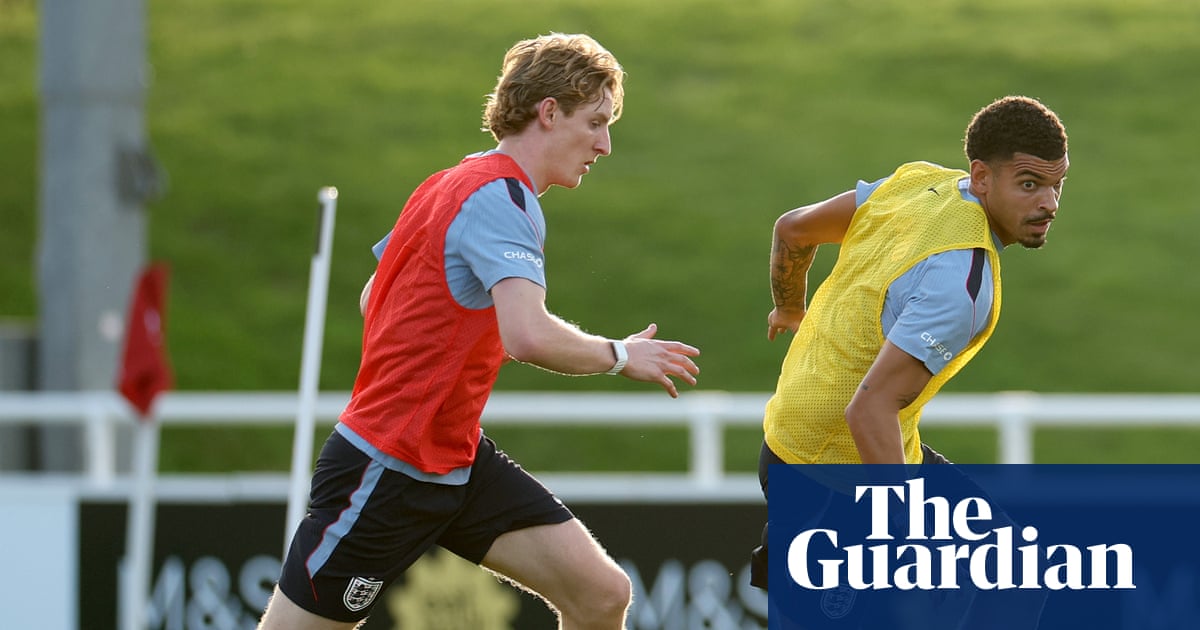
Reports out of the England camp suggest Tuchel is demanding a high-intensity press, yet the spacing in the final third remains congested. Players are frequently found occupying the same pockets of space, preventing the fluid movement required to break down disciplined defensive blocks. When the structure fails to click, the side reverts to lateral passing rather than penetrating forward runs, creating a sterile rhythm that bores spectators.
Tactical friction and the struggle for balance
The core issue appears to be an over-reliance on individual brilliance to solve organizational shortcomings. During the recent matches, the creative midfielders failed to bridge the gap between defense and the frontline, leading to isolation for the strikers. While defensive resilience is a mark of a Tuchel team, the lack of counter-attacking options is a concerning blind spot for a side with this much speed in the wings.
Critics point to the lack of a defined playmaker as the reason for the sluggish tempo. Without a player capable of dictating the pace in the 60th minute or later, the team becomes predictable once the opposition adjusts their defensive shape. This tactical rigidness makes it difficult for Tuchel to switch gears effectively when facing low blocks or aggressive, high-pressing outfits.
The squad selection dilemma
Tuchel faces a selection headache regarding his midfield pairing. The current setup sacrifices defensive stability for vertical progression, failing to achieve either consistently. There are murmurs that internal adjustments to the rotation are imminent as staff look to maximize production from the bench. With the knockout stages approaching, these experiments need to yield results quickly.
The defensive unit is carrying heavy minutes, and fatigue is already showing in their recovery runs. Tactical discipline is high, but the mental exhaustion of playing in such a demanding system is becoming transparent on the pitch. If the rotation does not improve, the squad risks a physical collapse during the high-stakes matches that define international tournaments.
Critical assessment of the current path
The gamble on a rigid system is not paying dividends. History shows that international managers survive these tournaments by adapting to their squad's limitations rather than forcing a club-level philosophy onto them. Tuchel’s refusal to pivot in the heat of the match during last week's stalemate was a major oversight that allowed the opponent to maintain control.
It is not just a problem of personnel, but one of game management. The lack of substitutions that actually alter the momentum is frustrating for fans who watch the clock tick toward the 90th minute without a tactical pivot. If England cannot fix these structural gaps, they will be sent home by a team that plays with more fluidity and clearer intent than they do.
Probability and future outlook
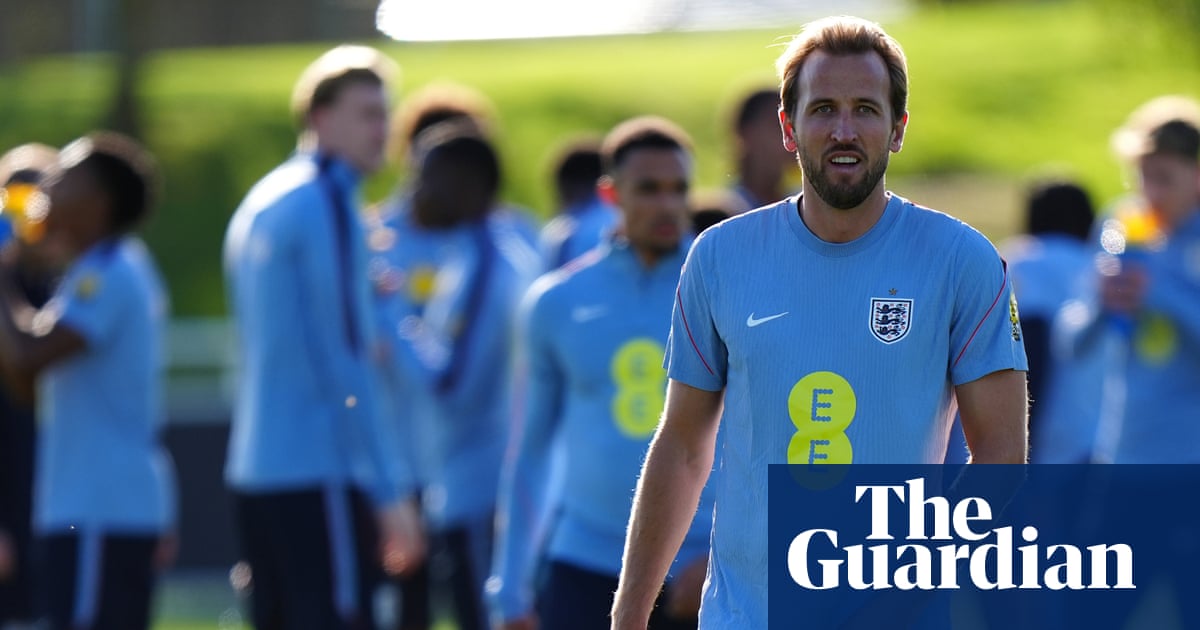
Internal pressure is rising. While Tuchel has the backing of the FA for now, a poor exit is unacceptable given the depth of the roster. The team must find clarity in the final third or risk a swift elimination. We are looking at a crucial period where adjustments made in training this week will dictate the trajectory of the remainder of their campaign.
The probability of a system overhaul is high for the next fixture. The staff recognizes the stagnation, and there is an expectation of a change in personal profiles across the midfield. Expect a tactical shift toward more direct play as they attempt to bypass the crowded center mid-section of the field.
Read Next
- Thomas Tuchel has made England predictable and toothless
- England are a tactical mess and Tuchel isn't the fix
- Thomas Tuchel does not have room for error against Panama
- Thomas Tuchel has lost the plot on England’s identity
- 🏆 World Cup 2026 — Full Coverage Hub
- 🏴 England World Cup 2026 — Three Lions Hub