The Geopolitical and Logistical Chaos
A Training Camp Without a Destination
International football preparation relies on clear, immovable targets. You build toward a January tournament, spend November drilling pressing triggers, and test defensive depth against regional rivals.
That logic disintegrated the second the Asian Football Confederation postponed the Asian Cup. Following the attack on Riyadh's international airport by Iran-backed Houthi rebels in Yemen, the tournament in Saudi Arabia was wiped from the winter calendar.
Yet the Socceroos are still scheduled to fly into the Middle East. They meet Qatar in Doha next Saturday AEDT before travelling to Amman to play Jordan four days later.
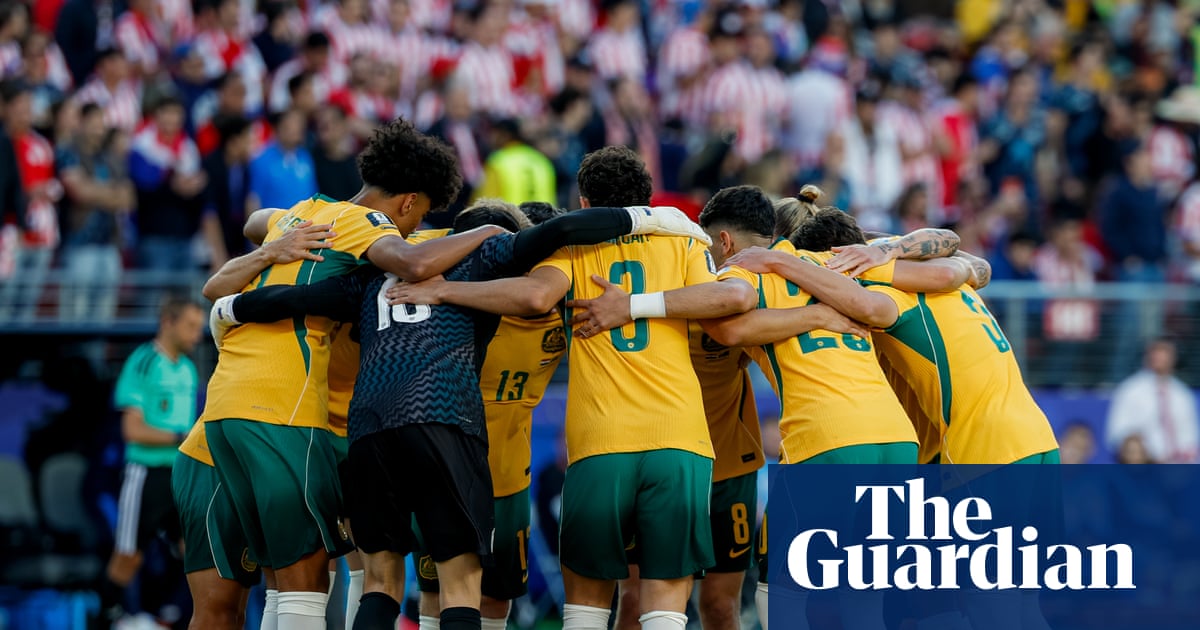
Tactically and logistically, the trip borders on absurd. The entire premise of this window was to stress-test Tony Popovic's setup ahead of tournament football. Instead, Australia are boarding long-haul flights into a volatile region for two fixtures that offer no immediate competitive value.
Football Australia should have called this off days ago. Instead, administrators have left the national team stranded between safety concerns and tactical irrelevance.
The Security Crisis in Amman
The flashpoint of this window is not Doha; it is Amman. Players, organized through Professional Footballers Australia, have made it clear that they do not want to step foot in Jordan.
Other federations recognized the danger and acted decisively. Indonesia's football association already cancelled their scheduled friendly against Jordan in Amman on 13 November due to escalating regional violence.
Australia, however, hesitated. PFA chief executive Beau Busch confirmed that the union brought in outside security consultants to evaluate the situation before presenting their findings to governing officials.
"With the full support of the PFA, the players have overwhelmingly expressed their view that the Jordan match should be rescheduled or relocated."
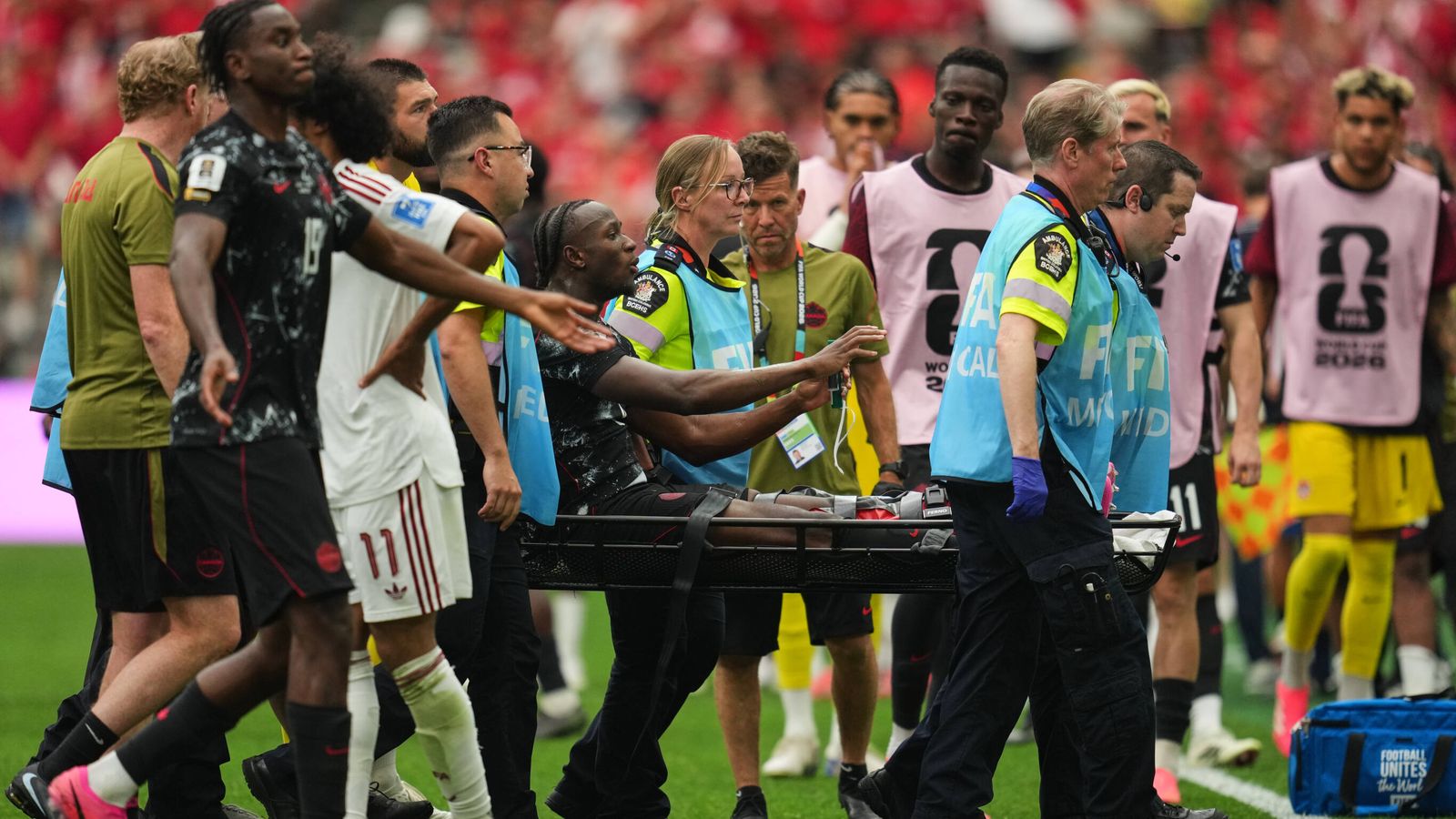
When a squad overwhelmingly tells its governing body that safety is compromised, tactical preparations evaporate. Players cannot lock into defensive block mechanics when their minds are on consular warnings and regional security risks.
As The Guardian reported, the squad announcement scheduled for Friday was postponed to the weekend. The delay points to an uncomfortable reality: multiple players are weighing whether to withdraw from camp entirely.
Tactical Stasis Under Tony Popovic
Squad Selection in Limbo
Coaches crave certainty above all else. Popovic is renowned for rigorous tactical structures, disciplined backlines, and defined phase transitions.
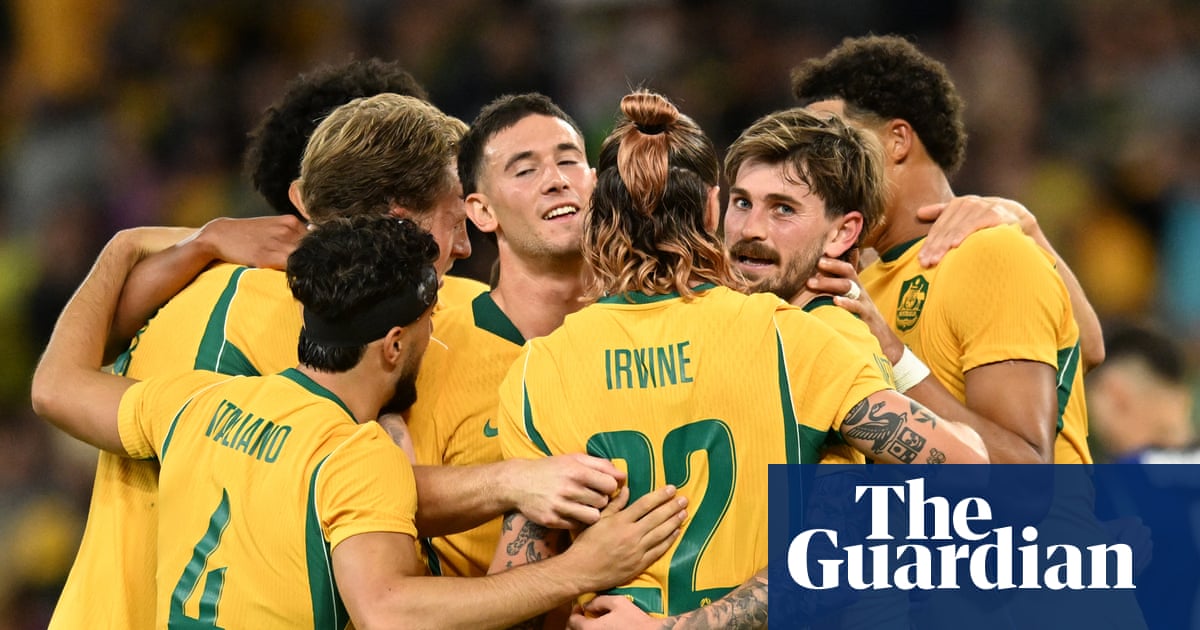
Right now, he cannot even finalize a 23-man roster. Trying to craft a tactical game plan against Qatar when senior players might decline call-ups makes a mockery of elite coaching.
Winger Awer Mabil stepped forward on Friday to confirm his readiness to travel if selected. The 31-year-old emphasized his trust in the federation's security measures and reaffirmed his commitment to the national shirt.
Mabil represents an admirable minority. When younger European-based professionals see Indonesia pull out of Amman, hesitation is not just understandable; it is sensible.
If Popovic loses three or four starting options over the weekend, his entire tactical blueprint collapses. He cannot install progressive pressing patterns when he might be handing emergency debuts to third-choice replacements.
On-Pitch Tactics: What Is Left to Learn?
Strip away the diplomatic and logistical mess, and look at the sporting proposition. Australia face Qatar in Doha, which on paper offers a genuine tactical test.
Qatar at home are technical, comfortable in possession, and patient when probing opposing central channels. They look to pin defensive midfielders deep, rotate wide forwards, and generate overloads in the half-spaces.
Against that system, Popovic would typically drill a compact mid-block. He would demand disciplined coverage from his central pivot, protecting the space in front of the center-backs and launching quick counters.
Yet without the urgency of an imminent Asian Cup, that intensity vanishes. When matches carry zero tournament stakes, pressing lines naturally sag by ten yards. Transitions slow down, and defensive recoveries lose their sharpness.
The Jordan match four days later is an even harder sell. Jordan play an aggressive, transitional brand of football that demands physical commitment in central duels. Asking players to throw themselves into 50-50 challenges in Amman under active safety warnings is asking for trouble.
Popovic faces an impossible tactical checklist across these two fixtures. His training sessions will be severely compressed:
- Integrating replacement players into complex defensive transition structures on two days of training
- Keeping pressing distances compact when match sharpness is eroded by travel stress
- Managing minutes for experienced players like Mabil without risking soft-tissue injuries
- Maintaining professional focus while Football Australia and the PFA negotiate match relocations
Every single training session in Doha will be overshadowed by the Amman dispute. That mental division will show up directly on the pitch.
Structural Headaches and Match Prediction
A Manager Coaching on an Expiring Clock
Beyond the immediate fixtures, this tour exposes an unresolved leadership problem. Popovic agreed to a short-term contract extension before the World Cup, structured specifically to see Australia through the Asian Cup.
With that tournament postponed, Popovic's contract expires early next year. He is technically coaching a team toward an objective that no longer exists on his calendar.
Mabil spoke warmly about Popovic's influence, highlighting the structure and clarity the manager brought into the camp following the World Cup. He was adamant that the team was moving in the right direction under the veteran tactician.
"He’s set some great foundations and I think this Asian Cup was going to be a big moment for the country for him to stamp his mark, because I feel with what he has done has set the right foundations to win stuff."
The praise is genuine, but Mabil's comments also underline the awkward truth. The winger stopped short of endorsing a long-term extension for Popovic into the next World Cup qualifying cycle.
Football Australia find themselves paralyzed by their own short-term thinking. Do they renew Popovic now without the Asian Cup proof of concept, or do they allow him to coach out his contract on dead-rubber friendlies?
Players understand contract dynamics better than anyone. When a squad senses their manager might walk away in three months, tactical authority inevitably erodes.
Flawed Governance and Verdict
Football Australia's handling of this entire window has been amateurish. Instead of taking the lead when the Asian Cup was postponed, they waited until player unrest forced their hand.
Indonesia showed leadership by cancelling their trip to Amman weeks in advance. Australia should have immediately shifted the Jordan friendly to Doha or scrubbed it entirely.
Instead, the Socceroos travel under a cloud of uncertainty, facing an awkward tactical exercise in Doha followed by an unresolved crisis in Amman. It is an administrative failure that directly hurts the team's sporting preparation.
On the pitch next Saturday AEDT, expect Australia to look sluggish and disjointed. Popovic will organize them into a deep defensive shape to avoid conceding cheap chances, but attacking fluidly will prove nearly impossible.
Qatar will control possession without creating constant danger, while Australia will rely on isolated runs from Mabil and set-piece opportunities. Expect a lifeless 1-1 draw in Doha, followed by a late announcement that the Jordan match will not take place in Amman.
Read Next
- Football Australia faces a player revolt right before a tense road trip
- 10 Under-the-Radar Players Who Could Break the Title Race Wide Open
- Who Survived the Wildest CONCACAF Qualifying Race in History
- France never won Qatar, so stop pretending they have a title to defend
- 🇦🇺 Australia World Cup 2026 — Socceroos Hub