
Bosnia and Qatar meet in a tactical deadlock at the 2026 World Cup
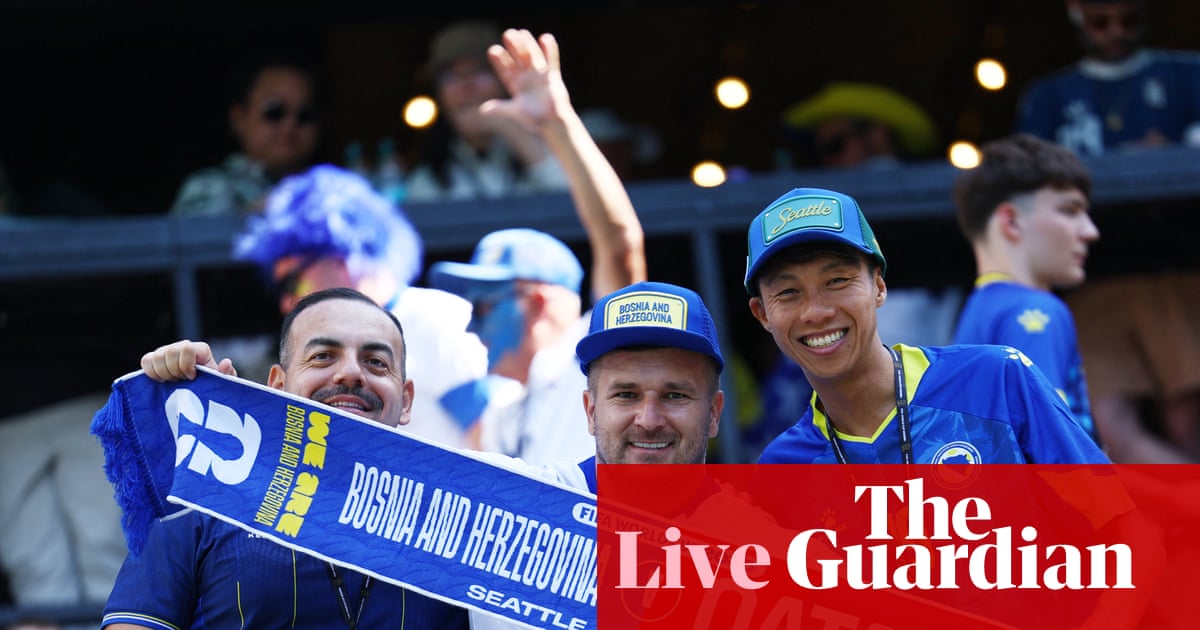
Tactical positioning in the Seattle heat
The 2026 World Cup match between Bosnia and Herzegovina and Qatar in Seattle arrives with both squads fighting to justify their inclusion in the bracket. Kickoff at Lumen Field represents a high-stakes tactical chess match where defensive discipline will likely dictate the outcome. If Bosnia fails to control the tempo through the midfield, Qatar's tendency to defend in a low-block will stifle any momentum they attempt to build.
Bosnia's reliance on their veteran core means they rarely shift away from a traditional 4-3-3. However, the movement of their wingers remains predictable. Against a Qatari side that excels in counter-attacking sequences, leaving the flanks exposed during attacking transition movements is a fatal error. We saw this vulnerability during the qualification stages, where lateral ball progression was too slow, allowing opponents to reset their defensive shape with little resistance.
The defensive math of the low block
Qatar operates with a pragmatism that often frustrates more technical squads. Their preference for a 5-3-2 formation allows them to pack the central channels, forcing the opposition to play wide where effective service is harder to manufacture. In recent matches, their defensive efficiency has improved, moving from conceding an average of 1.8 goals per game early in the cycle to 0.9 goals per game over their last five competitive outings.
For Bosnia, the challenge is individual interpretation of space. If their attacking midfielders fail to pull the Qatari center-backs out of their slots, the final third remains congested. Statistical models suggest that against such a deep-sitting unit, creating high-value chances requires quick verticality or a singular piece of individual brilliance. Slow, methodical build-up play will only invite pressure from Qatar's energetic pivot players who rely on win-rate recovery in the secondary phase.
Midfield control is the primary indicator
Whoever wins the central midfield battle ultimately decides the game. If Bosnia keeps their pass completion rate above 84%, they minimize the risk of handing Qatar the counter-attacking opportunities they crave. Should Qatar force turnovers in the middle of the pitch, the game state shifts immediately. Their strike partnership remains lethal when given as little as three seconds of space before a recovery challenge arrives.
The scheduling of this match at 12pm local time in Seattle adds a layer of physical endurance to the tactical equation. Fatigue often breaks the structure of a low block, creating gaps that typically wouldn't exist in the first half. Watch the transition periods around the 65th minute, where tactical fatigue usually forces a shift in defensive responsibility. As The Guardian reported, the environment in Seattle is set for a tight contest where every marginal gain counts.
Performance markers to watch
Tactical indicators are clear: watch for the distance between the defensive line and the midfield unit. For Bosnia, closing that space is a matter of discipline. If their holding midfielder gets caught too high, the transition gaps become structural liabilities. Qatar is not known for high-volume shooting, but their shot conversion rates often outperform their xG total, usually registering around 12.5% in critical matches. They do not need many shots to score, provided Bosnia shows leniency at the edge of the eighteen-yard box.
Ultimately, this game highlights the growing parity in international football. Whether Bosnia finds the creativity to bypass the low block or Qatar exploits the space behind a high line will decide the match. Accuracy in possession, rather than total volume, remains the deciding metric in this clash of styles. Precision, after all, is the only currency that matters in a tournament format.
Read Next
- England are running out of excuses after that Ghana stalemate
- Norway’s arrogance meets a brutal reality check in the World Cup
- Thomas Tuchel has made England predictable and toothless
- England are a tactical mess and Tuchel isn't the fix
- 🏆 World Cup 2026 — Full Coverage Hub
- 🇧🇦 Bosnia & Herzegovina at the 2026 World Cup — Full Coverage Hub
G-Form Pro-S Blade Shin Guards
Ultra-low profile protection that feels invisible on the pitch.
Frequently Asked Questions
What formation does Qatar use in the 2026 World Cup?
How has Qatar improved their defensive performance recently?
What tactical struggle does Bosnia face against a low-block defense?
Why is the central midfield battle critical for Bosnia?
How will the match environment in Seattle affect the game?
More Coverage

Tottenham have found their swagger, but Elland Road is never straightforward
21 hours ago
Celtic are wobbling and Derek McInnes has Rangers ready to strike
1 day, 13 hours ago
Conor Coady is done playing and League One is about to feel his impact
1 day, 18 hours ago
Jesus de Miguel's death has to change how goalkeepers attack the air
1 day, 21 hours ago
Why Australia's Middle East tour makes zero tactical sense
2 days, 3 hours ago
Who Survived the Wildest CONCACAF Qualifying Race in History
2 days, 5 hours agoMore Analysis

Wolves chasing top spot at Wrexham is peak modern football madness
18 hours ago
Why Australia's Middle East tour makes zero tactical sense
2 days, 3 hours ago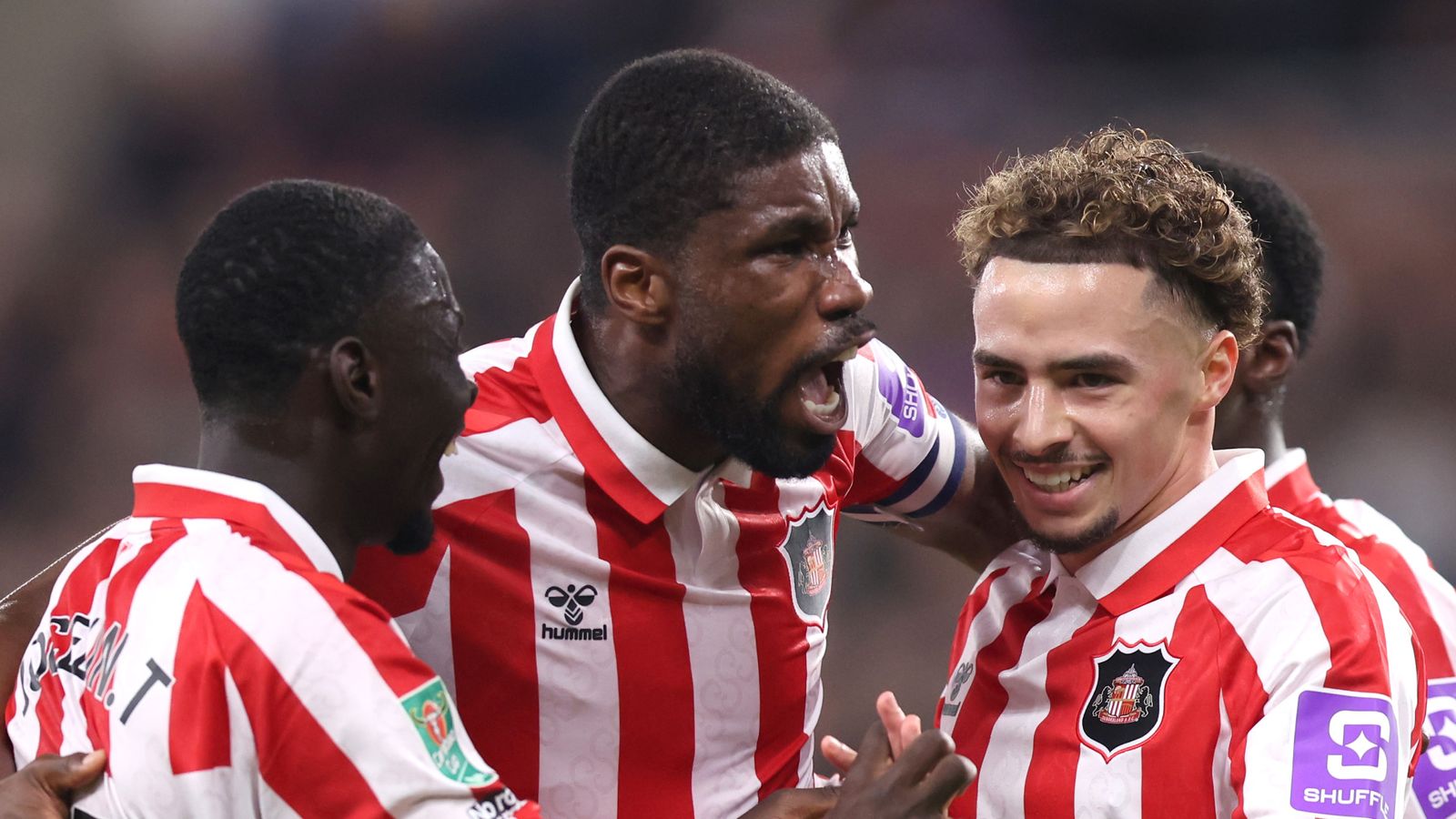
Jocelin Ta Bi just gave Sunderland the wildest thirteen minutes of the year
1 week, 3 days ago
Northern Ireland Turning Into 2004 Chelsea Is Peak Nations League
1 month ago
Why English sport is failing its coaches when the pressure boils over
1 month, 2 weeks ago