The Seattle Storm: Politics, Rescinded Cards, and Ruined Integrity
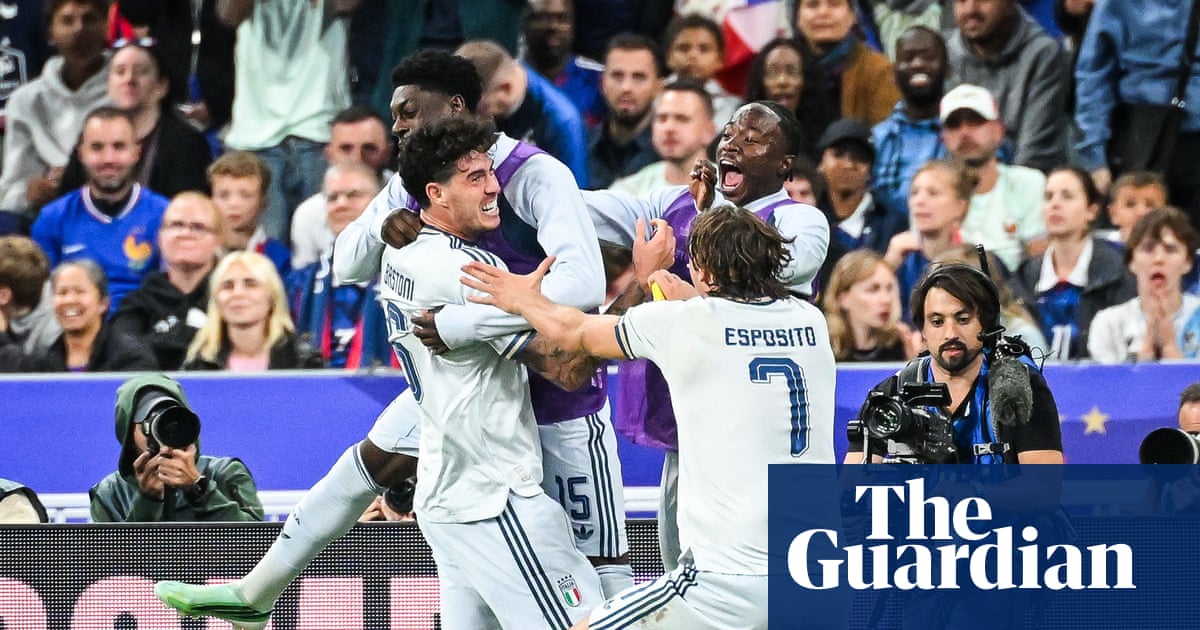
The Seattle rain is matching the mood in the Belgian camp. What was supposed to be a standard tournament suspension has morphed into a full-blown diplomatic crisis. FIFA's sudden, unexplained decision to suspend Folarin Balogun's one-match ban has sent shockwaves through the bracket.
Normally, a straight red card for a studs-up challenge means an automatic seat in the stands. Instead, the U.S. striker is cleared to lead the line tonight at Lumen Field. The decision has drawn fury from former professionals and opposing federations alike. It is unprecedented.
Speaking on the BBC during a lightning delay at the Azteca, Wayne Rooney did not hide his disgust. As Mirror Football reported, the former England captain questioned the very fairness of the competition. Rooney laid into the governing body with characteristic bluntness.
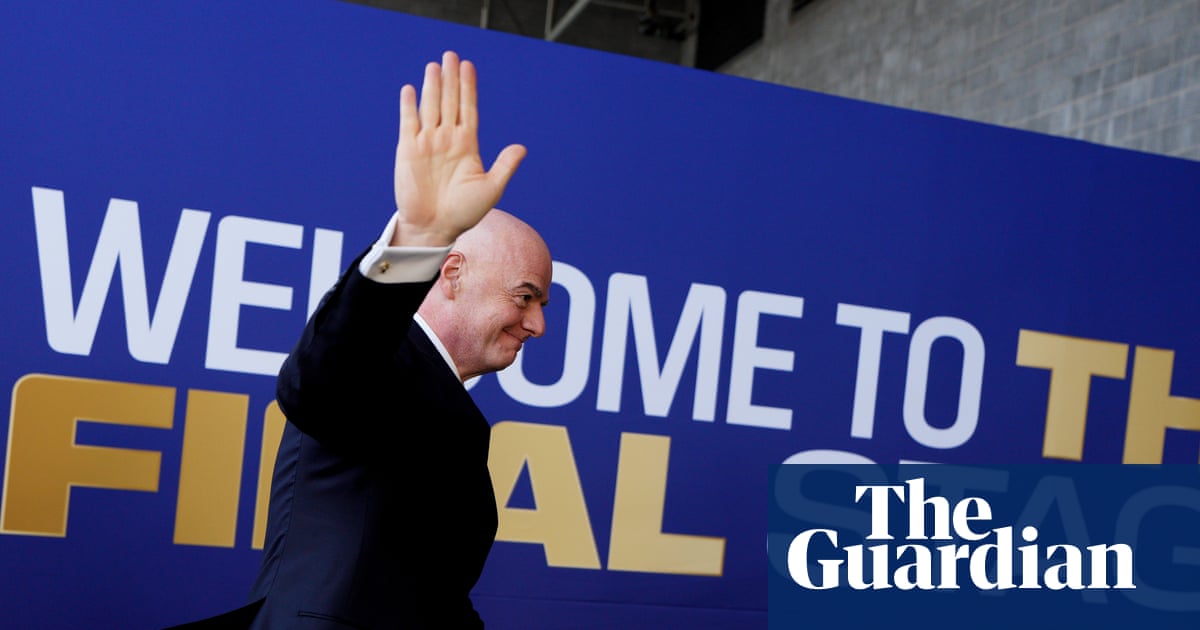
"I think it's an absolute disgrace, I really do. Infantino should be ashamed of this."
Rooney went further, warning that the ruling destroys any pretense of sporting equality. "If you're an England player tonight or a Mexican player, and you get a red card, do you expect to be playing the next game? Where does it stop?" he asked. The sentiment was echoed by co-pundit Micah Richards, who called the decision a complete farce designed to protect the host nation's interests.
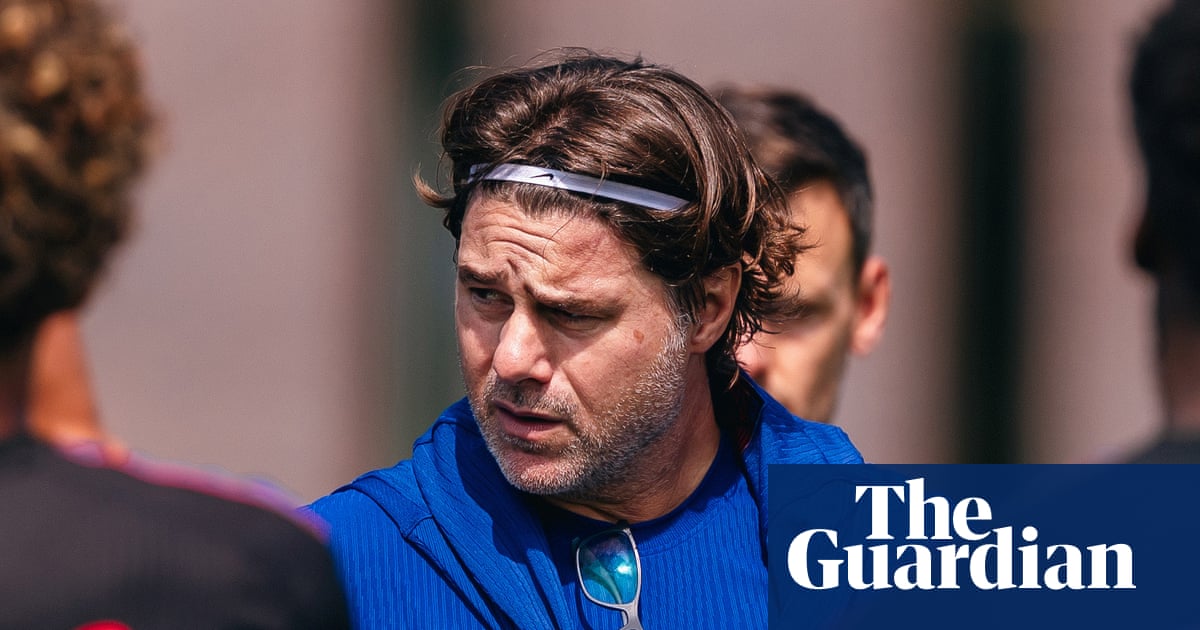
Belgium's manager Rudi Garcia was reportedly stunned by the announcement. The Royal Belgian Football Association is already exploring legal options to protect their interests. Yet, on the pitch, Mauricio Pochettino has welcomed the reprieve, calling the original decision unfair.
Balogun's Channel Runs vs Pepi's Focal Point
Pochettino’s tactical planning for Belgium had likely revolved around Ricardo Pepi. Pepi is a traditional target man, a central anchor who occupies center-backs and links play. He acts as a wall, allowing Christian Pulisic and Timothy Weah to make diagonal runs inside. Pepi is effective when the opponent sits deep, but he lacks the acceleration to exploit space in transition.
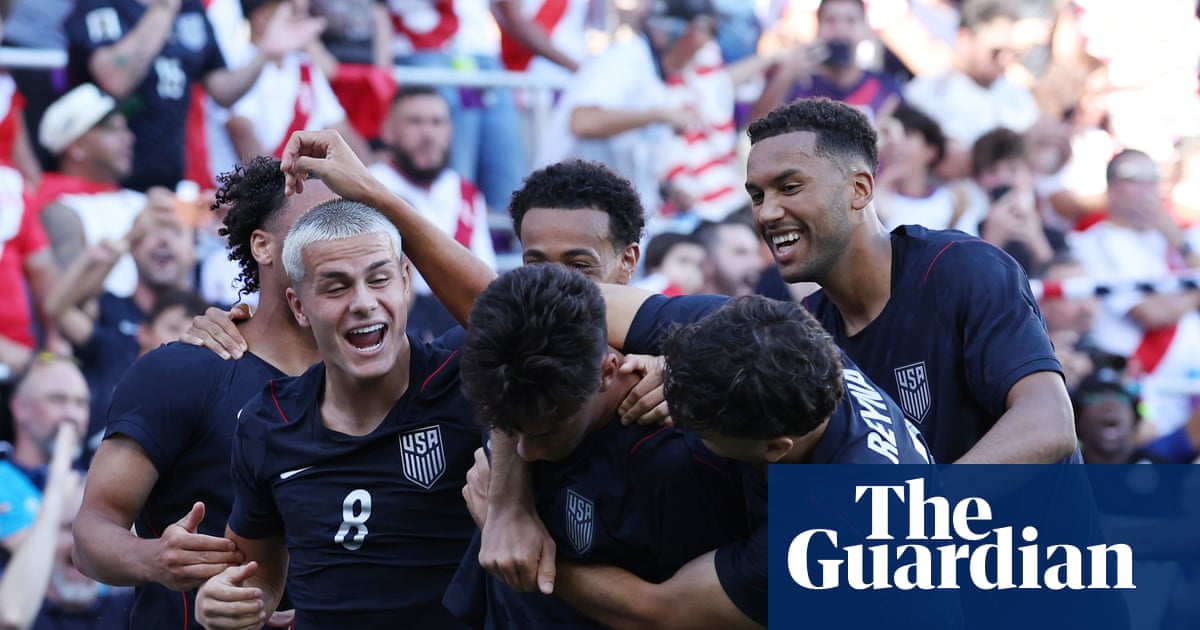
With Balogun cleared, the entire offensive geometry changes. Balogun does not stay central; he wanders. In the Round of 32 victory against Bosnia on July 1, Balogun's movements constantly disrupted Bosnia's back three. He was everywhere.
He operated in the left half-space, dragging Muharemovic out of the defensive line. This movement created the opening for his goal in the 45th minute. He ran onto a slide-rule pass from Antonee Robinson, finishing with a sharp near-post clip. It was a masterclass in exploiting defensive hesitation.
The statistical contrast between Balogun and Pepi is stark. Balogun averages 18.6 pressures per 90 in the attacking third under Pochettino. Pepi averages just 12.4, preferring to save his energy for penalty-box actions. It is a massive difference.
Balogun's relentless pressing forces opposing center-backs into hurried clearances. In a high-intensity system, this defensive work rate is indispensable. Pochettino's out-of-possession structure relies on the striker initiating the press to protect the midfield pivot.
If Balogun starts, USA will employ an aggressive 4-4-2 press out of possession. Balogun will block the passing lane to Belgium's defensive midfielder, Amadou Onana. Pulisic will then jump to press the right-back, Timothy Castagne.
This pressing trigger was highly effective against Bosnia before Balogun's dismissal in the 64th minute. Up to that point, Bosnia had completed only 68 percent of their passes under pressure. The USA’s defensive block looked secure and compact. But the red card forced a retreat into a deep low block.
Exploiting Rudi Garcia's Structural Flaws
Belgium’s defensive organization under Rudi Garcia remains fragile. They transition slowly when possession is lost in the middle third. During the group stage, Belgium conceded an average of 1.25 expected goals per match. This vulnerability is not new, but it is magnified against high-pressing opponents.
Their main weakness lies in the space behind Timothy Castagne. Castagne is instructed to push high up the right wing to provide width. This leaves central defender Wout Faes exposed in wide channels. Faes is often forced to cover a vast amount of ground alone.
Faes is a front-footed defender who likes to step up and intercept. When dragged out wide, however, his positioning becomes erratic. He often leaves a massive gap between himself and his central partner, Zeno Debast. This is fatal.
This is where Balogun's channel running becomes lethal. Balogun excels at making curved runs from the center into the left channel. He exploits the gap between the right-back and the right center-back. His pace will force Debast to drift cover, opening up the center of the box.
If Balogun can isolate Faes in 1v1 situations, Belgium will be in trouble. Pulisic can then exploit the space vacated by Faes, cutting inside onto his right foot. This pattern has been a staple of Pochettino's attacking play at every club he has managed.
Rudi Garcia must decide whether to instruct Onana to drop deep to cover. If Onana drops, Belgium lose their midfield presence. If he stays high, Faes will be left alone to handle Balogun's speed. Garcia's defensive scheme has no easy answer to this dilemma.
Belgium's left-back, Arthur Theate, is more conservative than Castagne. He often tucks in to form a back three when Castagne attacks. This asymmetrical structure can be exploited if the USA switch play quickly. A rapid shift can catch Theate out of position.
A rapid diagonal pass from Weston McKennie to the left wing could catch Belgium off-balance. Robinson can then overlap Pulisic, creating a 2v1 against Castagne. These quick transitions will define the game. Speed is key.
The Midfield War: Neutralizing De Bruyne
Stopping Belgium begins and ends with limiting Kevin De Bruyne's influence. Under Rudi Garcia, De Bruyne plays in a free role behind the striker. He constantly searches for space between the opponent's midfield and defensive lines. If he gets half a yard, the match is over.
Pochettino will likely deploy Tyler Adams and Johnny Cardoso as a double pivot. Their job is to deny De Bruyne time on the ball. They must maintain a tight distance of no more than ten meters between themselves and the back four. This vertical compactness is non-negotiable.
Against Bosnia, Adams completed 91 percent of his passes and made four interceptions. His lateral mobility is pivotal for covering the width of the pitch. Cardoso provides the physical presence to compete in aerial duels and break up play.
If De Bruyne is allowed to turn and face the defense, he will pick apart the backline. Romelu Lukaku's runs will stretch the USA center-backs, Tim Ream and Chris Richards. Ream's lack of pace is a major concern against Lukaku's power. It is a mismatch.
Pochettino cannot afford to let his defenders defend Lukaku in isolated 1v1 duels. The midfield pivot must cut off the supply line before De Bruyne can slide passes through. This requires a disciplined, compact mid-block. Any vertical stretching of the U.S. lines will be punished.
When the USA recover the ball, they must play through McKennie. McKennie's ability to carry the ball under pressure will relieve pressure on the defense. He can then release Balogun or Pulisic on the counter-attack. His lung-bursting runs will be vital.
Belgium's midfield can be overrun if De Bruyne does not track back. Tielemans is not a natural defensive destroyer and can be bypassed easily. The battle in the center circle will determine who controls the tempo of the match.
The Verdict and Prediction
This match is set to be a tactical chess game played at high speed. The political noise surrounding Balogun's clearance has raised the stakes to an absolute maximum. Belgium will feel aggrieved and motivated by what they perceive as unfair treatment. They will channel that anger into their physical challenges.
However, motivation does not solve structural defensive issues. Belgium's backline is simply too slow to cope with a fully fit Folarin Balogun. His ability to stretch the play will create the necessary room for Pulisic to dominate. Expect the U.S. captain to find joy in the half-spaces.
Pochettino’s sides are at their best when they can transition quickly. The USA will yield possession, drawing Belgium forward. Once the turnover is secured, they will strike immediately into the channels. It is a classic Pochettino game plan.
Expect a tense, ill-tempered affair in Seattle. The referee will have a difficult job keeping control of the players. A single defensive error from Faes will decide the tie. Tensions will spill over before the final whistle.
The USA will advance after a hard-fought battle. Balogun will justify his controversial inclusion by scoring the decisive goal. The host nation's dream run continues into the quarter-finals. It will be ugly, but it will be historic.
Final Prediction: USA 2, Belgium 1.