Eberechi Eze is learning the hard way how Mikel Arteta operates
The City Ground hook and the end of indulgence
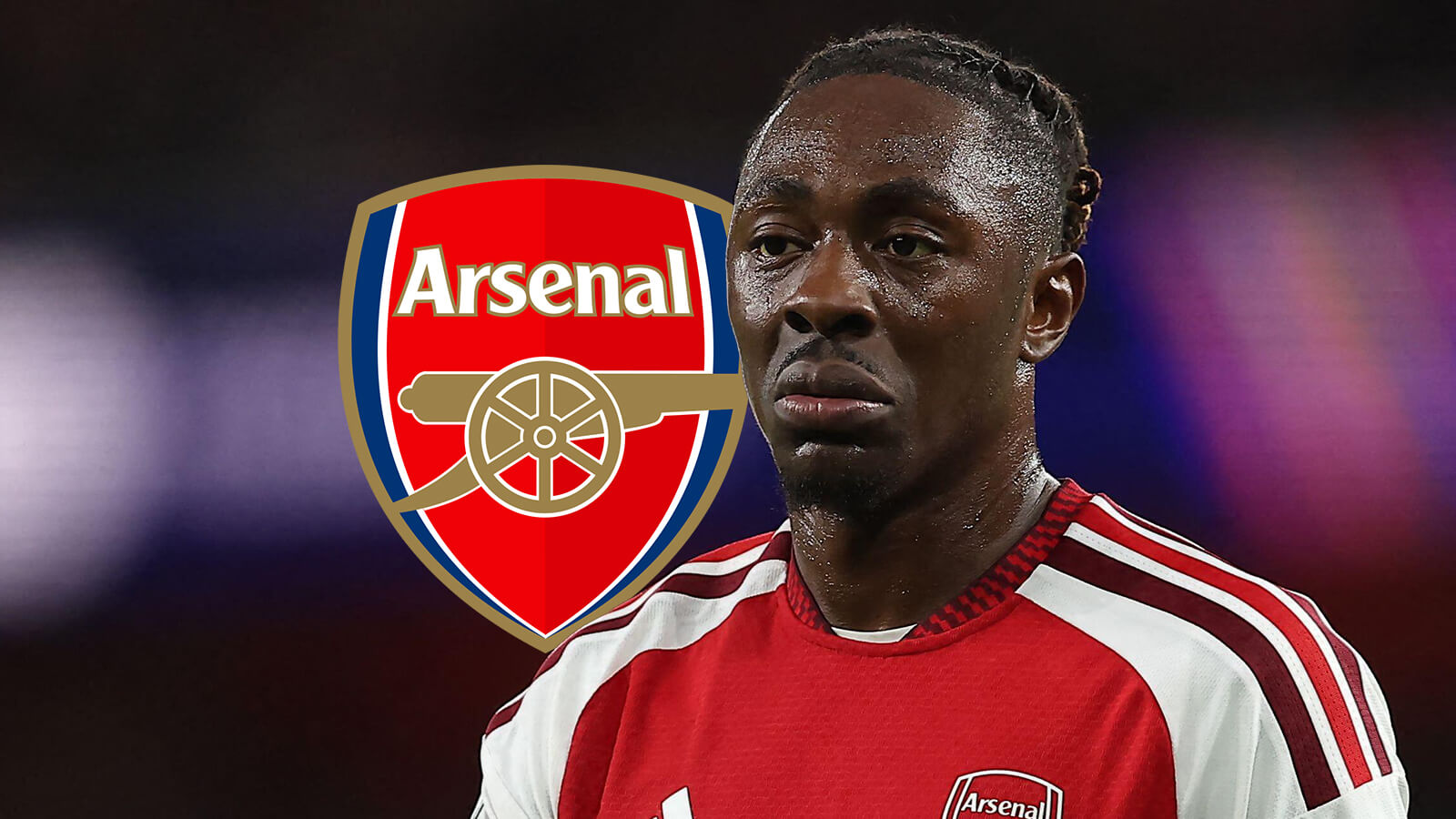
When Mikel Arteta hauled Eberechi Eze off at half-time against Nottingham Forest at the City Ground, nobody on the Arsenal bench blinked. It felt less like an impulsive substitution and more like the predictable execution of an established managerial code. Eze had wandered through forty-five minutes without registering a clean pressing action or executing a single penetrative carry against Forest's low defensive block.
Arteta does not manage by emotional attachment or individual reputation. His tactical setup is an exacting geometric blueprint built on precise passing angles, synchronized triggers, and relentless structural discipline. The moment an attacker wanders outside those tight operational boundaries, Arteta's patience evaporates.
Eze arrived in north London with the pedigree of an elite Premier League difference-maker. Arsenal committed £70m to recruit the England international from Crystal Palace in the summer of 2025, betting that his expressive ball-carrying could provide the unpredictable spark needed in congested fixtures.
Yet after a debut season that returned seven goals and two assists during Arsenal's title-winning campaign, the current term has laid bare a growing tactical divide. Through eight appearances in all competitions, he has managed just a single goal and a solitary assist. The early optimism is evaporating quickly into sideline frustration.
Thirty touches in a mechanical cage
Arsenal legend Paul Merson offered a blisteringly accurate diagnosis on Sky Sports when evaluating Eze's current predicament. At Selhurst Park, the entire attacking model was designed around Eze's instincts, his rhythm, and his individual tempo. The team talk was simple: get the ball into Eze's feet, let him isolate defenders, and build the match around his creative whims.
That indulgent luxury does not exist at Arsenal. In Arteta's possession system, the pitch is partitioned into five distinct vertical corridors, and every player operates under strict positional guidelines. Bukayo Saka dominates the right wing, Martin Odegaard orchestrates central play, Declan Rice controls transition corridors, and Bruno demands the ball between the lines.
"At Arsenal, he gets on the ball, and he’s got to make things happen in the 25, 30 times he’s touched the ball instead of the 100 times he touches the ball at Palace."
Merson's touch-count disparity exposes the central psychological hurdle facing Eze. When a playmaker's involvement collapses from one hundred touches down to roughly 25 to 30 touches, every single touch carries an unbearable weight of efficiency. At Palace, Eze could attempt an ambitious nutmeg on the edge of his own penalty area, lose possession, and recover because his role was that of a protected talisman.
At Arsenal, losing the ball in dangerous areas invites immediate disaster against elite opposition. A failed dribble does not just waste an attack; it disrupts Arsenal's rest defense, catches full-backs out of position, and exposes central zones to rapid counter-attacks. For a manager whose tactical foundation is built on total control, such carelessness is treated as an unforgivable tactical sin.
When you play in Arteta's side, you are not allowed to be a free spirit. You are an interlocking part within a synchronized pressing machine. If you stop running or misjudge a spatial trigger, the entire defensive structure collapses behind you.
The Villa Park precedent and defensive accountability
The warning signs regarding Eze's compatibility with Arteta's defensive demands emerged long before his half-time substitution at the City Ground. Last season against Aston Villa at Villa Park, Eze fell asleep at the back post, permitting Matty Cash to ghost behind him unmarked and score a decisive goal. Arteta promptly substituted him at the interval, sending a chilling message through the dressing room.
The fallout from that afternoon in Birmingham was severe. Following that defensive lapse, Eze started only one single Premier League match over the subsequent two months. That brutal benching illustrated the stark reality of Arteta's selection criteria: attacking brilliance will never compensate for defensive absenteeism.
Merson pointed out that Arsenal's squad depth has fundamentally altered the power dynamic between manager and player. When a manager possesses a bench stacked with international talent, replacing an underperforming starter takes seconds. At Palace, an out-of-form Eze would remain on the pitch for ninety minutes because the alternative options were vastly inferior.
At Arsenal, the hook is always waiting. Arteta does not wait for a player to play his way through poor form during a live match. If the physical output drops, or if the tactical assignment is neglected, the substitute is already stripped and ready on the touchline.
Arteta's history of ruthless tactical decisions
To appreciate why Eze's future looks so precarious, one must study Arteta's managerial lineage. This is a coach who has consistently demonstrated zero tolerance for players who resist systemic integration. His ambition was evident as early as the summer of 2019, when Arteta was tempted by Newcastle before eventually taking the reins at Arsenal, always prioritizing long-term structural alignment over short-term popularity.
Nowhere was Arteta's cold pragmatism more visible than in his ruthless decision to sign David Raya in 2023. Aaron Ramsdale had been a central figure in Arsenal's resurgence, beloved by the Emirates crowd for his infectious passion and sharp shot-stopping. Arteta ignored public sentiment, relegated Ramsdale to the bench, and installed Raya as his definitive number one.
As The Mirror reported, Peter Schmeichel admitted on The Overlap that he initially questioned the signing before Raya's heroics helped secure Arsenal's Premier League title last season. Schmeichel revealed what he told Raya following their championship triumph:
"If you had not been in that goal, you would have been nowhere near the championship."
Schmeichel's tactical assessment underscored how Raya transformed Arsenal's defensive architecture. Raya's superior aerial dominance and aggressive distribution allowed Arsenal to push their backline ten yards higher, suffocating opponents inside their own half. When Raya produced a miraculous save against West Ham last term to deny Mateus Fernandes before Arsenal found a late winner, Arteta hailed it as the magic moment that defined their title campaign.
Arteta even admitted he once contemplated substituting goalkeepers mid-match, proving that no position or reputation is sacred under his watch. That cold-blooded substitution of Ramsdale proved Arteta values system functionality over personal affection every single time. A player with Eze's defensive lapses cannot expect special treatment from a manager with that track record.
Square peg, £70m hole on the left wing
The current friction surrounding Eze points to an unresolved tactical dilemma on Arsenal's left flank. As Football365 and TEAMtalk indicate, frustration is mounting on both sides regarding Eze's inability to secure a regular starting berth. The problem stems from a fundamental mismatch between player profile and tactical role.
Eze was originally recruited to provide interior creativity as a central number ten, an attacking midfielder operating in tight spaces behind the striker. Yet with Odegaard commanding the central creative zone and Arsenal's system relying on twin inverted eights, Eze has repeatedly been pushed out to the left flank. On the left wing, Arteta demands an attacker who can hold touchline width, pin the opposing full-back, and engage in relentless pressing sequences.
TEAMtalk correspondent Graeme Bailey highlighted the uncomfortable truth: everyone at the club recognizes the left-sided attacking spot is wide open, but Arsenal already know Eze is not the answer. Bailey observed that Eze will be fortunate to receive another Premier League start before Christmas after his dismal showing at the City Ground. For a player who commanded a massive transfer fee, being reduced to a fringe squad option after barely fifteen months represents a damaging recruitment stumble.
Eze simply does not possess the natural instincts of a chalk-on-the-boots winger. He wants to slow the tempo down, shift his weight, and drift laterally into central zones where Odegaard and Rice are already orchestrating play. When he cuts inside, he clogs the half-spaces and leaves Arsenal's left-back completely isolated on defensive transitions.
The systemic flaw in Arteta's rigid machine
Herein lies the legitimate critique of Arteta's management style: in his quest for complete tactical control, he frequently suffocates natural creative flair. Arsenal's history under Arteta features painful reminders of what happens when rigid structure meets obstinate opposition. The 2021-22 campaign collapsed when Arsenal froze in a decisive penultimate match at St James' Park, handing fourth place to Tottenham.
Even more damaging was the 2025 Carabao Cup semi-final, where Arsenal entered as overwhelming favorites against Newcastle. Over two legs, Eddie Howe's side physically dismantled the Gunners, handing Arteta a humiliating 4-0 aggregate defeat across two lifeless 2-0 losses. In both matches, Arsenal dominated possession but lacked any semblance of improvisation against a well-drilled low block.
Eze was purchased precisely to solve that structural stagnation. He possesses the rare dribbling agility to break down deep defensive blocks through individual brilliance rather than mechanical passing sequences. Yet instead of adjusting his framework to accommodate Eze's unique talents, Arteta has demanded that Eze conform to the rigid duties of a touchline winger.
By stripping Eze of his attacking freedom, Arteta has effectively blunted the very weapon he paid millions to acquire. An inhibited Eze who hesitates on the ball is worthless to a title-challenging side. He becomes neither a dynamic winger nor an effective playmaker, caught in tactical purgatory.
The looming winter reckoning
The standoff between manager and playmaker is rapidly approaching a decisive crossroad. Arsenal's squad is engineered to win silverware today, not to nurture the delicate confidence of an expensive luxury player. With title expectations bearing down on north London, Arteta will not hesitate to rely on dependable tactical foot soldiers over an unpredictable maverick.
If Eze cannot adapt to the defensive tracking, pressing triggers, and spatial discipline required at Arsenal, his Emirates career risks stalling completely. He must learn to maximize his limited touches, eliminate defensive lapses like the one against Villa, and accept that free spirits do not survive in Arteta's industrial tactical laboratory.
The alternative is spending the winter months glued to the bench, watching others execute the plan he was bought to elevate. At the elite level, pedigree and price tags buy you only a handful of opportunities. At the City Ground, Eze may have just burned through his last one for quite some time.
Adidas World Cup 2026 Trionda Training Ball
Bring the spirit of the 2026 World Cup to your local pitch.
Frequently Asked Questions
Why did Mikel Arteta substitute Eberechi Eze against Nottingham Forest?
How much did Arsenal pay to sign Eberechi Eze from Crystal Palace?
What are Eberechi Eze's stats for Arsenal in the current season?
How does Eberechi Eze's role at Arsenal differ from Crystal Palace?
Why is Eberechi Eze struggling under Mikel Arteta's tactical system?
More Coverage
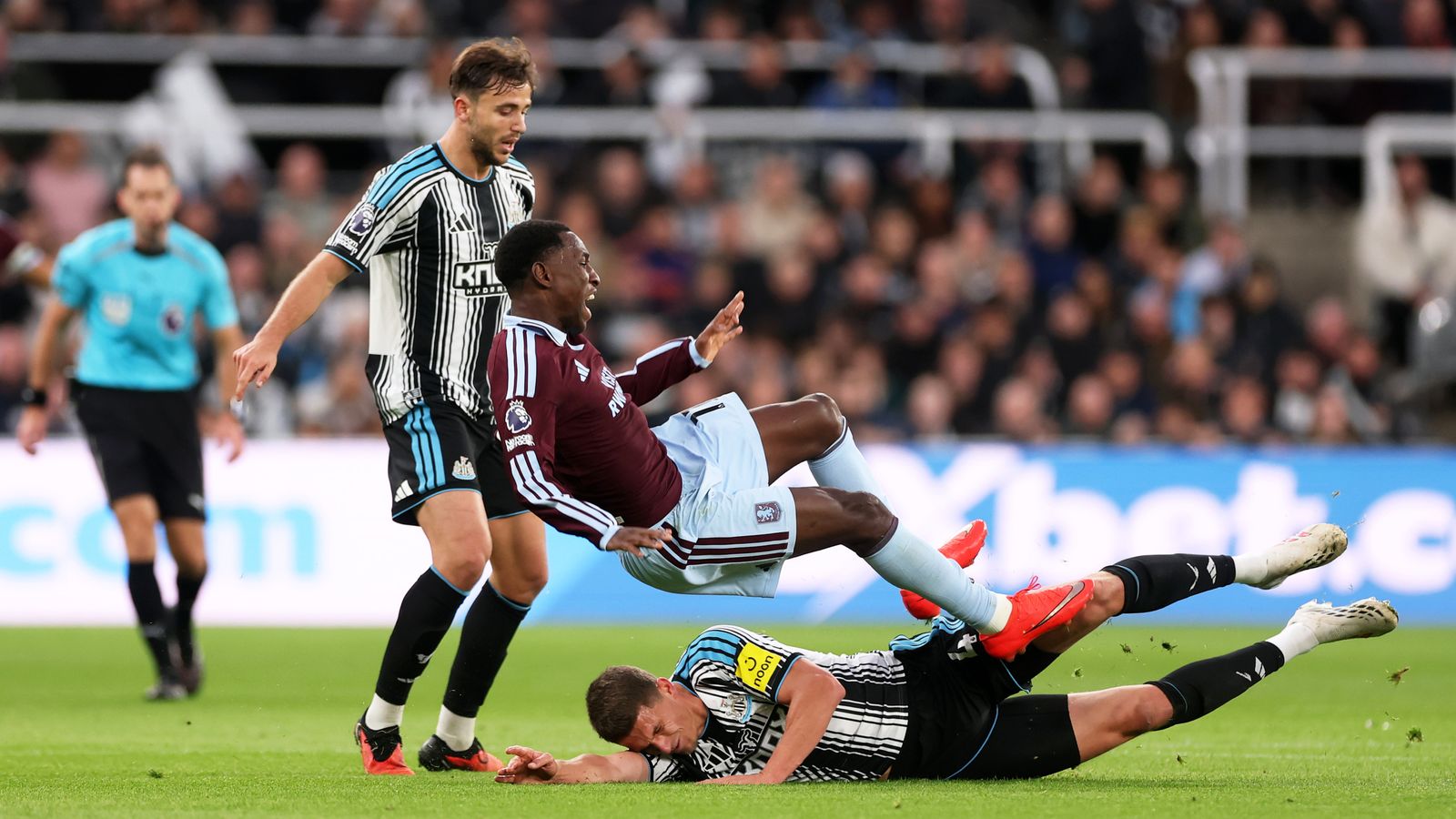
Howard Webb backs Botman escape but PGMOL logic leaves fans baffled
2 hours ago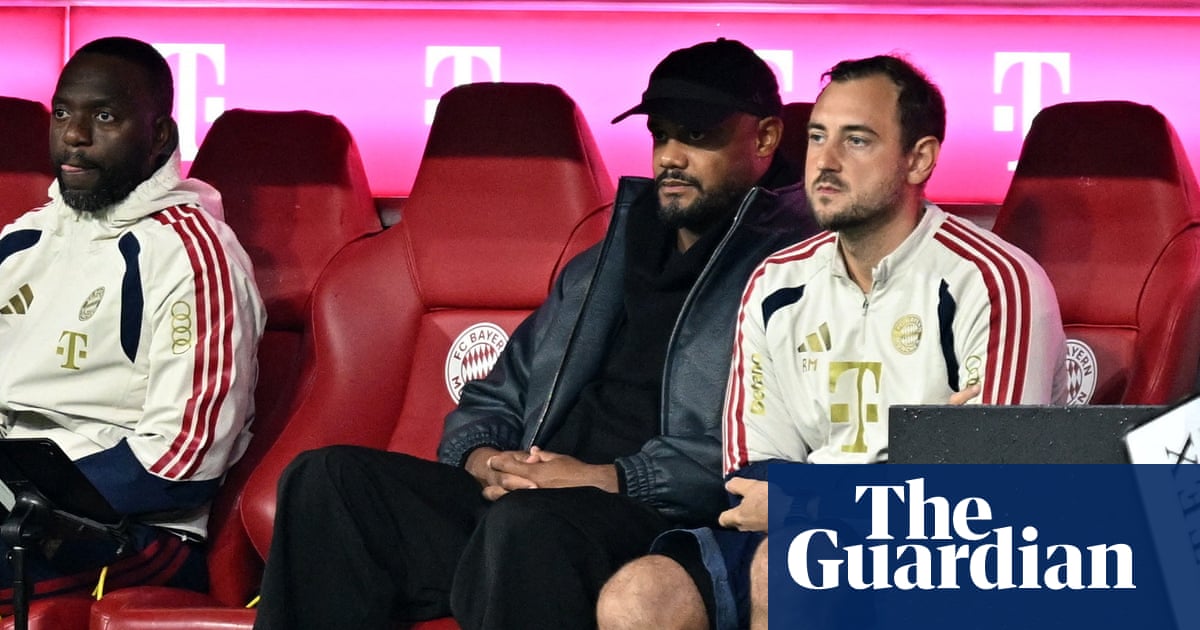
Bayern face Arsenal without Kompany and chaos usually follows
3 hours ago
Arsenal face Leeds with Arteta locked in and a point to prove
1 week, 6 days ago
Why Tottenham Are Screwed and Man City's Perfect Start Means Nothing
1 week, 6 days ago
Tottenham are stuck at the bottom and history says they should panic
1 week, 6 days ago
Erling Haaland Chose Barcelona Over Arsenal and It Makes Total Sense
1 week, 6 days agoMore Analysis
Bayern face Arsenal without Kompany and chaos usually follows
3 hours ago
Arsenal face Leeds with Arteta locked in and a point to prove
1 week, 6 days ago
Why Tottenham Are Screwed and Man City's Perfect Start Means Nothing
1 week, 6 days ago
Tottenham are stuck at the bottom and history says they should panic
1 week, 6 days ago
Erling Haaland Chose Barcelona Over Arsenal and It Makes Total Sense
1 week, 6 days ago