The post-match reality for Spain's hero
Spain winger Nico Williams suffered a high-grade ankle sprain during the final minutes of yesterday's World Cup victory. Sources confirm the injury occurred late in extra-time while Williams was navigating a challenge during the final attacking sequence. Despite a successful tournament performance, the winger is now facing a significant layoff.
The recovery timeline
Initial medical evaluations classify the injury as a grade two sprain. Team doctors have stipulated a recovery window of six to eight weeks. This timeline effectively sidelines Williams for the start of the upcoming league campaign. He will begin physical therapy in Madrid early this week.
Previous precedents and strategic fallout
Ankle stability is non-negotiable for a winger who relies on lateral acceleration. Similar injuries for players in high-tempo positions frequently lead to re-aggravation if the return is rushed. Athletic Club, his parent club, will be monitoring the progress closely to ensure he regains full range of motion. The risk remains that a premature return could compromise his explosive change-of-direction ability for the remainder of the calendar year.
The broader impact of Spain's heavy schedule
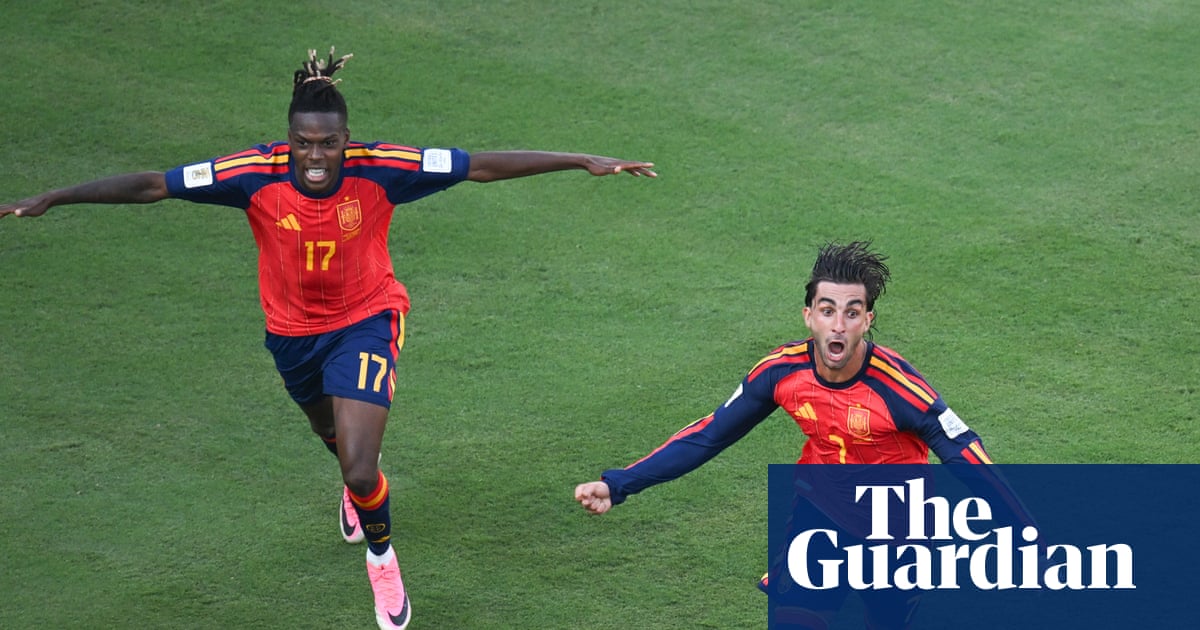
Spain's squad underwent a brutal physical regimen throughout the knockout rounds. As The Guardian reported, the decisive goal from Williams and Ferran Torres highlighted the depth of the roster, yet that depth is now being tested by medical reality. The sheer volume of matches played in July has left several key assets moving with noticeable limitations in recovery sessions.
Tactically, the absence of a primary outlet like Williams forces a shift in team shape. His ability to isolate defenders on the wing was central to their knockout strategy. Without that threat, opponents can tighten their defensive lines, reducing the space for creative midfielders. The reliance on substitute energy proved effective in the final, but it mask the underlying physical decline occurring across the squad.
Critical observations on management
The coaching staff's decision to maintain high intensity in the final five minutes of extra-time is drawing internal criticism. With a narrow lead established, medical staff expected a more conservative approach to protect personnel. Instead, the team continued to press, which directly contributed to the contact that resulted in the sprain. It is a recurring issue where tactical momentum takes precedence over individual player health.
Market and team adjustments
Clubs across the continent are already recalibrating their transfer plans in light of these late-tournament injury reports. The value of depth beyond the starting eleven has never been more apparent. Teams that invested in secondary options are now looking to finalize squad rotations before the league windows close.
For the national federation, the celebrations are tempered by the bureaucratic paperwork of insurance claims. Managing the health of high-profile athletes after a tournament cycle has become a primary point of contention between international bodies and club management. The fallout from these injuries often dictates domestic performances for months afterward. Expect limited updates from the club until the initial two-week immobilization period is complete.
Read Next
- Nico Williams and the tactical evolution of Spain's 2026 squad
- FIFA's 64-team World Cup proposal ignores player welfare reality
- Spain won the World Cup by abandoning their traditional passing obsession
- Why Spain’s World Cup glory is putting transfer targets in a holding pattern
- 🏆 World Cup 2026 — Full Coverage Hub
- 🇪🇸 Spain World Cup 2026 — La Roja Hub