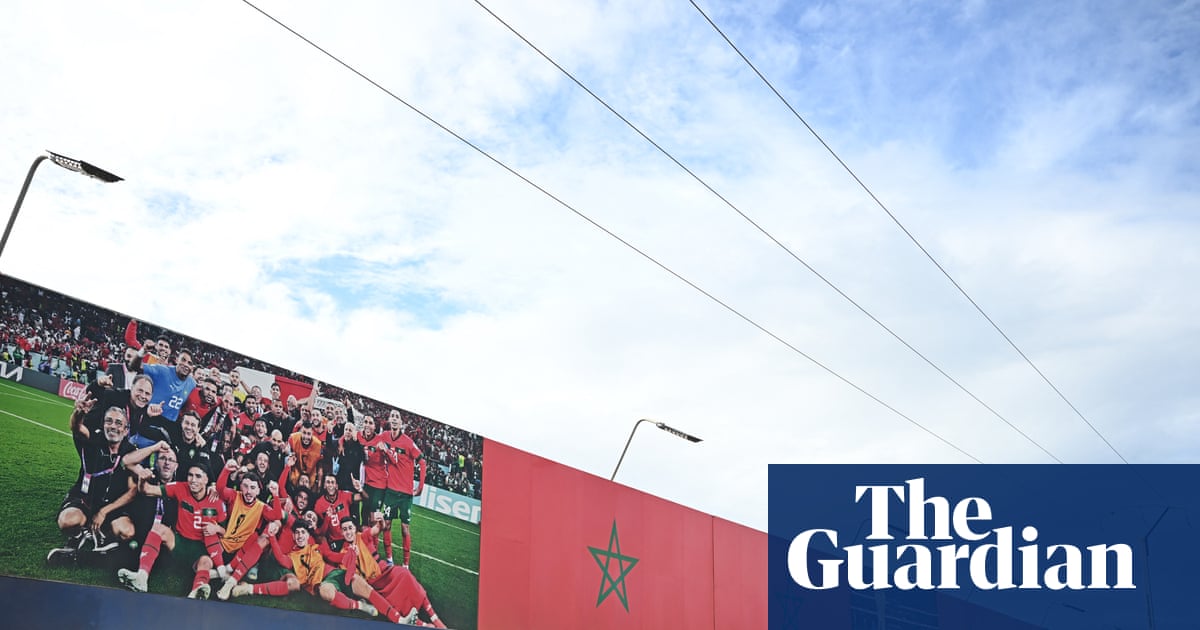
The Houston Horror Show
Put down your draft beer and look at the absolute wreckage left on the Houston pitch. If you genuinely believed Canada was ready to run with the big dogs of international football, I hope you kept the receipt for that optimism. Morocco did not just beat the co-hosts; they systematically dismantled them in front of a stunned crowd.
The final scoreline was a brutal 3-0, and honestly, it felt much worse than that. From the opening kickoff, Canada looked like a team that had wandered into a high-stakes poker game with nothing but Monopoly money. They became the first of the three co-hosts to exit the tournament, leaving the United States and Mexico to carry the North American banner alone.
Let's be completely honest about what we saw in Texas. This was not a case of bad luck or a couple of refereeing decisions going the wrong way. As the BBC coverage of Canada's exit showed, this was a class in elite football. The Canadians wanted a track meet, but Morocco gave them a chess match and took all their pieces.
The build-up to this match was full of classic North American hype. Media outlets were projecting path-to-the-final scenarios, and fans were booking hotels in anticipation of a historic run. Instead, the reality of the global game came crashing down in the humid Texas air.
The tone was set early, and it never changed. Every time Canada tried to build momentum, they ran face-first into a red wall. It was a sobering reminder of the distance between regional dominance and global reality.
You could hear a pin drop in the stadium by the time the third goal went in. The Canadian fans had spent the last two years dreaming of a deep run on home soil, only to watch their team get treated like a warmup opponent. It was a sobering, ice-cold shower of reality for a soccer program that has spent far too much time smelling its own roses.
Let's stop pretending this was some heroic defeat. Canada got exposed in every single phase of the game, from the tactical setup to individual work rates. If you cannot execute basic defensive assignments at this level, you get sent home, simple as that.
Ounahi and the Midfield Massacre
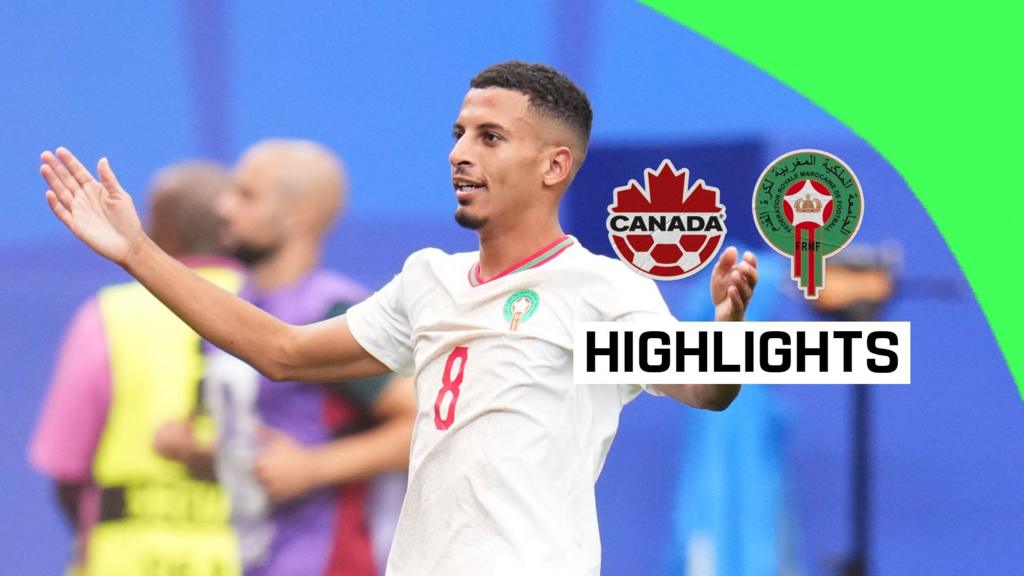
Let's talk about Azzedine Ounahi because the Moroccan midfielder put on a clinic that should be studied in academies. If you do not know his name by now, you have been living under a rock since the Qatar tournament. He did not just run the game; he owned the space, the ball, and the souls of the Canadian midfield.
Canada's press under Jesse Marsch is designed to force turnovers and create chaos. The problem is that chaos only works if the other team panics. Morocco does not panic. Ounahi simply glides past defenders like they are training cones, turning high-intensity pressure into transition opportunities for his side.
We saw this same movie in Qatar, where Morocco's midfield simply choked the life out of European powerhouses. Canada apparently did not watch the tape. They approached the match as if they could out-run a midfield unit that makes its living playing out of tight spaces in La Liga and Ligue 1.
Time and again, Stephen Eustaquio was left chasing shadows in the center circle. When Canada tried to squeeze the space, Ounahi played simple, elegant bounce passes that bypassed the entire first line of pressure. It was death by a thousand cuts, executed with surgical precision.
He was aided by Sofyan Amrabat, who anchored the Moroccan midfield like a steel beam. Amrabat did the dirty work, breaking up plays and recycling possession, which allowed Ounahi the freedom to destroy Canada's lines. The duo worked in perfect harmony, making Canada's midfield look like a chaotic playground kickaround.
It was painfully obvious that Canada had no answer for Morocco's technical superiority. When you press a team that can pass out of a telephone booth, you are just running yourself into the ground. By the hour mark, the Canadian players looked like they were running through wet cement.
The Tactical Naivety of Red Bull Soccer
Jesse Marsch has a style, and he is going to stick to it even if it kills him. In Houston, it absolutely killed Canada's chances of progressing. The decision to play a high defensive line against a team with Morocco's passing quality was tactical suicide.
Alphonso Davies spent half the game trying to play left winger, left back, and playmaker all at once. It is a massive burden to place on one player, no matter how talented they are. When Morocco realized Davies was the only real threat, they simply doubled him with Achraf Hakimi and a tracking midfielder, completely shutting down Canada's left flank.
This has been the warning sign for Canada for years. In CONCACAF, you can get away with defensive lapses because opponents lack the clinical edge to punish you. Against Morocco, every mistake was converted into a scoring chance, showing the difference between regional qualifiers and the World Cup knockouts.
Jonathan David was left to starve on an island upfront. He had to drop so deep to get a touch of the ball that he was basically playing as a third center-back at times. When your star striker is touching the ball closer to his own goal than the opponent's, your offensive system is completely broken.
The defensive pairing of Canada looked completely out of depth against the movement of Morocco's front line. Every cross into the box created panic, and the communication was non-existent. It was a defensive display that would make Sunday league coaches throw their clipboards in frustration.
The Canadian team seemed to believe their home-crowd advantage would carry them through. They forgot that Morocco has played in much more hostile environments and thrived. The Atlas Lions were completely unbothered by the partisan crowd in Houston.
When you look at the official match breakdown, the tactical disparity is glaring. Morocco had fewer total passes but double the dangerous entries into the box. They were efficient, lethal, and completely in control of the tempo.
Canada's substitutions in the second half did nothing to change the flow. Bringing on extra attackers just created more space for Morocco to exploit on the counter. It was a coaching performance that lacked any sort of Plan B.
The Co-Host Burden and the Road Ahead
The hype machine surrounding Canadian soccer has been out of control since their qualifying run for the previous World Cup. Everyone wanted to talk about the golden generation and the home-field advantage. Nobody wanted to talk about the lack of depth or the defensive frailties that have been obvious to anyone watching closely.
Now, Canada is the first co-host to exit, and the post-mortem is going to be ugly. While the US and Mexico are still fighting, Canada is left to clean up the wreckage of a campaign that promised so much and delivered so little. The fans in Houston deserved better than a passive, disorganized exit.
Being a host nation is a double-edged sword. You get the energy of the crowd, but you also inherit a mountain of expectation that this squad was not built to handle. Canada walked into this tournament believing their own hype, and Morocco served them a cold dish of truth.
When Alphonso Davies is neutralized, the entire Canadian plan falls apart. Morocco knew this, targeted him, and dared anyone else on the Canadian roster to beat them. No one stepped up.
Marsch was hired to bring a modern, high-tempo style to this group, but his tactical rigidity is already drawing criticism. You cannot play a single, high-risk style when your squad lacks the depth to execute it against the best teams in the world. The manager's seat is going to get very warm in the coming weeks.
The path forward requires a massive reality check for the entire soccer establishment in the country. You cannot build a sustainable national team program on the backs of two or three star players. There needs to be a serious investment in developing technical midfielders who can keep the ball under pressure.
Morocco moves on to the quarter-finals, and they look like a team that could go all the way. They have the structure, the talent, and the tactical discipline that Canada can only dream of right now. For the Canadians, the party is over, and the hangover is going to last a long time.
The Canadian Soccer Association has major decisions to make regarding the direction of the national team. You cannot compete at this level with a thin squad and a tactical system that refuses to adapt. It is time for some hard conversations in the front office.
As the final whistle blew in Houston, the Moroccan celebrations began, and they were fully deserved. They look like a team capable of matching their historic run from four years ago. Canada, meanwhile, is left to plan for a future that suddenly looks a lot more complicated.
Read Next
- Canada's World Cup dream just got run over by Azzedine Ounahi
- Why Morocco will not survive their quarter-final clash with France
- Why Jesse Marsch benched Alphonso Davies against Morocco
- Canadian fans are losing their minds before the Morocco World Cup clash
- 🏆 World Cup 2026 — Full Coverage Hub
- 🇨🇦 Canada World Cup 2026 — Les Rouges Hub
- 🇲🇦 Morocco World Cup 2026 — Atlas Lions Hub
- 🇧🇷 WC 2026 Group C — Brazil, Morocco, Scotland, Haiti