The shadow of 2026 and the 2030 reality check
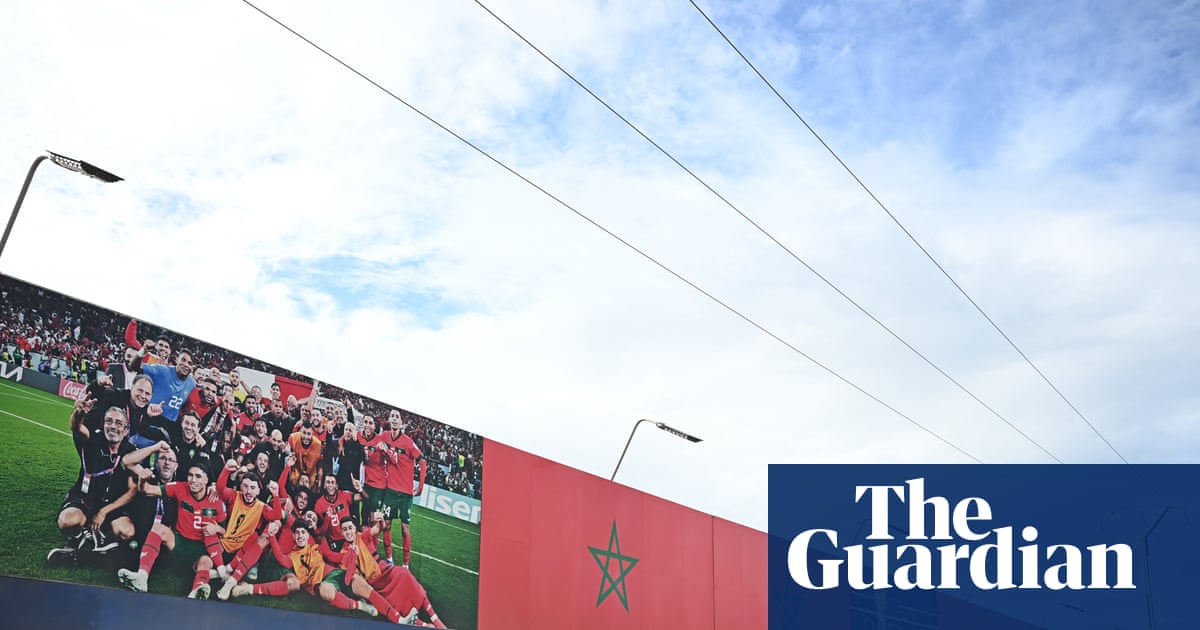
The dust has barely settled on the latest global cycle, and the conversation is already shifting toward the 2030 iteration of the tournament. Morocco enters this phase as a central figure, inheriting the complex logistical mantle that defined previous host nations. While the romanticism of the bid provided the initial spark, the fiscal architecture requires a sharper focus.
As The Guardian reported, the looming fiscal pressure suggests the organizers are balancing ambitious structural expansion against the cautionary tales of past hosts like South Africa. Integrating transport networks while ensuring stadiums avoid the 'white elephant' status remains the primary hurdle for the Moroccan project.
Tactical development follows the infrastructure
Morocco proved its pedigree in recent years, pushing deep into competitive brackets before falling to France in the quarter-finals. That performance created an expectation of competence, yet there is a gap between elite-level tournament football and organizing the logistical machine required for a co-hosted event.
The current challenge involves managing a 1,400-day countdown to kickoff. Unlike established powers with modular stadium plans, Morocco is attempting to fast-track regional connectivity. This is where the budget often exceeds the initial projections by a significant margin. Success in 2030 rests on whether the state can maintain a 95% completion rate on transit projects by mid-2029.
The risk of legacy overreach
There is a recurring pitfall in hosting: promising a transformative legacy that never arrives. If the focus remains solely on the aesthetic of the match venues, the everyday functionality for the Moroccan population post-tournament will suffer. The current strategy prioritizes large-scale construction, yet the history of these events shows that smaller, community-focused projects provide the sustainable value that government planners often overlook.
Management needs to pivot from grand gestures toward granular detail. The quarter-final exit showed the national team’s limits in the final third, and the administrative side of this bid faces a similar fragility. If the focus does not move beyond the stadiums toward the human output of this investment, the cost will be measured in more than just currency.
Prediction
The Moroccan organizers will deliver the event on schedule, but the financial toll will eventually force a scaling back of ambitious auxiliary infrastructure. Expect the stadium construction to finish effectively, alongside a 15% increase in projected maintenance costs by the first matchday. My call is that Morocco hits the basic requirements of the tournament but fails to capitalize on the economic spillover as planned.
Read Next
- Tottenham are betting the house on De Zerbi’s revolution
- Phil Foden's extension is a calculated gamble on City's post-Pep future
- Southampton and Manchester United are trending toward total operational failure
- Inter Miami's Casemiro deal smells like a massive roster disaster
- 🇲🇦 Morocco World Cup 2026 — Atlas Lions Hub
- 🇧🇷 WC 2026 Group C — Brazil, Morocco, Scotland, Haiti