The collapse of the private equity pitch
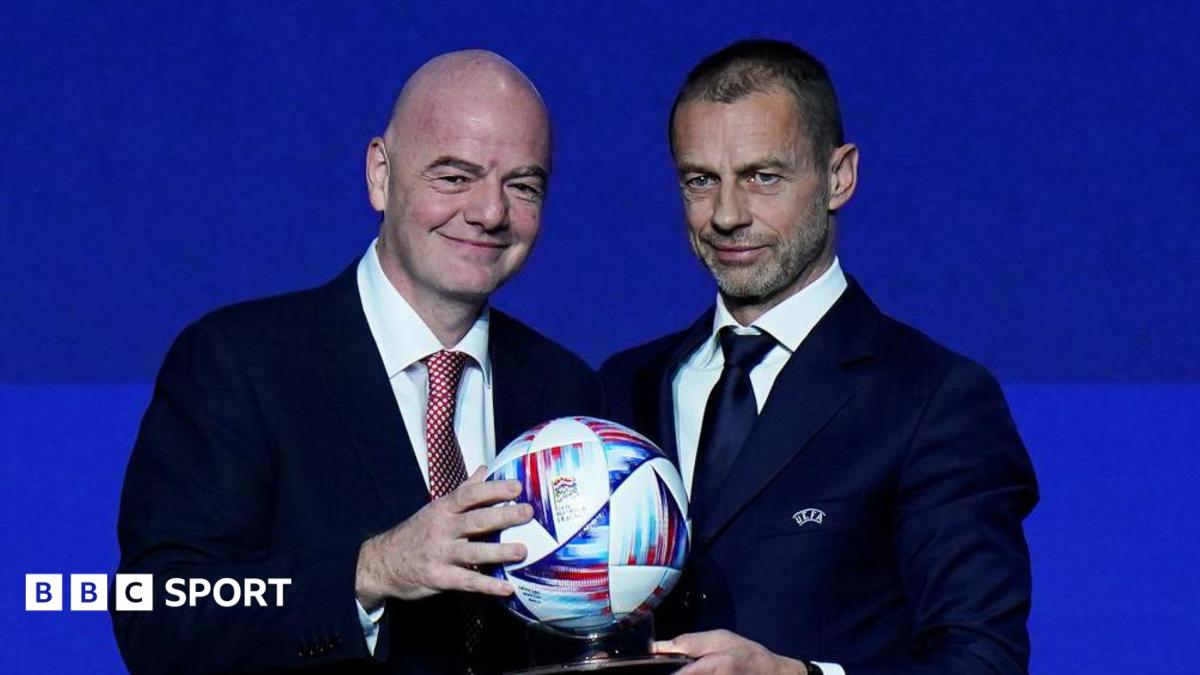
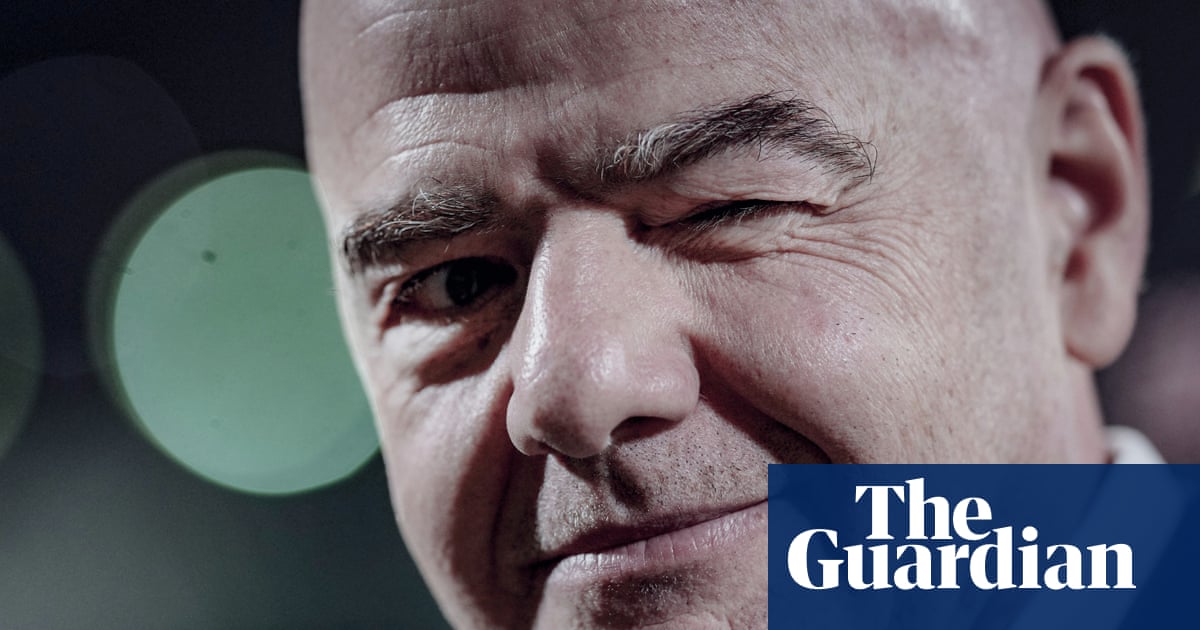
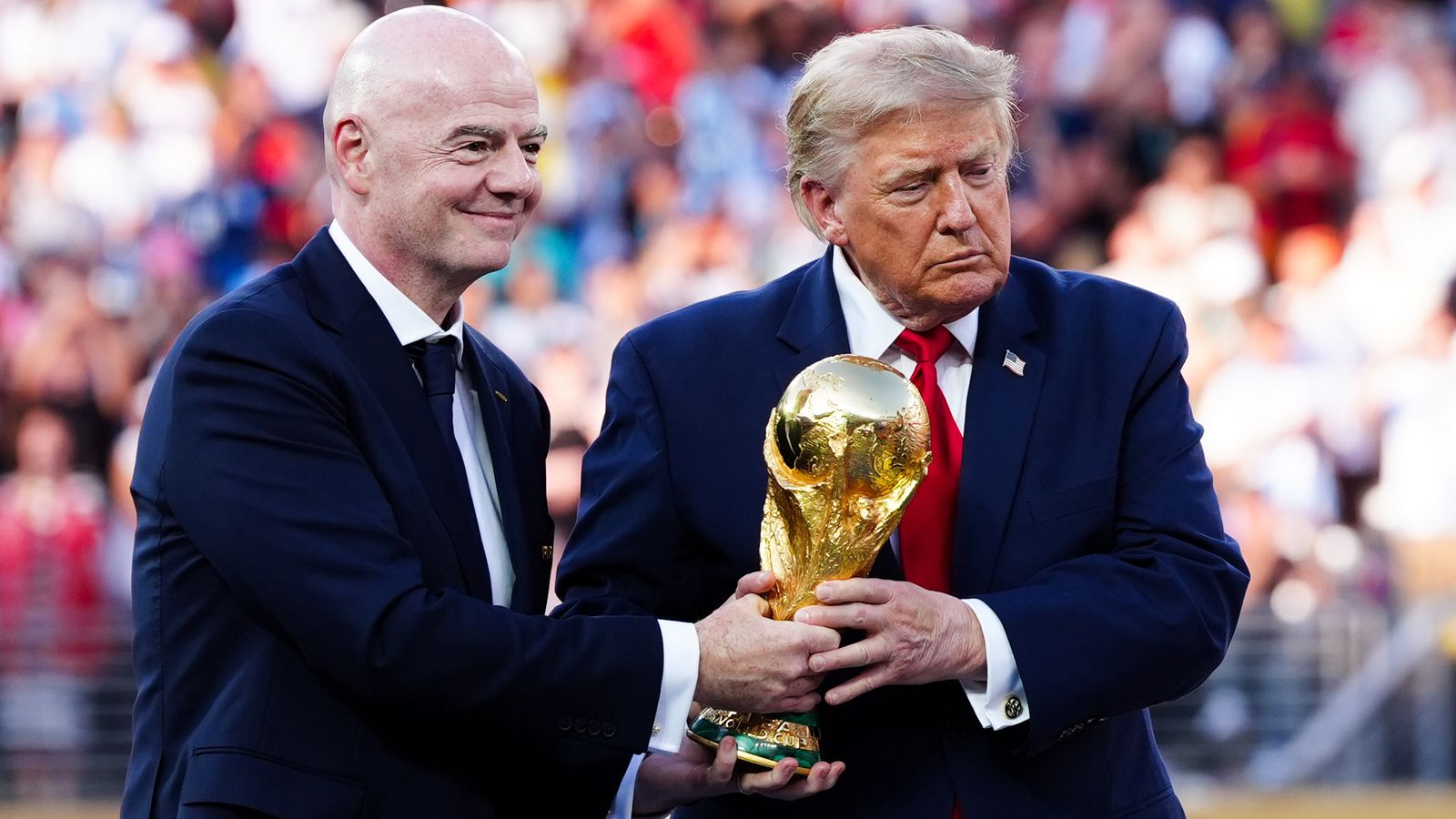
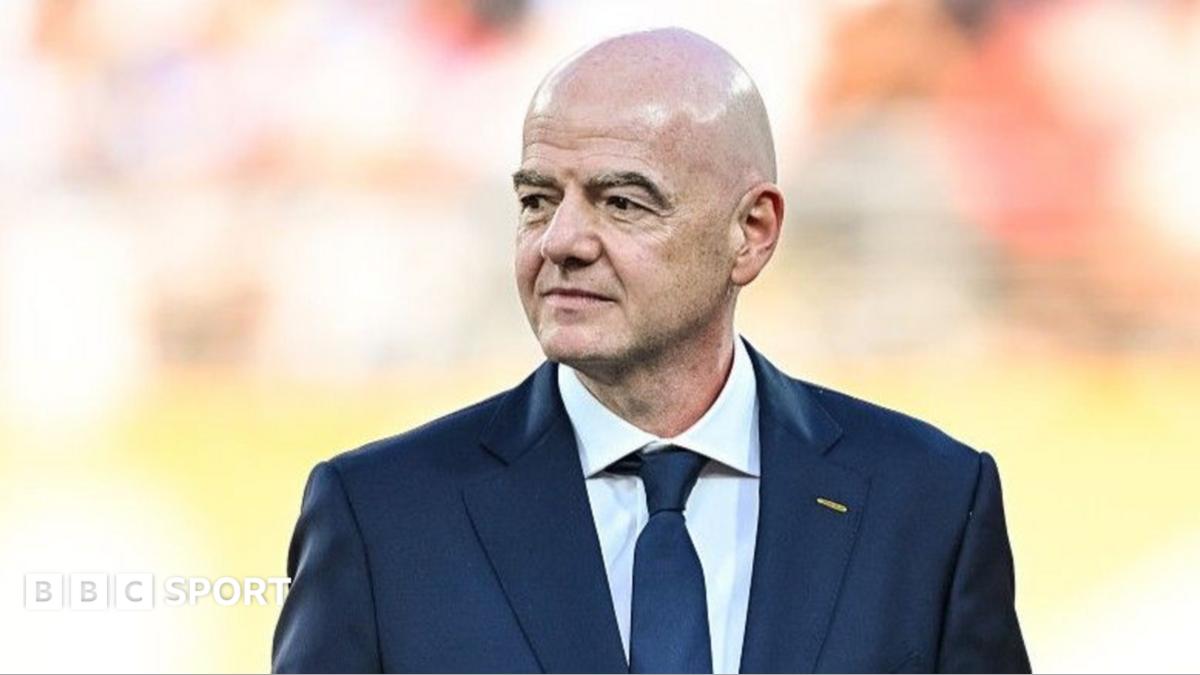
Gianni Infantino spent four days trying to convince the world that selling off stakes in FIFA competitions was a visionary move. By the time the dust settled, the plan had unraveled entirely, leaving the organization’s leadership looking detached from the realities of the game. As BBC Sport reported, the attempt to monetize broadcast rights and tournament equity hit a wall of internal resistance that simply wouldn't budge.
This was never about football development. It was about liquidity. Infantino wanted to create a financial buffer that bypassed traditional confederation oversight, but he miscalculated the appetite for corporate intrusion into the sport’s most valuable assets. The lack of support from key stakeholders wasn't just a bump in the road; it was a total failure of political maneuvering.
Tactical overreach on the global stage
Infantino operates with a belief that the presidency allows him to force shifts in how football is governed. However, the rejection of his proposal serves as a correction from the member associations who still hold the keys to the kingdom. He pushed for a centralized model that prioritized capital over the established broadcast rights holders.
The pushback was inevitable given the scale of the proposed changes. When you attempt to fundamentally alter how the World Cup is financed, you aren't just changing a contract—you are threatening the existing income streams for continental bodies. The math just didn't add up for those who value their seat at the table over a quick cash infusion.
The cost of executive isolation
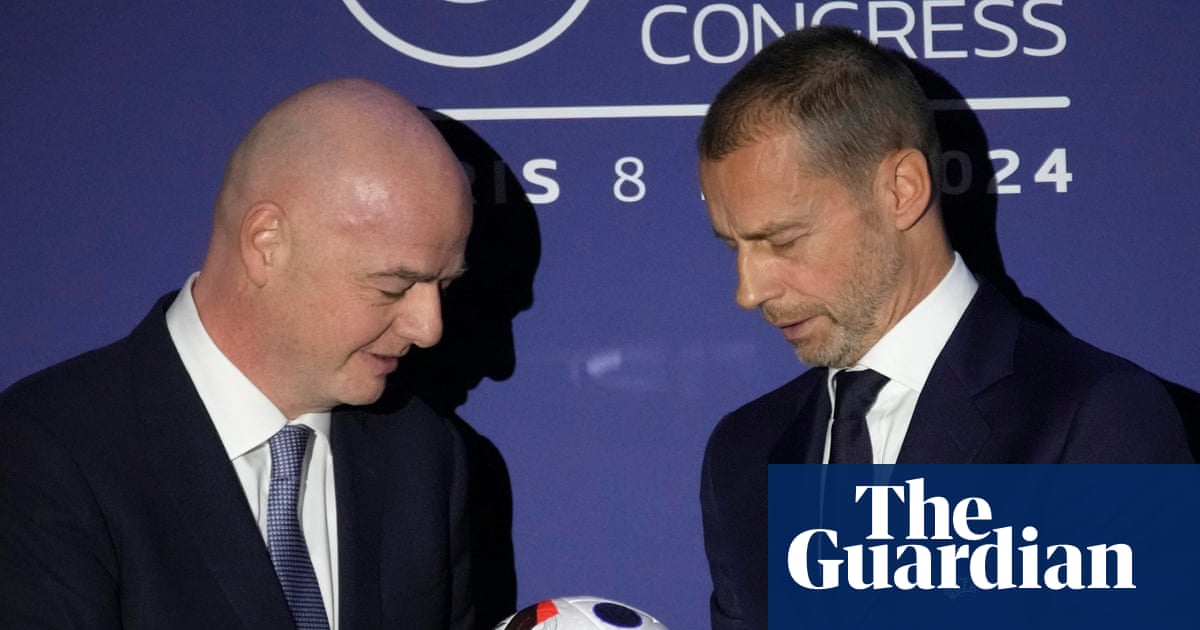
There is a recurring issue within the current FIFA administration: the distance between the Zurich offices and the reality of national federations. The proposal lacked the necessary buy-in from the start, functioning more like a corporate acquisition strategy than a dialogue with the sport's stakeholders. By the fifth day of these negotiations, the writing was on the wall.
We have to ask who is left to champion these ideas if even the most loyal allies are backing away. The internal friction is now public, and the reputational damage is significant. When your core leadership team cannot keep a unified front during high-stakes negotiations, you have to wonder if the vision itself is compromised.
The fallout for the coming season
I predict that this rejection will force Infantino into a defensive posture for the remainder of the calendar year. He will likely pivot toward smaller, less controversial initiatives to regain some semblance of control. Don't expect any major financial restructuring proposals until at least the mid-2027 cycle, as the political capital for such moves has been entirely burned.
Ultimately, this entire episode was a lesson in ego-driven governance. Infantino pushed too hard, ignored the feedback loops, and ended up with nothing to show for his efforts. The sport survives this round of corporate meddling, but the divide between the president and the membership has never been clearer. Keep an eye on the next executive committee meeting—that is where the real damage assessment will happen.