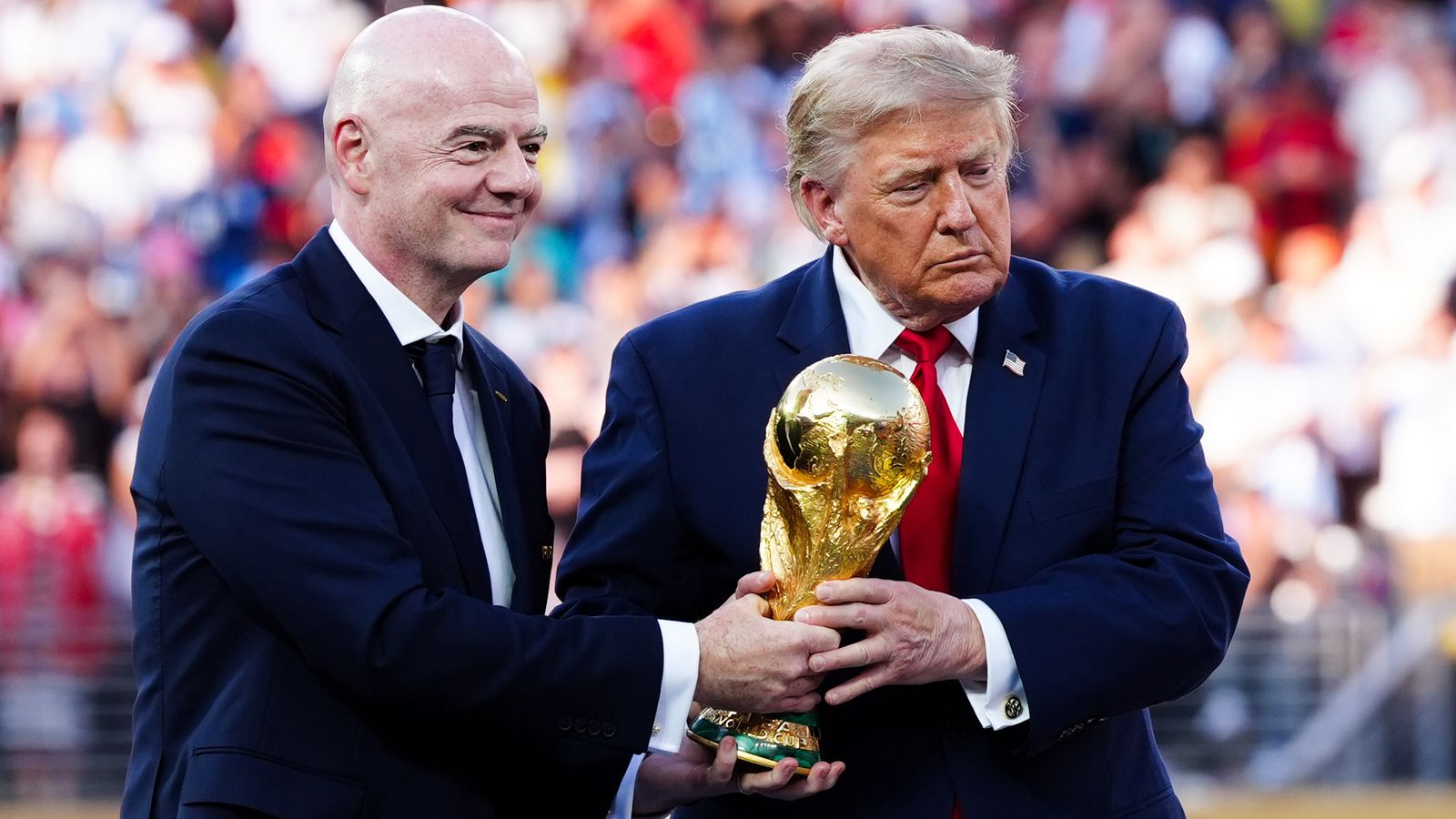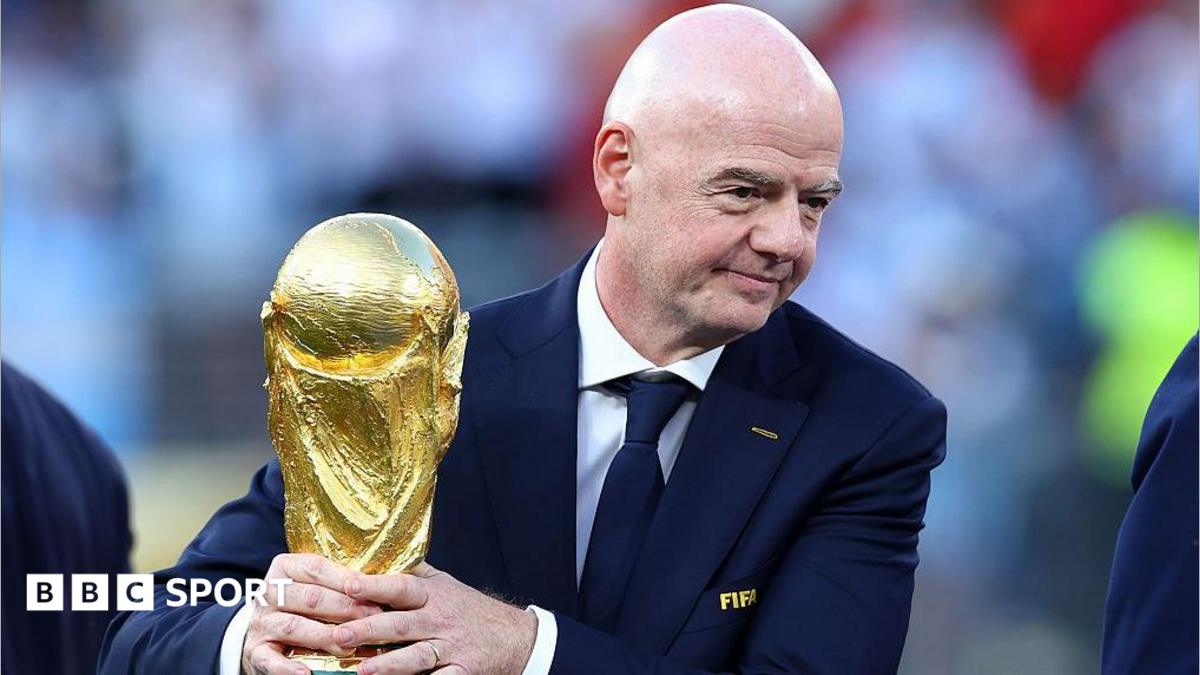
The politics of the FIFA presidency
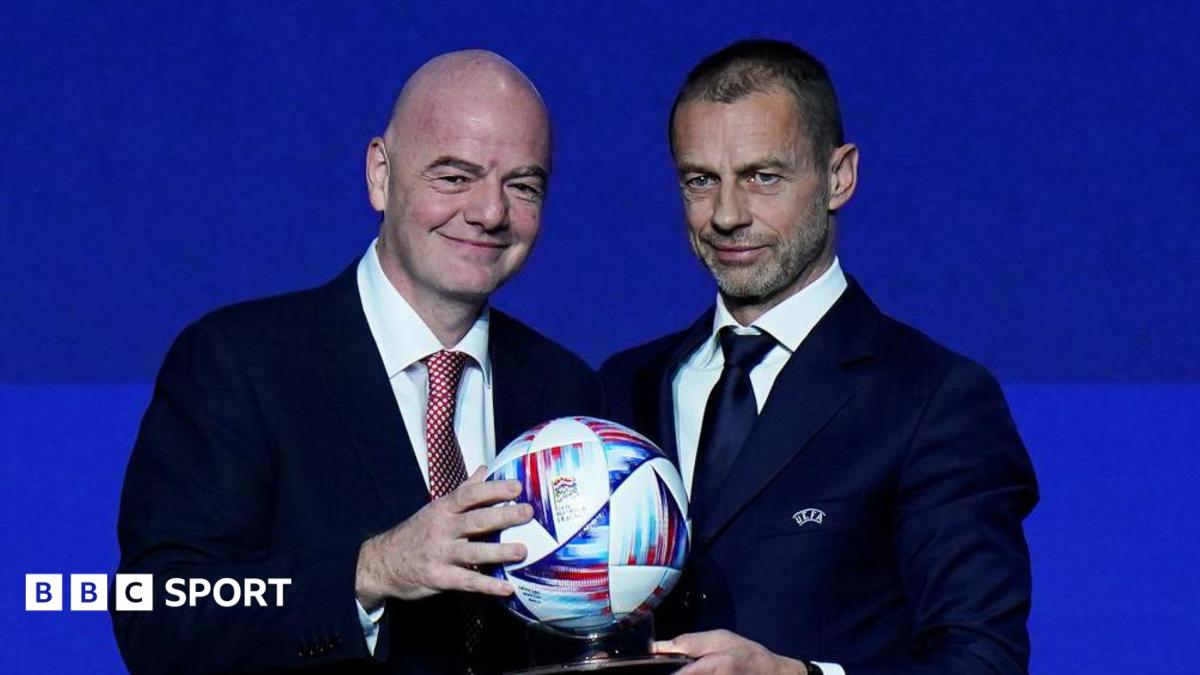
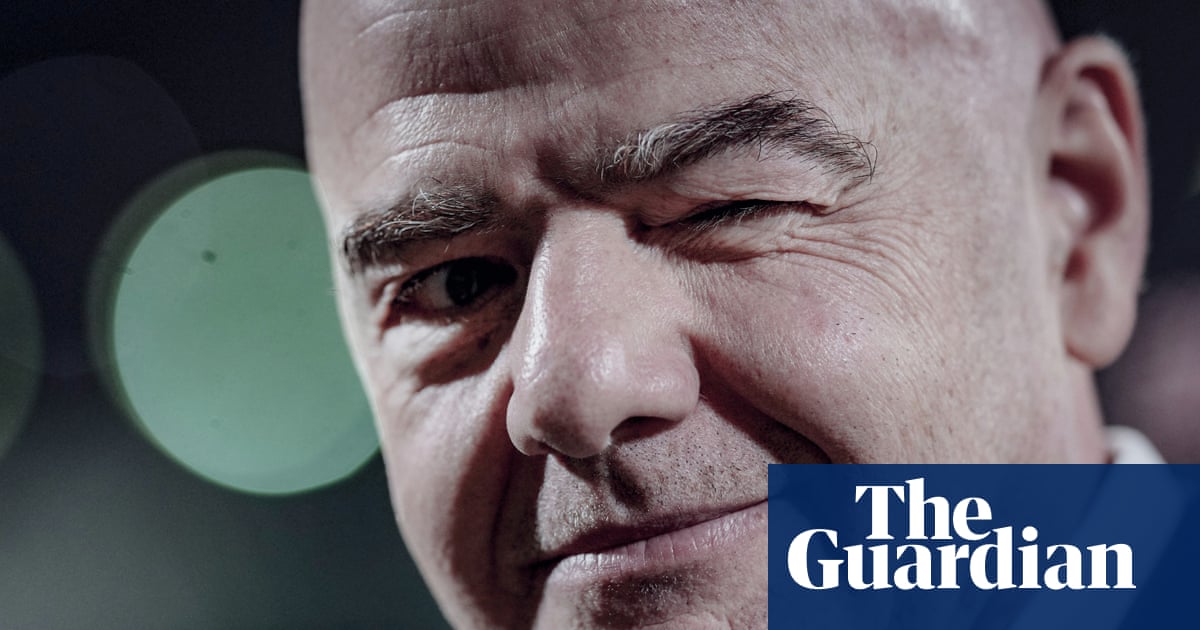
Gianni Infantino arrived in Zurich promising a new dawn for football governance. He spoke of transparency, financial reform, and the end of the Sepp Blatter era. Six years later, the stench of internal scandal has returned with a familiar intensity. As reported by the BBC, the pressure on his administration has reached a breaking point following a series of bruising internal developments.
This isn't about the game on the pitch. This is about the accumulation of power within the FIFA executive suite. When Infantino first took the chair, he secured support through promises of expanded tournaments and increased funding for member associations. The strategy was simple: buy peace through redistribution.
The math of institutional failure
The current instability stems from a disconnect between rhetoric and reality. Infantino has frequently deflected questions regarding ethical oversight by pointing to record-breaking revenue figures. However, the optics of these recent controversies are failing to hide the underlying structural rot.
Consider the decision-making process during the last council meeting. Decisions were pushed through without the necessary consensus from regional federations. This is a classic autocrat move, designed to minimize friction at the cost of long-term legitimacy. When you bypass the democratic mechanisms that underpin your own charter, you invite rebellion.
The lack of transparency regarding internal investigations is another glaring failure. If FIFA is as clean as the brochures suggest, the logs should be open. Instead, we see a shuttering of information. This refusal to engage with critics reminds me of a manager who refuses to adjust his tactical shape even when the opposition has clearly identified his team's defensive gaps.
Predicting the end of the cycle
Infantino is now operating on borrowed time. His survival has always been contingent on his ability to keep the smaller federations satisfied while holding the European contingent at arm's length. The math is shifting against him.
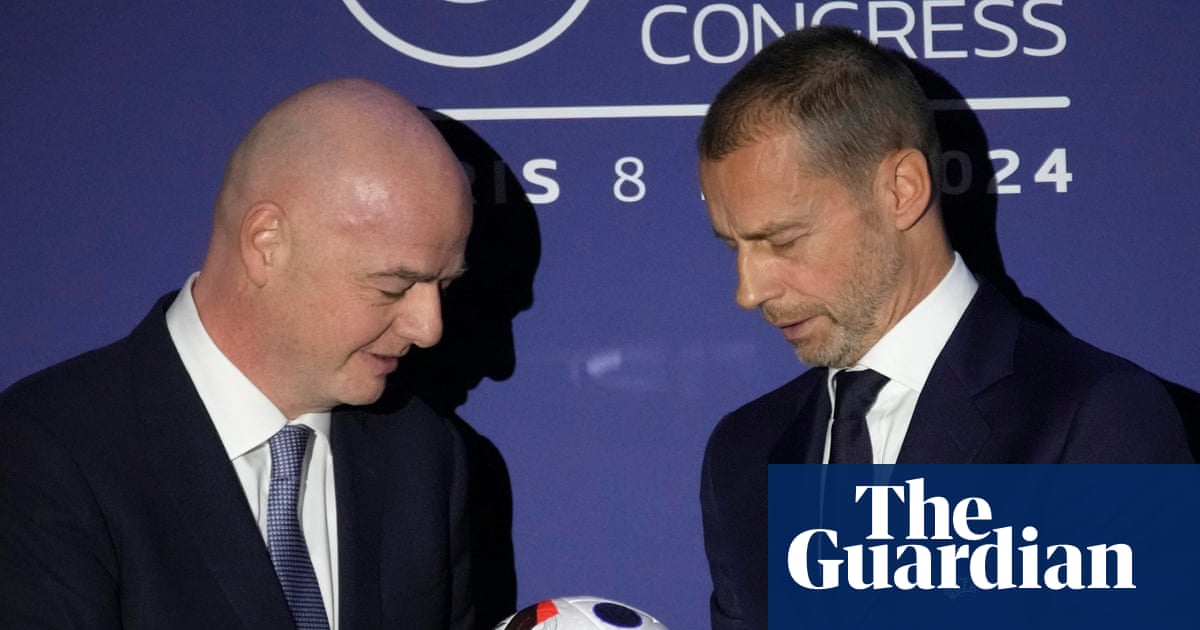
European football authorities are growing impatient with the erratic nature of the international calendar. The proposed scheduling changes are a tactical disaster that ignores the physical toll on the players. If these federations form a unified bloc, Infantino will lose his leverage. I predict he will resign before the next general assembly, forced out by a coalition of federations that can no longer ignore the legal liabilities accumulating around his office. He is a tactician who played his final card in the opening minutes of a ninety-minute match, leaving him exposed for the remainder of the fixture.